Saudi Arabia’s $83 Billion Military Misses Attacks on Airports and Oil Sites
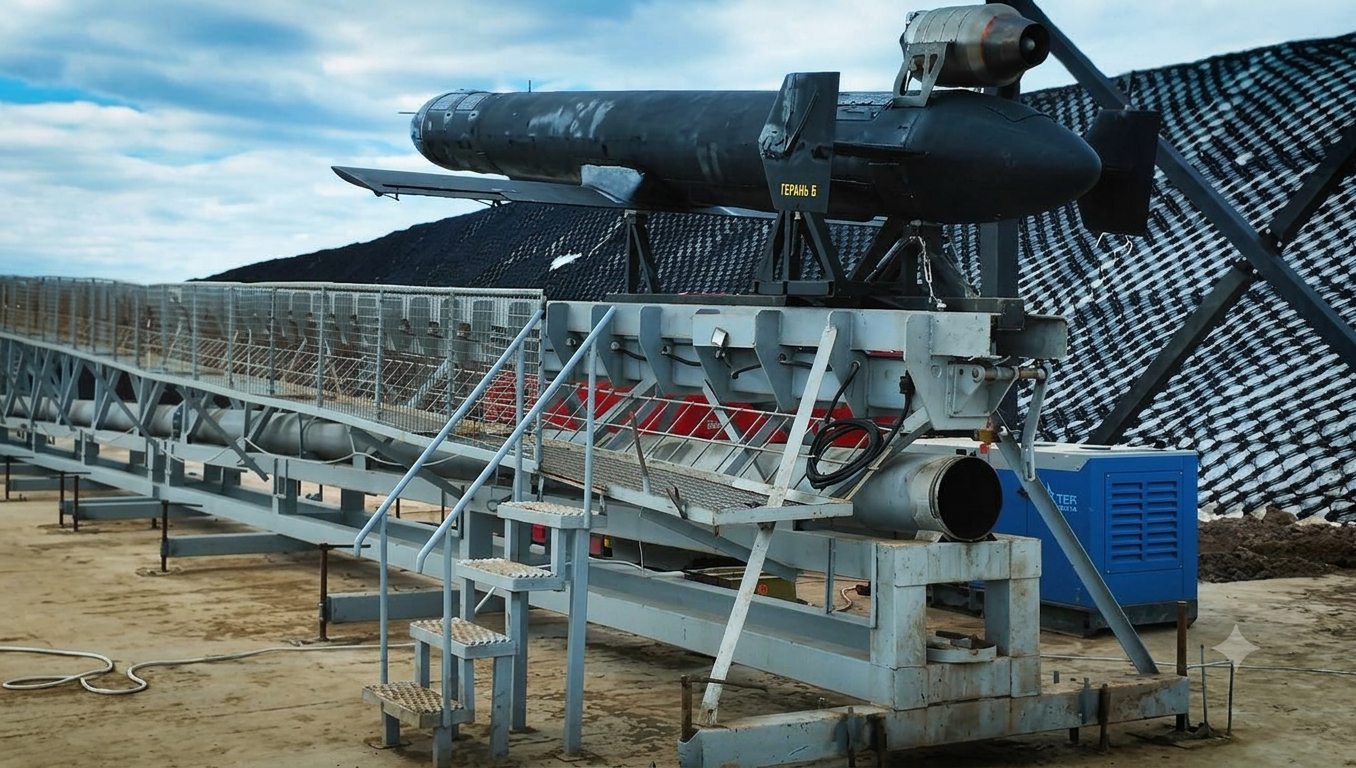
Saudi Arabia spent $83 billion on defense last year, yet Houthi drones and missiles still reached civilian airports and energy infrastructure. Recent attacks killed at least 20 people, including 13 in an Oct. 10 strike at King Khalid Airport in Riyadh. Saudi Aramco’s headquarters was also hit, connecting the air-defense problem directly to infrastructure that helps underpin global energy supplies.
The apparent mismatch one of the world’s largest defense budgets facing comparatively cheap unmanned aircraft does not have a single explanation. Saudi Arabia must protect a large territory containing airports, pipelines, oil facilities, military bases and government sites, while sharing more than 800 miles of border with Yemen. Each additional defended location requires some combination of sensors, communications, trained personnel and interceptors, but no air-defense network can cover every point continuously or stop every incoming weapon.
A vast network changes the defense equation
For Saudi defenses, success requires detecting, tracking and stopping nearly every threat that could cause significant damage. An attacker needs only a small percentage to get through. Thomas Juneau, an associate fellow at Chatham House, described the imbalance bluntly: If the Houthis are able to hit Saudi infrastructure with only a minority of their attempted drone or missile attacks, it counts as a success for them and an embarrassment and a loss for Saudi Arabia.
That asymmetry helps explain why high military spending does not translate into an impenetrable shield. Air defense is a layered engineering problem rather than a single-system purchase. Ballistic missiles, cruise missiles and drones have different flight characteristics, radar signatures and interception requirements. A system optimized for one class of target may be technically capable against another without being the most economical or operationally suitable response.
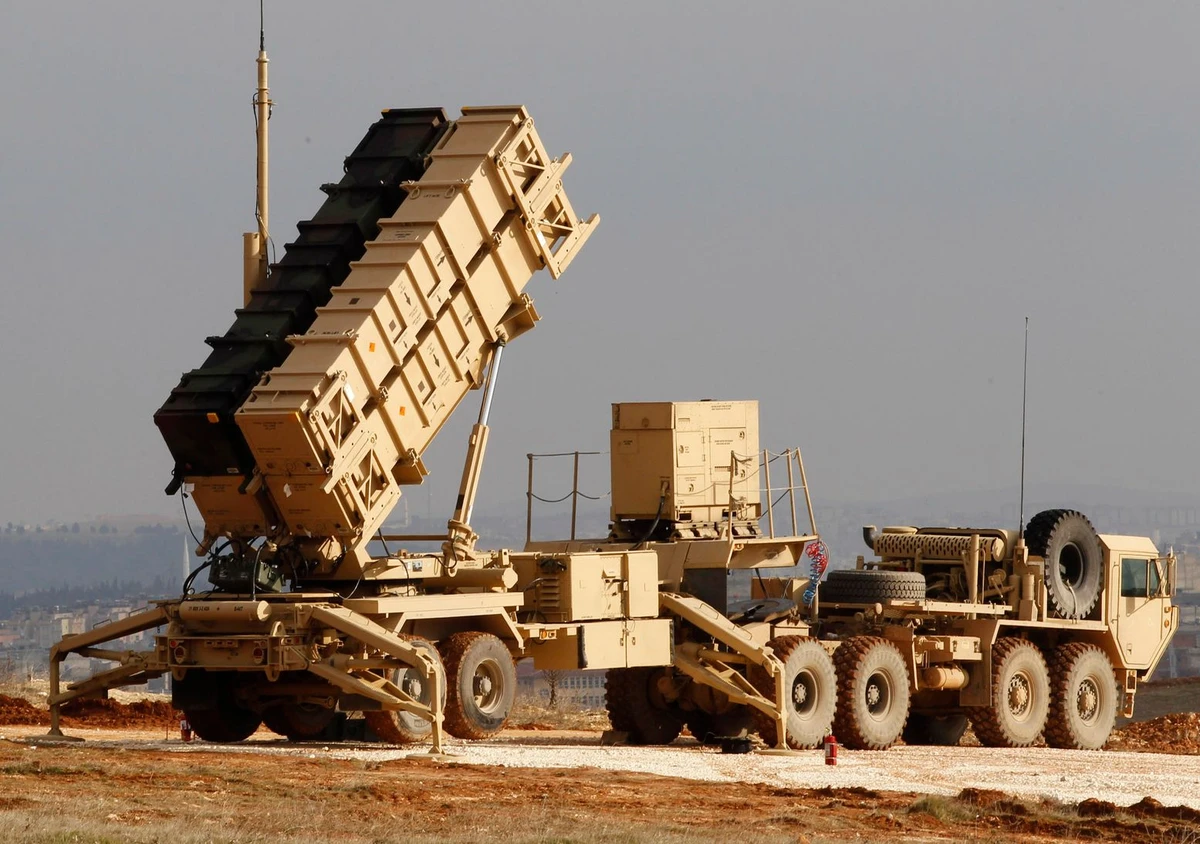
Saudi Arabia operates the U.S.-made Patriot system, whose interceptors were designed principally for ballistic-missile defense. Individual Patriot interceptors can cost as much as $4 million. Using weapons in that price class against inexpensive drones creates an unfavorable cost exchange, particularly when multiple targets arrive together and force defenders to decide how to allocate a limited interceptor inventory.
Inventory depth is consequently as important as the performance of any one missile. Global demand for Patriot interceptors has risen amid wars in Ukraine and the Middle East, putting production and replenishment under pressure. In January 2026, the U.S. State Department approved a possible $9 billion sale of 730 advanced Patriot interceptors and associated support to Saudi Arabia. The official notice described a requested package, with the final quantity and value dependent on a signed agreement.
Cheaper interceptors address only part of the problem
Ukrainian-developed drone interceptors, which cost thousands of dollars to manufacture and are produced in the tens of thousands annually, offer a potentially less expensive response to low-cost unmanned aircraft. Saudi Arabia and some neighboring countries have made deals with Ukraine to acquire drone-interceptor systems. Their lower unit cost could preserve more expensive missiles for threats that demand them.
Lower-cost hardware does not eliminate the integration burden. Drone interceptors require skilled operators and training, while any layered network must combine sensor data, command decisions and weapons quickly enough to engage different threats. Saudi Arabia is also receiving support involving foreign personnel, aircraft, radars and interception systems. Pakistan confirmed a troop deployment, Turkey was working toward sending forces, France agreed to provide unspecified military means, the United Kingdom announced defensive counter-air missions, and Greece has operated a Patriot battery in Yanbu since 2021.
That assistance adds capacity, but it can also produce a patchwork of equipment, procedures and command relationships. Readiness depends on whether those elements exchange information reliably and whether crews are trained to make consistent decisions under time pressure. Spending buys systems and supplies; it does not automatically produce seamless interoperability across several national forces.
Air-defense misses can reach fuel consumers
The consequences extend beyond the damaged facility. The International Energy Agency reported that September drone attacks on Saudi Arabia’s East-West crude pipeline temporarily suspended flows before Saudi Arabia repaired and reopened it within days. The disruption contributed to tighter tanker availability and higher transport costs. By mid-October, shipping crude from the Middle East Gulf to Asia cost more than $37 per barrel over five times its prewar level according to the IEA’s analysis of oil-shipping costs.
Saudi authorities continue to announce successful interceptions, including five ballistic missiles and drones destroyed on one Wednesday. The unresolved issue is endurance: the size of the Houthi weapons stockpile is unclear, while Saudi Arabia must keep sensors, crews and interceptor inventories ready across an extensive infrastructure network. Even a minority of attacks getting through can close an airport, interrupt an oil route or add costs that travel through the global fuel supply chain.
| More aerospace and engineering stories, right in your MSN feed. Follow AMI on MSN |
By Stephen Wallace — Editor for AMI’s aerospace integration and unmanned mobility coverage, focused on drone manufacturing, VTOL systems, autonomous networks, and air-ground mobility links.