


Ukraine Says U.S. Delivered Just 24 Patriot Interceptors in 90 Days
Twenty-four missiles in 90 days: That is the full measure Ukrainian President Volodymyr Zelenskyy gave for recent U.S. deliveries of Patriot air-defense interceptors. In an ABC News interview, he said Ukraine had received that number from its strategic partner but needed substantially more.

The figure offers a rare, concrete view of Ukraine’s replenishment problem, though it remains an attributed total rather than an independently verified delivery record. Zelenskyy did not identify the interceptor variant, disclose how many missiles Ukraine requested or quantify the remaining shortage. Those omissions prevent a direct calculation of how long the delivered inventory might last.
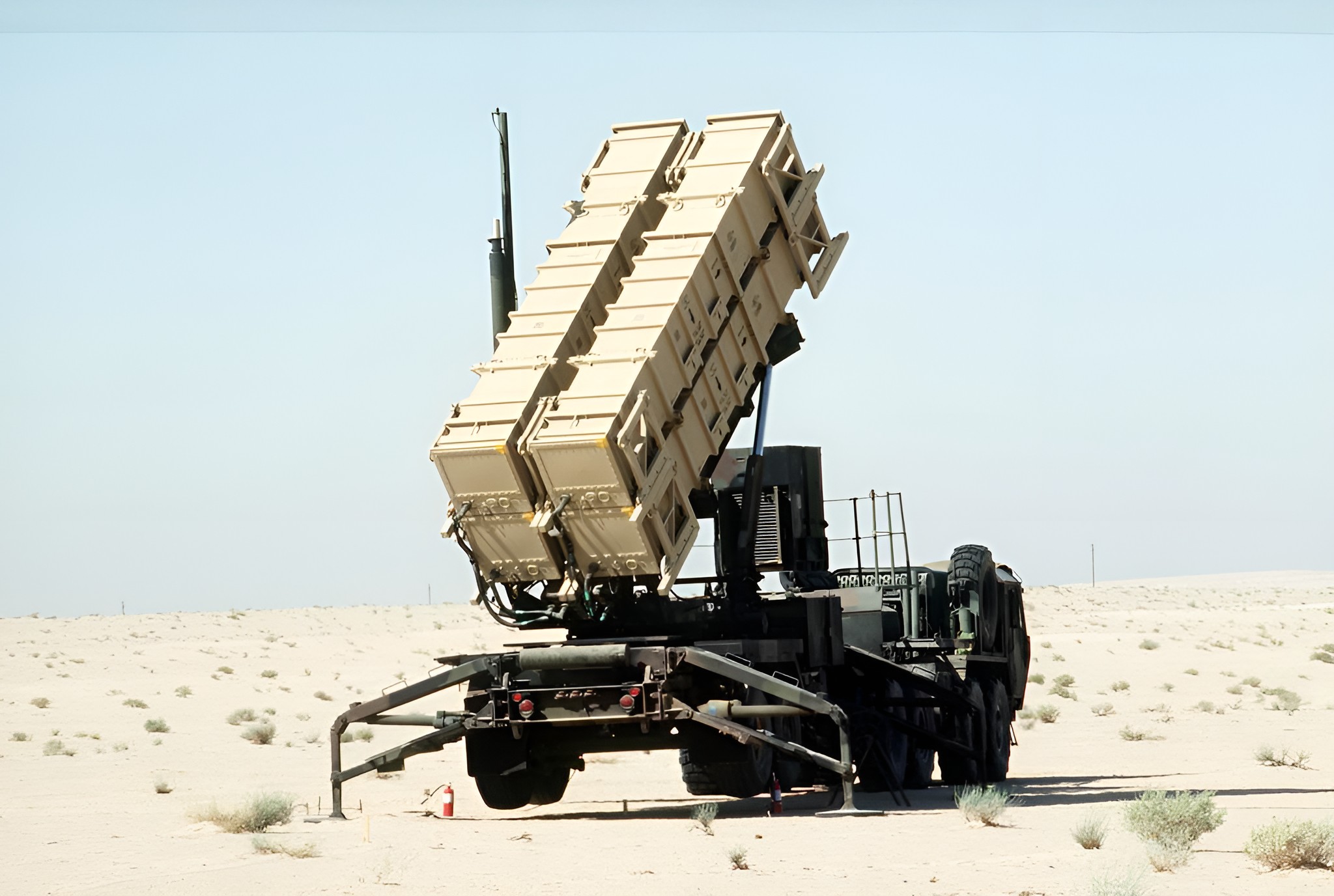
Patriot is more than a missile launcher. The Congressional Research Service describes it as a mobile, ground-based system built around radar, an engagement-control station, launchers and interceptor missiles. It is designed to detect, track and engage several categories of airborne threats, with different interceptor variants intended for different missions.
That variant question is important when interpreting the number 24. Patriot uses a family of missiles rather than one interchangeable round. The older PAC-2 Guidance Enhanced Missile uses a blast-fragmentation approach, while the smaller PAC-3 family uses hit to kill technology and is designed with ballistic-missile defense in mind. Without knowing the mix, the delivery figure indicates quantity but not the precise defensive capacity Ukraine received.
A replenishment rate, not a complete readiness picture
Twenty-four interceptors over 90 days averages eight per month. That arithmetic provides a supply rate, but it does not reveal Ukraine’s inventory, expenditure rate, launcher availability or allocation decisions. It also cannot be translated responsibly into a number of attacks that could be addressed, because engagements and interceptor selection depend on the threat and operational circumstances.
What the number does show is the difference between owning Patriot equipment and sustaining it. Radar, launchers and trained crews provide little continuing value without a compatible flow of missiles. Each interceptor is consumed when fired, turning manufacturing, inventories, approvals and transport into recurring readiness constraints rather than one-time acquisition issues.
The production side offers little prospect of an immediate fix. Lockheed Martin officials told PBS News that a Patriot missile can take more than a year to manufacture and may cost an estimated $3 million to $4 million. The company is expanding facilities, its workforce and supplier arrangements, with an ambition to raise overall annual output from a historical level of about 400 to as many as 2,000 by 2030.
That planned increase is significant, but the end date illustrates the industrial lag. Factories cannot instantly convert higher demand into completed interceptors. Suppliers must deliver specialized components, facilities must expand, workers must be trained and finished missiles still have to be distributed among U.S. and allied requirements. The 2,000 figure also describes total production, not a dedicated allocation for Ukraine.
European transfers remain unresolved
The interview also left uncertainty around proposed transfers from European inventories. Asked whether the United States had stopped European countries from sending interceptors, Zelenskyy replied, “Not stopped, but didn’t signed.” He did not identify the missing signature, document, affected countries or number of missiles awaiting authorization.
A separate account reported that Ukraine had been waiting for U.S. approval to procure Patriot and other air-defense interceptors through a NATO-backed purchasing initiative. A senior Pentagon official said there had been no policy change affecting capabilities that European governments could provide and that the initiative continued unaltered. The number of interceptors involved and the reason for the reported delay remained unclear.
Europe’s ability to bridge the gap from existing stocks also appears limited. EU foreign policy chief Kaja Kallas said no government had made a new pledge under a proposal for countries to donate missiles now and receive replacements financed later. That leaves three different constraints operating on different clocks: political approval, willingness to release existing inventory and the time required to manufacture replacements.
Zelenskyy’s 24-missile disclosure therefore supplies a measurable delivery rate, not a complete account of Ukraine’s Patriot position. The next meaningful milestone will be confirmation of additional transfers especially their quantity, interceptor type and approval status while expanded production remains a longer-term answer scheduled to develop through 2030.
| More aerospace and engineering stories, right in your MSN feed. Follow AMI on MSN |
By David Whitaker — Associate editor for AMI’s aerospace and drone systems desk, translating flight systems, aircraft programs, spaceflight, and UAV developments into accessible technical stories.



