


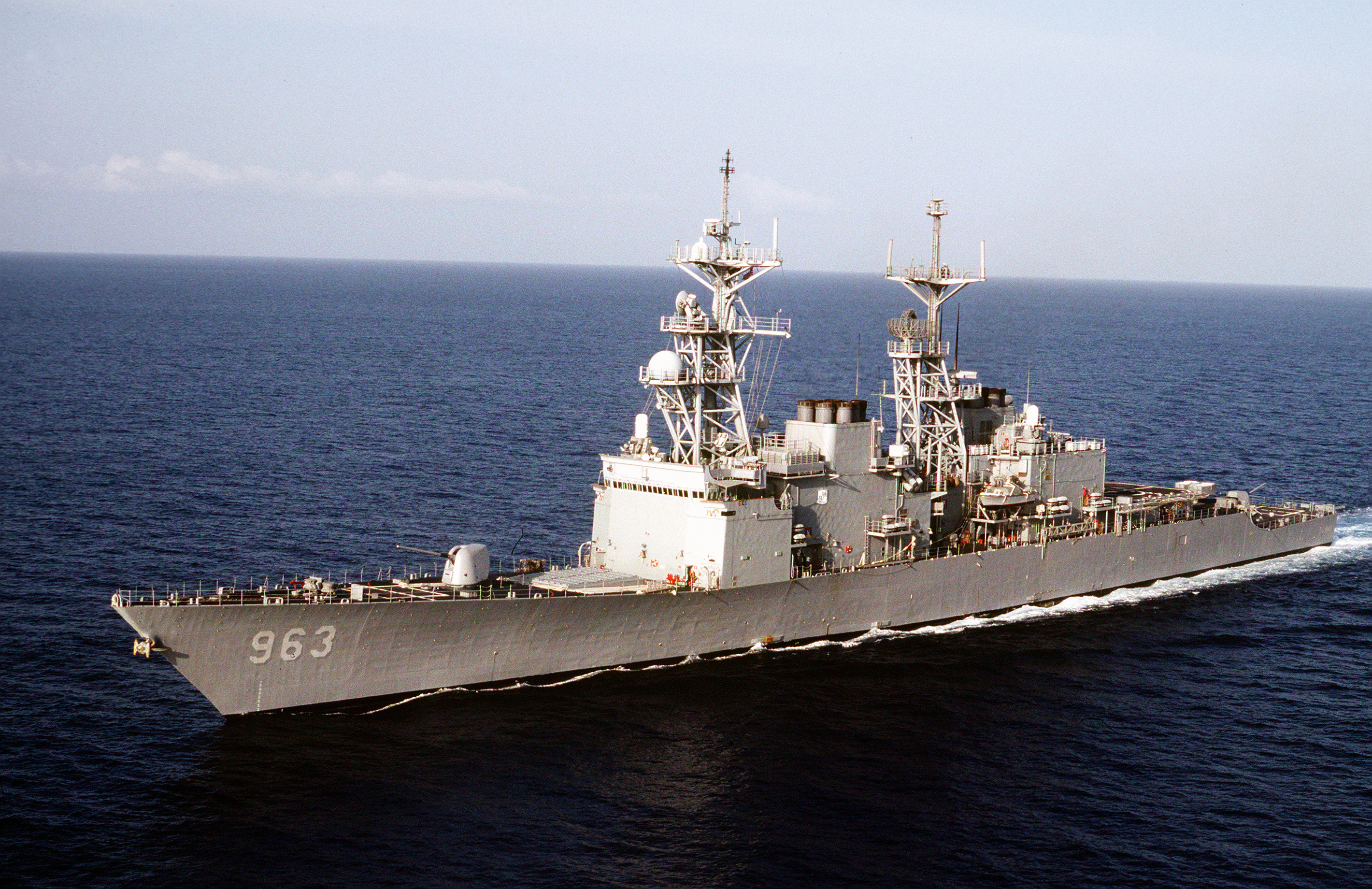
USS Spruance Reaches 339 Deployed Days With No Firm Return Date
Three hundred thirty-nine days after leaving San Diego, the guided-missile destroyer USS Spruance remains deployed without a firm homecoming date. The ongoing assignment is reportedly the longest deployment by a U.S. destroyer since World War II, extending a seven-month expectation into a separation approaching one year for roughly 320 to 330 sailors and their families.

The Navy has not announced an arrival date, although Spruance is expected back in San Diego sometime in November. The ship departed Naval Base San Diego in November 2025, and its deployment was later extended as operational demand increased following the start of the U.S. war with Iran in February.
The 339-day figure is exceptional by the standards the Navy has tried to build into its modern readiness system. In recent decades, deployments have generally lasted six or seven months. The Navy’s Optimized Fleet Response Plan organizes maintenance, training, evaluations and one eight-month deployment within a 36-month cycle. Its stated goals include predictable schedules for sailors and enough prepared ships to respond when demand rises.
Spruance has now spent about five months longer away than its crew initially expected. That gap is more than a scheduling inconvenience. A ship’s operating cycle also governs when equipment can receive deeper maintenance, when crews can reset and train, and when the vessel can begin preparing for its next assignment.
Long deployments consume time from somewhere else
Destroyers are designed to remain at sea for extended periods, supported by regular inspections, preventive work and repairs performed by their crews. But deployment endurance and long-term fleet availability are different measures. More time assigned overseas can mean less flexibility for major work that requires a shipyard, specialized technicians or equipment unavailable aboard the ship.
Maintenance does not automatically disappear when a deployment grows. It can be rescheduled, divided into smaller work packages or pushed into later availability periods. Each option creates pressure elsewhere: a longer post-deployment maintenance period can reduce near-term availability, while compressed work can place greater demands on shipyards, suppliers and Navy maintenance personnel.
Personnel endurance follows a similar pattern. The immediate burden falls on the sailors aboard and their families, but the readiness effects extend into the next cycle. Leave, reassignment, training and crew turnover all must be managed around the ship’s delayed return. Predictability is particularly important because families plan housing, child care and employment around the dates they are given.
Spruance is not an isolated case. USS McFaul recently returned to Norfolk after 332 or 333 days, depending on the published account. The aircraft carrier USS Abraham Lincoln returned to Naval Station North Island on Oct. 8 after a deployment reported as 321 or 322 days. USS John Finn, meanwhile, has reportedly had its assignment extended to 14 months.
A Navy official told families that ship deployments and patrols could last 10 to 12 months for the foreseeable future, according to Defense One. Chief of Naval Operations Adm. Daryl Caudle has also told sailors and families to expect longer deployments until the Navy grows.
A fleet-capacity problem measured in time
The Navy’s battle force stands at about 290 warships, down from 295 two years ago. Ship count alone does not determine how many vessels can deploy: some are always undergoing maintenance, training, modernization or repair. When demand for forward presence exceeds the number of ready ships, extending vessels already overseas can preserve immediate coverage without waiting for a replacement to complete its own preparation cycle.
That approach purchases operating time now by increasing pressure on later schedules. U.S. Fleet Forces commander Adm. Karl Thomas has said the traditional naval maintenance model is no longer viable under the current high-demand environment. The practical challenge is therefore not whether an individual destroyer can remain deployed for nearly a year, but how often the fleet can repeat such extensions without steadily reducing schedule predictability and maintenance flexibility.
Spruance may return in November, but its precise arrival remains unannounced. Until the destroyer reaches San Diego, 339 days will continue to rise and a deployment planned for about seven months will remain a visible measure of how far operational demand has moved beyond the Navy’s intended rotation model.
| More aerospace and engineering stories, right in your MSN feed. Follow AMI on MSN |
By David Whitaker — Associate editor for AMI’s aerospace and drone systems desk, translating flight systems, aircraft programs, spaceflight, and UAV developments into accessible technical stories.



