


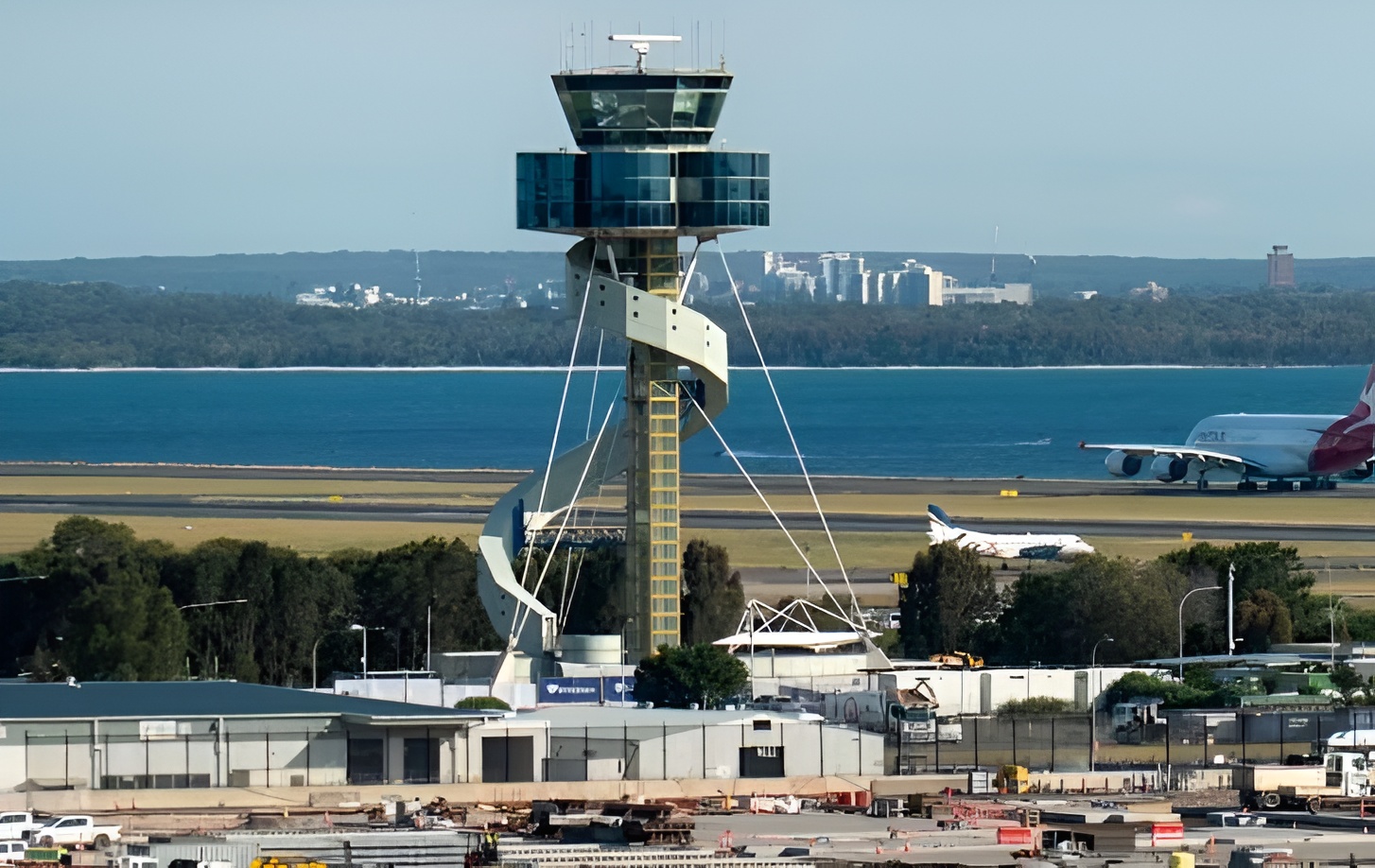
NATS Fixes Prestwick Fault After Hundreds of UK Flight Delays
National Air Traffic Services has fixed a technical fault at its Prestwick air traffic control centre after restricted airspace capacity disrupted hundreds of flights across the UK. The September 21 failure affected Northern and Central England, Scotland and Northern Ireland, leaving passengers with cancellations and lengthy delays even after the system began returning to service.
During the outage, NATS said flights heading north and those departing Scottish airports were subject to delays, while airports south of Manchester were broadly unaffected. Manchester, Belfast International, Edinburgh and George Best Belfast City were among the airports reporting the heaviest disruption on Monday morning.
Ryanair said more than 25,000 of its passengers were affected and over 140 of its flights delayed. At Manchester Airport, at least 85 flights were delayed by more than 20 minutes, while Liverpool John Lennon Airport recorded eight delays. Glasgow, Luton and London City also reported effects, and Highlands and Islands Airports Limited said schedules were disrupted across all the airports it operates, including Dundee, Inverness and Islay.
NATS later announced: The issue in our Prestwick centre is now fixed. We are working with airports and airlines to safely lift air traffic regulations as quickly as we can to minimise any further disruption.Transport Secretary Heidi Alexander said systems were resuming but warned that delays could persist while operations reset.
Why disruption continued after the repair
Restoring the affected equipment did not immediately restore the flight network. When an air traffic control system cannot support its normal traffic volume, flow restrictions reduce the number of aircraft entering the affected airspace. That preserves safe separation and keeps controller workload within the available system capacity, but it also holds aircraft on the ground or delays them elsewhere in the network.
Those restrictions can leave aircraft, crews and airport departure slots out of sequence. An aircraft delayed on one sector may arrive too late to operate its next flight, while crew working-time limits and scarce replacement capacity can turn an initial delay into a cancellation. AGS Airports, which operates Glasgow Airport, warned that such knock-on effects could continue after the technical problem had been resolved.
European network data later showed the wider operational weight of the event. In Week 39, air traffic control disruption associated with the September 21 UK failure accounted for 9% of European en-route air traffic flow-management delays. Prestwick contributed an average of 1.5 minutes of en-route delay per flight, among the highest figures recorded for European control centres that week.
Different fault, broader resilience review
NATS said the Prestwick problem was unrelated to a separate failure two weeks earlier at its Swanwick centre. The Prestwick event was described as a connectivity fault affecting a flight-data processing system, although the underlying technical cause was not publicly identified in the available account.
The earlier September 8 failure delayed, cancelled or diverted more than 2,000 flights. NATS traced that incident to a software defect in flight-data processing and introduced an interim mitigation while a permanent correction underwent safety testing. The two events had different stated causes, but their proximity intensified scrutiny of the resilience and recovery arrangements supporting UK air traffic management.
Ryanair, EasyJet, British Airways and Jet2 all criticised NATS’ resilience. Ryanair called for NATS chief executive Martin Rolfe to resign, while Jet2 said it would bill the organisation for disruption. Those responses establish the airlines’ dissatisfaction, rather than an engineering diagnosis of the Prestwick failure or its backup systems.
The Civil Aviation Authority will consider both September events in an independent review covering system resilience, business continuity, capital investment, modernisation and regulatory oversight. The government has confirmed that the review includes the separate Prestwick issue, as well as the September 8 outage that initially triggered it.
The review will assess whether critical systems are being renewed adequately, whether contingency arrangements can support equipment still in service and whether NATS has the skills and capacity to deliver its modernisation plans. It will also examine the implementation of 34 recommendations made after the major UK flight-planning failure in August 2023.
An initial report is due by the end of January 2027, followed by a final report to the Transport Secretary by March 8. Its central systems question extends beyond whether Prestwick was repaired: how much airspace capacity can the network preserve when one critical centre loses part of its normal capability, and how quickly can airlines recover after restrictions are removed?
| More aerospace and engineering stories, right in your MSN feed. Follow AMI on MSN |
By Thomas Caldwell — AMI’s senior editor for mechanical and mobility engineering, covering vehicle electronics, systems integration, electrification, chassis systems, propulsion, and safety policy.



