Unserviceable Boeing 737 Engines Sell for $7 Million Amid Cargo Squeeze
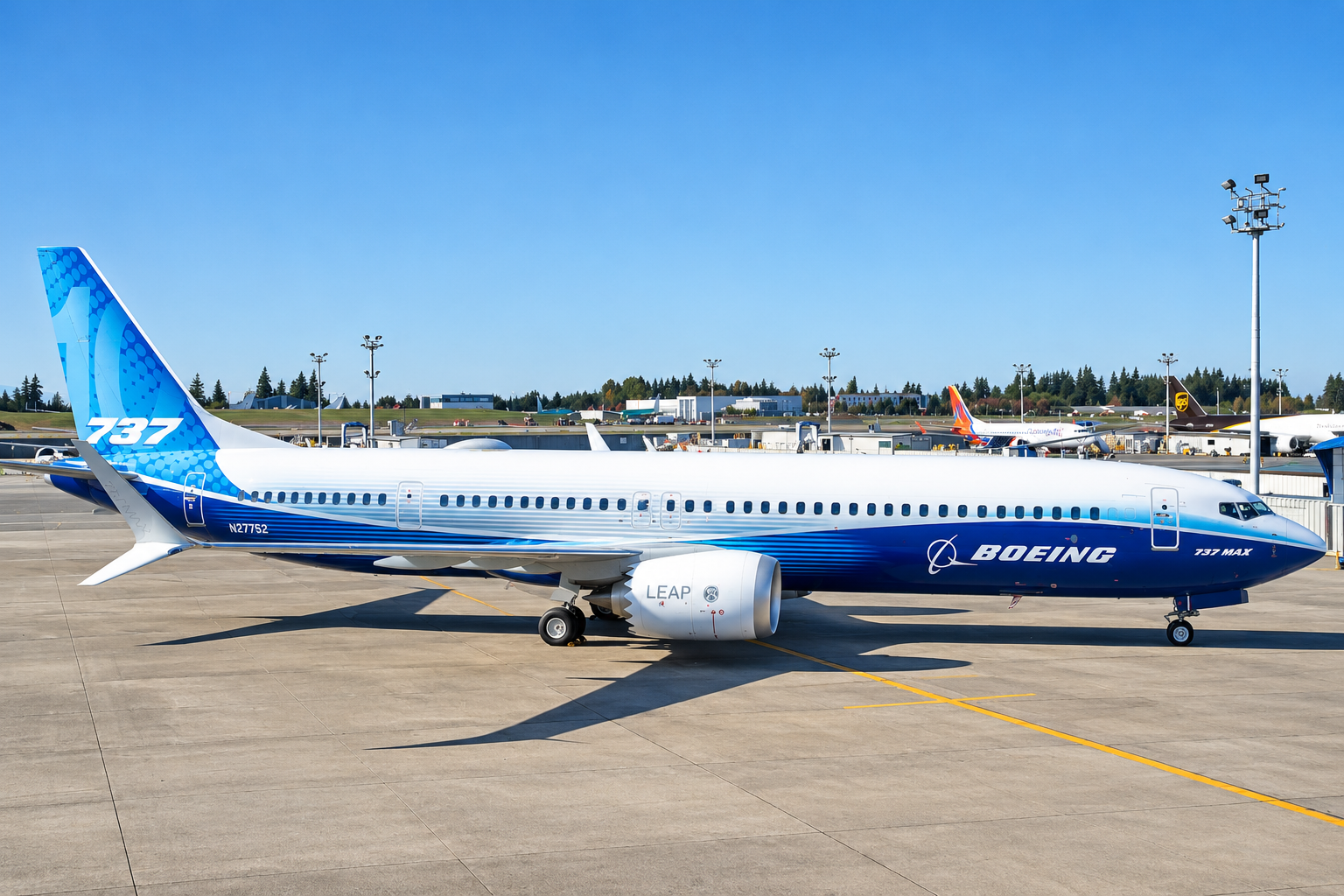
An engine unable to fly would ordinarily appear to be a liability. In today’s constrained air-cargo market, however, unserviceable CFM International CFM56-7B engines used on Boeing 737 Next Generation aircraft have recently sold for $7 million, according to Cirium Ascend valuations chief George Dimitroff.
The price captures a wider tension in commercial aviation: freight demand is rising faster than available capacity, but adding freighters requires access to scarce aircraft, usable engines, replacement parts and maintenance shops. August 2026 air-cargo demand increased 4.4% from a year earlier while capacity declined 0.1%, according to IATA’s monthly market data. Pooja Gardemal, managing director of BK Associates, described cargo demand as outpacing cargo capacity.
The engine can outweigh the airframe economics
A $7 million unserviceable engine is not necessarily being valued as a complete propulsion system ready to return to service. Its remaining modules and life-limited parts can carry substantial value because other operators need those components to keep serviceable engines running. These parts have regulated operating limits and must be replaced when their approved life is consumed.
Another transaction demonstrates how far this parts competition extends. MTU Aero Engines North America bought 15 GE Aerospace CF6 engines specifically to obtain their life-limited parts, according to executive Les Cronin. The purchase effectively treated complete engines as sources of controlled-life inventory rather than propulsion assets that would necessarily return intact to an aircraft.
This changes fleet-acquisition calculations. An operator can buy an airframe, but that does not guarantee economical access to engines with suitable maintenance status and remaining component life. Challenge Group has acquired aircraft with engines installed, although its chief commercial officer said operators may eventually have to consider purchasing engine-less airframes and finding turbofans separately.
The narrowbody market still has a workable path in some cases. Dimitroff said midlife Boeing 737-800s are trading for about $20 million and can remain economically viable for passenger to freighter conversion at that acquisition price. The $7 million sale of an unserviceable CFM56-7B nevertheless shows how much capital may be required beyond the airframe itself.
Boeing 777 conversions face a different barrier
For widebody operators, the shortage begins with the aircraft. Older Boeing 777-300ER monthly lease rates have increased by $200,000 over two years, according to Anna Kopinski, director of asset valuations at mBa Aviation. Passenger airlines are retaining aircraft that might otherwise have entered the secondhand market as cargo-conversion candidates.
Kopinski said the oldest 777s were worth about $30 million at the end of 2024. A half-time aircraft one partway through the useful interval between major maintenance events now costs roughly $40 million to $45 million or more. That additional acquisition cost comes before the conversion, engine support and downtime needed to place the aircraft into cargo service.
Kopinski expects 777-300ER feedstock values may not fall to a conversion-viable level until after 2030. That is an industry outlook rather than a fixed date, but it illustrates the central constraint: strong passenger demand can keep potentially convertible aircraft in their original role, limiting the supply available to freighter programs.
Maintenance queues turn scarcity into lost time
Purchasing the equipment is only one stage. Juan Zapata of Titan Aviation Leasing said an operator seeking a Rolls-Royce turbofan overhaul can face a one-year wait for a shop slot, followed by another four months for the work. Western Global Airlines chief executive James Neff said some shops now require six months to complete overhauls, approximately twice as long as before.
For fleet planners, those delays affect spare-engine requirements, lease periods and the number of aircraft that can remain operational. An engine awaiting induction for a year ties up capital without producing capacity, while a lack of spares can keep an otherwise usable freighter grounded. Maintenance availability therefore becomes as important as the nominal number of aircraft owned.
The long-term requirement remains substantial. Airbus projects that the dedicated freighter fleet will grow from 2,360 aircraft in 2025 to 3,460 by 2045. Its 2026 cargo forecast calls for 2,670 freighters over 20 years, including 1,700 converted passenger aircraft and 970 new-build models.
Meeting that demand depends partly on higher new-aircraft production releasing more used jets into the market. Until that turnover accelerates, cargo expansion will remain governed not only by freight volumes, but by the availability of conversion feedstock, engine components and overhaul slots resources scarce enough that even an engine unable to fly can command $7 million.
| More aerospace and engineering stories, right in your MSN feed. Follow AMI on MSN |
By Thomas Caldwell — AMI’s senior editor for mechanical and mobility engineering, covering vehicle electronics, systems integration, electrification, chassis systems, propulsion, and safety policy.