Ukrainian Drone Strikes Bring Hour-Long Fuel Lines to 50 Russian Regions
A relatively stable gasoline price means little when the pump is dry. Reported Ukrainian drone strikes on Russian refineries contributed to shortages and rationing across 50 Russian regions in 2026, leaving motorists to search for operating stations and commonly wait an hour or longer. Hundreds of stations suspended operations, while some of those still selling fuel limited purchases to five gallons or served vehicles only on designated days based on license-plate numbers.
The disruption was substantial but difficult to measure precisely. About 70 refinery strikes had temporarily taken as much as 30% of production offline, according to reporting on the shortages. Refinery-capacity estimates can vary as processing units shut down, resume operation or run below their normal rates. By late October, three industry sources told Reuters that Russian crude processing had risen roughly 25% from the beginning of the month after the attacks stopped, reaching about 5 million barrels per day in the second half of October.
The queues show how controlled prices can redirect rather than eliminate the burden of a supply shock. Some independent distributors reportedly raised prices by at least 50%, but large fuel chains kept posted prices relatively stable under government pressure to contain inflation. When prices do not rise enough to reduce demand or attract additional supply, motorists pay in other ways: time spent waiting, restricted purchase volumes, repeated trips and uncertainty over whether fuel will remain available when they arrive.
An International Monetary Fund study of fuel-price transmission describes the broader mechanism. Government interventions such as administered pricing, subsidies, tax changes and export controls can weaken the connection between supply shocks and domestic pump prices. That can shield consumers from an immediate price jump, but demand adjusts more slowly without the full price signal. In a constrained system, queues and rationing become alternative allocation mechanisms.
Refinery outages also propagate unevenly. A refinery is a network of linked processing units rather than a single machine that produces every fuel independently. The U.S. Energy Information Administration notes that when a major gasoline-producing unit is unavailable, other units may also have to reduce output because intermediate products cannot always be stored or processed elsewhere. The retail effect then depends on inventories, imports, seasonal demand and the ability to move the correct grade of fuel to the region that needs it. A country may possess crude oil while still lacking enough finished gasoline in the right place.
Russia attempted to reinforce those buffers by importing gasoline products from India, Belarus and Kazakhstan and banning diesel exports through at least the end of October. Wartime allocation further compressed civilian availability because consumers received fuel after the military and defense industries, which were reported to remain supplied. The government expected conditions to ease after the agricultural harvest, when seasonal fuel demand would decline. October’s processing recovery could help, but restored refinery throughput still has to replenish inventories and move through terminals, trucks and individual stations before motorists see reliable availability.
Drivers responded by turning fuel availability into a data problem. Sberbank applications reportedly used customer-payment information to identify stations where purchases had recently succeeded. Yandex combined multiple data streams to show fuel grades, estimated waits and the risk of supplies running out at more than 20,000 stations. Such tools can improve distribution awareness, but they cannot create additional gasoline. Sergey Kanaev of the Federation of Car Owners of Russia said the applications were useful at least half the time, while rapidly changing conditions could leave their information outdated.
The pressure extended beyond inconvenience. An August Levada Center poll found that 55% of respondents said gasoline shortages made life more difficult, while 32% said they seriously hampered daily activities. Yaroslavl resident Kirill Poputnikov said his family had limited its car use because refueling had become too difficult. That is demand reduction by friction rather than price.
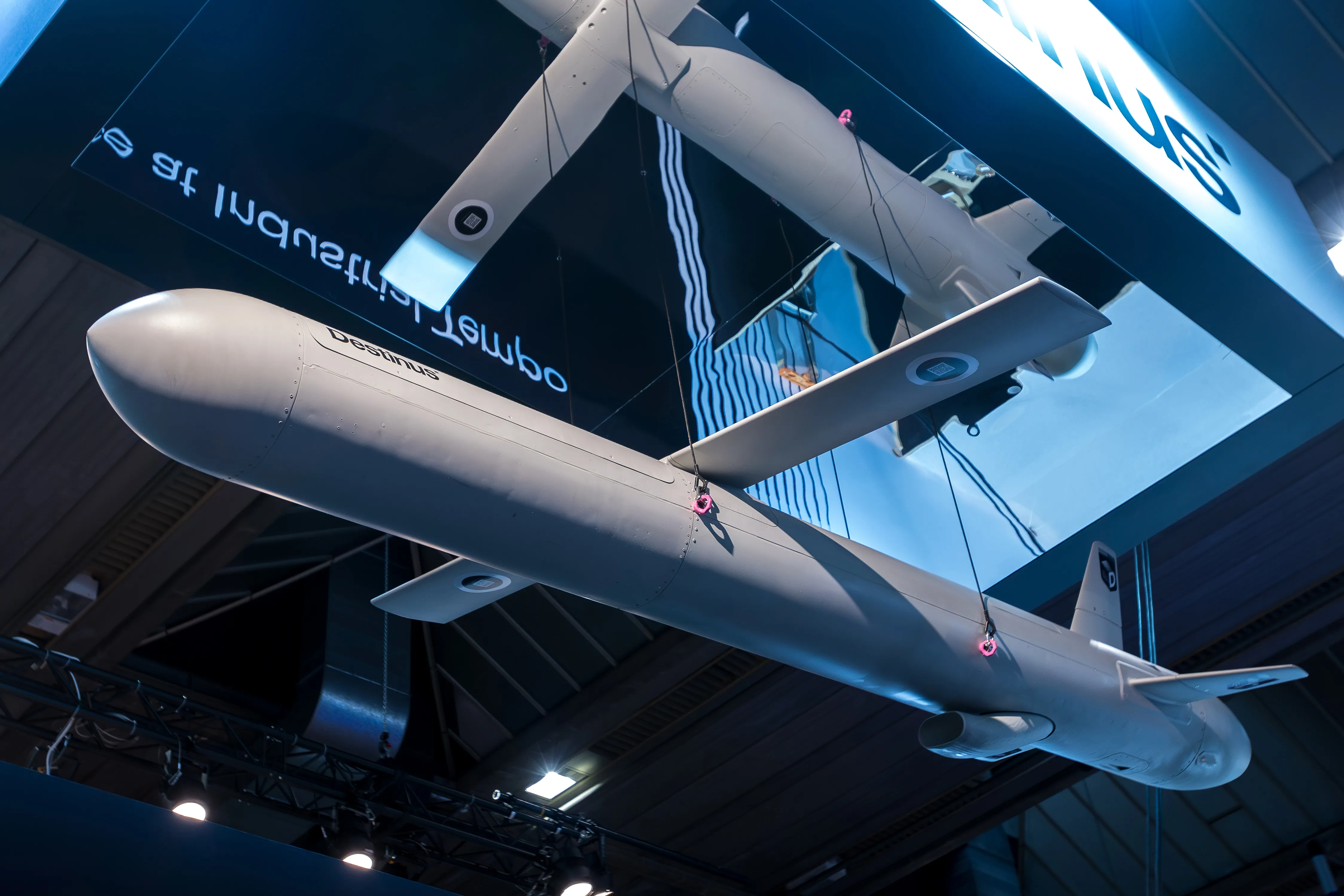
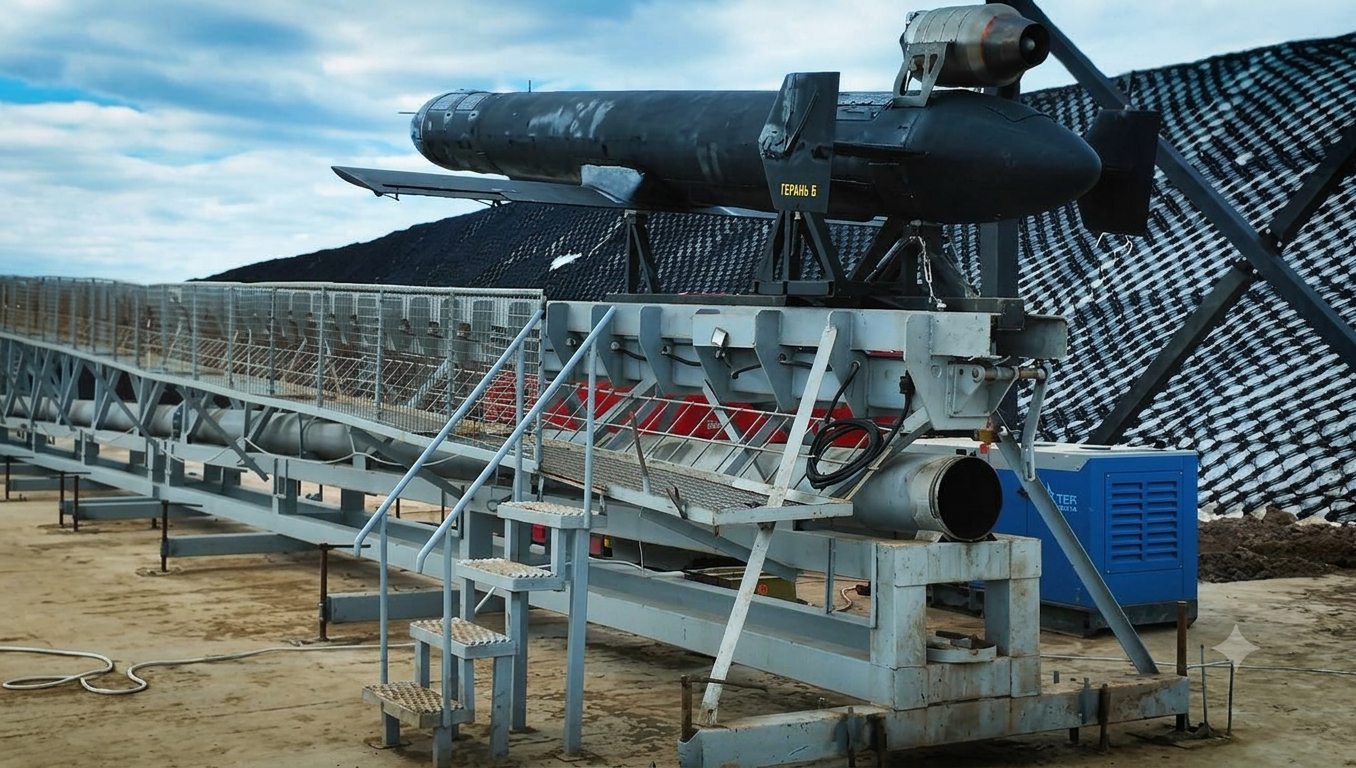
The scale of the disruption also illustrates the industrial effect unmanned aircraft can have without determining a conflict’s broader outcome. Repeated attacks forced a large refining network to absorb outages, repairs and fluctuating production while authorities managed imports, exports and allocation priorities. At the same time, the late-October rebound demonstrates the system’s recovery capacity: Russian officials said much of the required oil and gas equipment was produced domestically, allowing units to return to service quickly once attacks ceased.
For motorists, however, national throughput is only the first recovery milestone. Fuel must reach local inventories consistently enough that a successful purchase no longer depends on a fresh app update, a license-plate schedule or surrendering an hour to a queue.
| More aerospace and engineering stories, right in your MSN feed. Follow AMI on MSN |
By Stephen Wallace — Editor for AMI’s aerospace integration and unmanned mobility coverage, focused on drone manufacturing, VTOL systems, autonomous networks, and air-ground mobility links.