Tesla Emergency Drive Away Activation Reportedly Brings $539 Service Charge
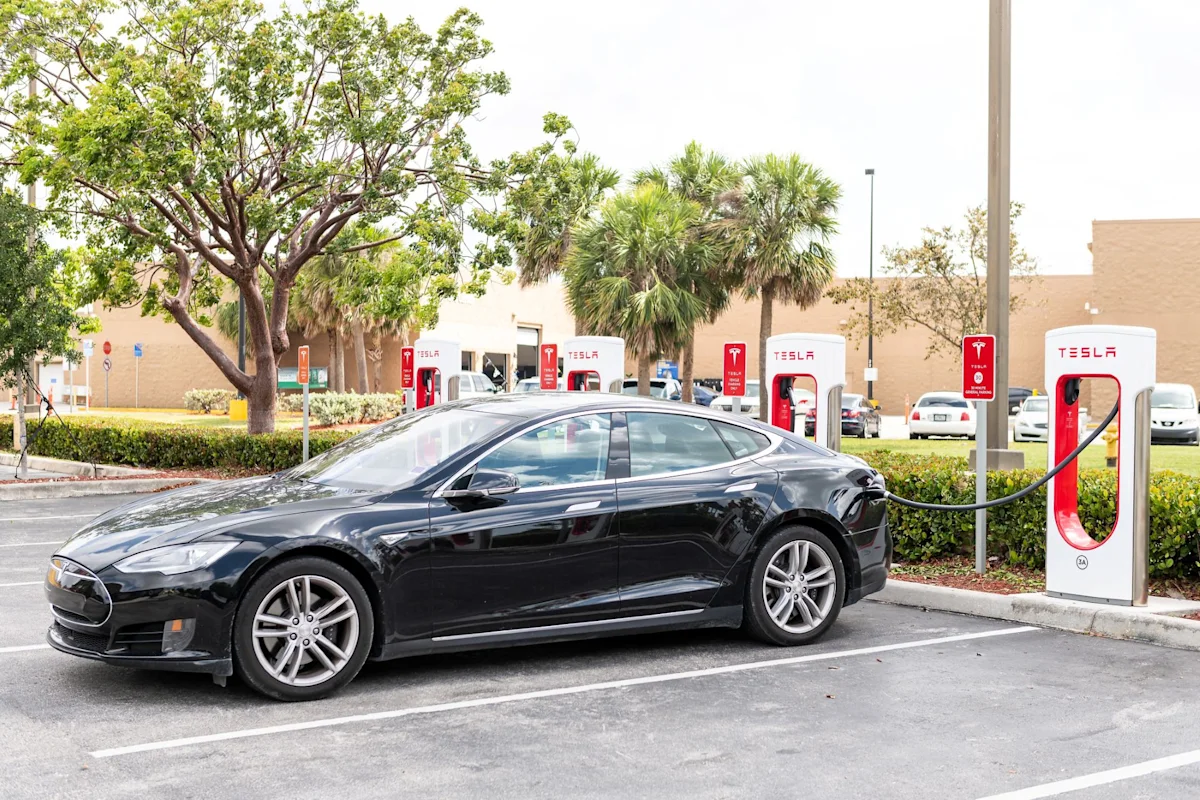
Tesla’s Emergency Drive Away feature is meant to help a driver escape an immediate threat while connected to a Supercharger. In one reported customer case dated October 30, however, activating the control without moving the car produced a service-required alert and a reported $539 service charge to inspect the charge port and clear the warning.
The customer reportedly selected Activate, remembered that the charging cable was attached and stopped before attempting to drive away. A Service Mode screenshot showed the alert “BMS_a228_EmergencyDriveAwayServiceRequired.” The account said only Tesla Service could clear it and later described the $539 amount as covering a charge-port inspection and alert clearance.
This is one attributed case, not an established flat fee for every activation. The available information does not explain how Tesla calculated the amount, whether it was a final bill or service estimate, or whether the inspection identified physical damage. What is clear from Tesla’s Emergency Drive Away instructions is that the service requirement begins when the driver taps Activate not only after the vehicle pulls away.
The service alert is part of the feature’s design
Tesla introduced Emergency Drive Away through software update 2026.38.3. The feature is available in the United States when a Model Y is connected to a Tesla Supercharger. It is unavailable with third-party chargers, Tesla Wall Connectors and Tesla Mobile Connectors.
Activation requires deliberate inputs. While Supercharging, the driver presses the brake pedal and selects Drive or Reverse. The touchscreen then requests confirmation. Holding the brake and tapping Activate stops charging and unlocks the charge port, after which another gear selection permits the vehicle to move with the connector still inserted.
That sequence reflects the difficult safety tradeoff behind the feature. Under ordinary conditions, an interlock prevents a connected vehicle from driving away. Emergency Drive Away overrides that normal constraint because Tesla envisions circumstances in which leaving the car to unplug would expose an occupant to an immediate personal threat. The driver, rather than the vehicle, determines whether the situation qualifies as an emergency.
The software consequently treats activation as a consequential system event. Tesla’s manual says a persistent alert appears even if the car never moves, the vehicle must be inspected by Tesla Service, and the alert remains until that inspection occurs. Tesla may also restrict charging or other functions until service is completed.
From a systems perspective, that behavior separates the inspection trigger from evidence of movement or confirmed damage. The command changes the charging system’s normal state by stopping the session and unlocking the port in preparation for an exceptional departure. Requiring inspection after the command provides a controlled way to verify the charge port before returning the vehicle to normal operation. The customer account indicates that this safeguard can also create an immediate ownership cost when activation is canceled before departure.
A narrow case with a broader user-interface issue
Tesla labels the feature as a last resort and warns drivers not to use it for convenience, to save time or to deal with a stuck charge connector. Its instructions say it should be reserved for an immediate threat when exiting the vehicle is unsafe and unplugging would unreasonably delay escape.
If a driver proceeds, Tesla warns that moving with the connector attached can severely damage the vehicle, charging connector, cable, charging equipment and nearby property. The automaker has said electrical and civil costs involving a Supercharger can reach $25,000, depending on the equipment and damage. Its manual also assigns the driver responsibility for resulting repair costs except where applicable law or warranty terms provide otherwise.
The reported $539 amount concerns a much narrower outcome: inspection and alert clearance after activation without a drive-away. It should not be confused with the potential cost of physically damaging a Supercharger, nor does one customer’s experience establish what another owner would be quoted.
Owners receiving a service estimate can ask for an itemized explanation of diagnostic, inspection, labor and repair charges. The Federal Trade Commission’s auto-repair guidance recommends obtaining a written estimate that identifies the condition to be addressed, anticipated labor and any required parts. That documentation would be particularly useful here because the reported account does not disclose the labor calculation or whether components needed replacement.
The central operational fact is already explicit in Tesla’s instructions: tapping Activate commits the vehicle to a service inspection even if the driver changes course and never moves. In the sole reported case now available, that software-defined boundary reportedly carried a $539 price.
| More aerospace and engineering stories, right in your MSN feed. Follow AMI on MSN |
By Thomas Caldwell — AMI’s senior editor for mechanical and mobility engineering, covering vehicle electronics, systems integration, electrification, chassis systems, propulsion, and safety policy.