Russian Strikes on Ukraine Rose 58% Amid SpaceX Starshield Restrictions, Intelligence Pause
Reported Russian missile and drone strikes on Ukraine increased 58% while the country faced restrictions on SpaceX’s Starshield satellite service and an interruption in U.S. intelligence sharing. Data from the Center for Strategic and International Studies, analyzed by the Telegraph, counted approximately 4,003 strikes from Oct. 12 through Oct. 24, up from 2,527 during the preceding 12-day period.
The difference is about 1,476 additional strikes across two equal reporting windows. It establishes a sharp increase that overlapped with constraints on two external systems used to support Ukrainian warning and defense operations. It does not establish that the support changes caused the increase or prove that Russia timed its attacks to exploit them.
The interruption in intelligence support was brief. Ukrainian President Volodymyr Zelensky said the flow had been interrupted and later restored, and Reuters reported on Oct. 18 that the United States had resumed providing critical intelligence used to help Ukraine defend against Russian missile strikes. U.S. officials had publicly disputed suggestions that intelligence sharing had been reduced, but Zelensky described it as having been “de-blocked.”
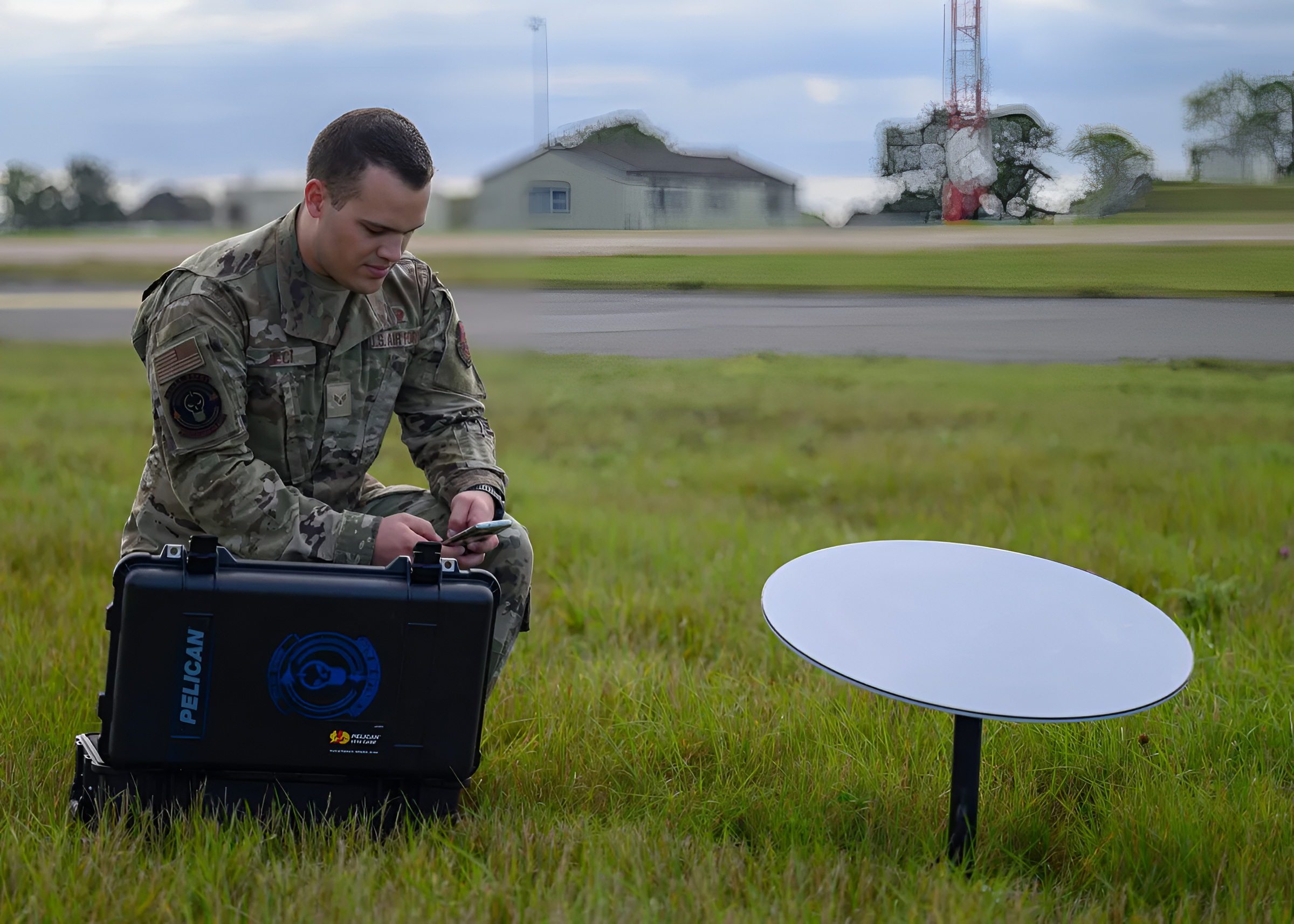
The satellite restriction was separately confirmed by Ukraine on Oct. 14. Starshield is SpaceX’s military system derived from its commercial Starlink network. Although the two share a corporate and technical lineage, they are not interchangeable names: Starlink is the commercial broadband service, while Starshield is configured for government and national-security customers.
Why two support systems matter
Satellite communications and outside intelligence perform different jobs in a defense chain. Intelligence can provide advance warning and improve situational awareness, while communications move information among sensors, command elements and defensive systems. Ukraine relies heavily on U.S. intelligence for warning of fast-moving ballistic missiles, and satellite connectivity associated with Starlink supports operations used to intercept incoming drones.
On Oct. 13, Zelensky said Ukraine had faced a missile attack the previous day without the advance warning normally supplied by allies. That account provides a concrete readiness consequence from the interruption: less warning time. The available information does not quantify how many alerts were missed, how broadly Starshield access was restricted or how many defensive engagements were affected.
The larger engineering issue is dependence on services that sit outside a country’s fully sovereign control. Modern warning and air-defense networks are systems of systems. Satellites, terrestrial communications, intelligence feeds, command software, sensors and interceptors may be supplied and operated by different governments or commercial companies. A restriction affecting one layer does not automatically disable the entire network, but it can reduce the speed, coverage or continuity available to operators.
This dependence extends well beyond Ukraine. NATO says more than 70% of satellite communications used for defense purposes are supplied by the commercial sector. Its published approach to space identifies early warning, secure communications and intelligence as essential space-supported functions, while acknowledging that forces must be able to operate when space services are disrupted, denied or degraded.
Correlation is measurable; causation is not
The 58% figure compares strike counts, not defensive outcomes. A higher number of incoming weapons can place more pressure on warning networks and interception capacity, but the totals alone do not show whether restricted connectivity changed interception rates, damage levels or Russian decision-making. Other operational factors may also influence the number of strikes launched in any 12-day period.
The overlap is still important for readiness planning because it exposes a concentration of dependency. Warning information and communications are complementary rather than redundant: restoring one does not necessarily replace the other. Resilience therefore requires assured service, alternative communications paths and prepared continuity arrangements across both government and commercial systems.
U.S. intelligence sharing had resumed by Oct. 18, partway through the measured Oct. 12-24 period. The unresolved issue is the scope and duration of the Starshield restrictions. Until those details and corresponding defense-performance data are available, the firm conclusion remains bounded but consequential: a rise from 2,527 to about 4,003 reported strikes coincided with reduced access to systems supporting warning and defense.
| More aerospace and engineering stories, right in your MSN feed. Follow AMI on MSN |
By David Whitaker — Associate editor for AMI’s aerospace and drone systems desk, translating flight systems, aircraft programs, spaceflight, and UAV developments into accessible technical stories.