Germany Says Another Patriot Transfer Would Create Critical Defense Shortages
Ukraine wants more Patriot air-defense equipment, but Germany says another transfer would cut into the capacity it needs for its own defense. Defense Minister Boris Pistorius said in an interview published by Berliner Morgenpost that Berlin “cannot provide any more at this moment,” because further deliveries would create critical shortages in Germany’s remaining inventory.

The constraint is not only the number of systems available today. Pistorius said equipment sent now could not be replaced “for the foreseeable future.” Germany has already supplied Ukraine with several Patriot systems and large numbers of guided missiles, and he previously said the country had transferred more than one-third of its Patriot capability.
That makes the decision a readiness boundary rather than a withdrawal from air-defense support. Germany is pursuing a broader military rebuilding effort while preserving enough equipment for its own requirements. Pistorius urged Western countries that he said had “contributed significantly less” to provide more air-defense equipment instead.
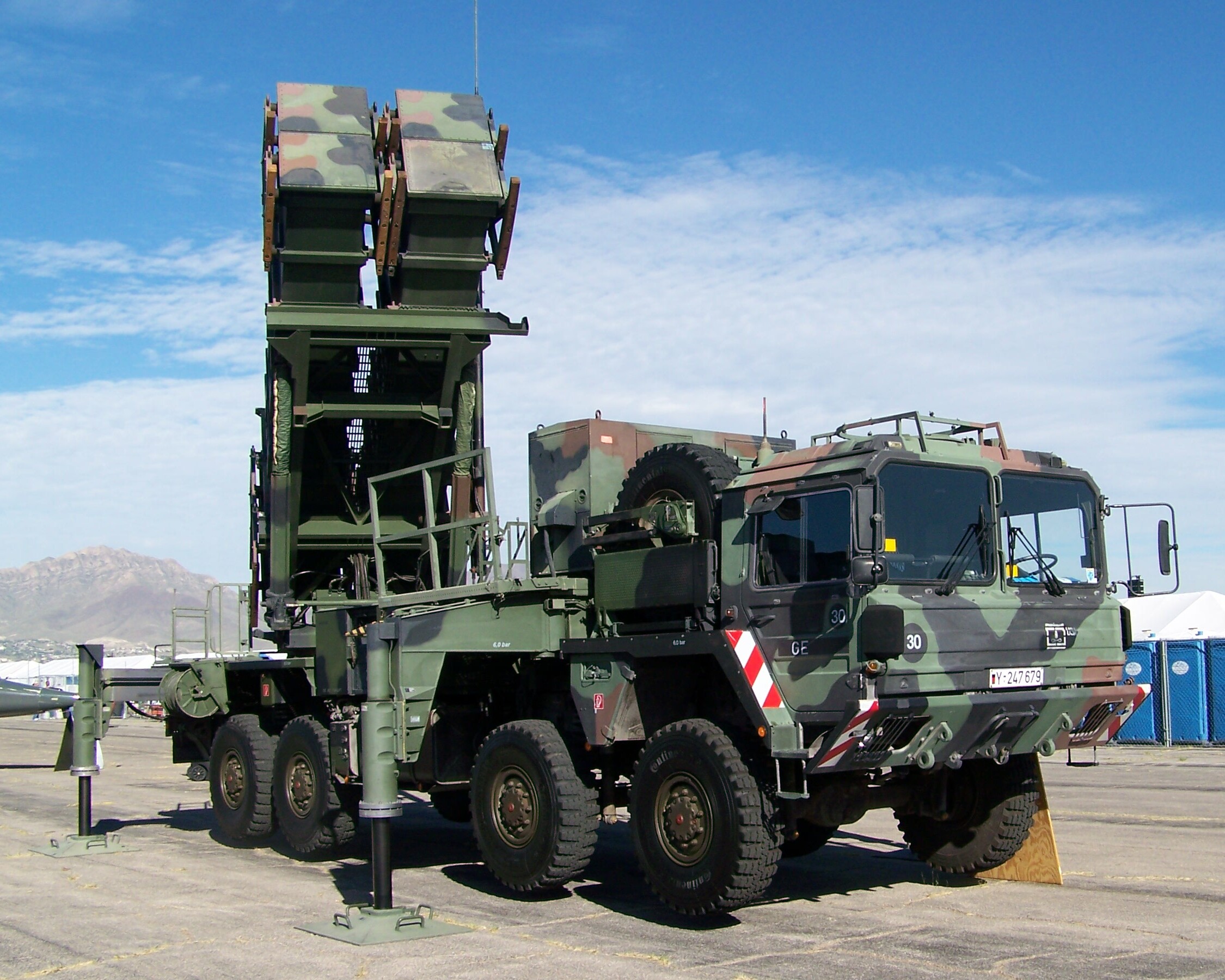
A Patriot system is more than its launchers
The shortage has two related but distinct parts: complete Patriot fire units and the interceptor missiles they launch. A fire unit depends on several major elements, including radar, command equipment, launchers, support hardware and trained personnel. Moving enough equipment to form a usable unit therefore removes more than a row of launch tubes from the donor’s inventory.
Interceptor availability creates a separate constraint. The PAC-3 family includes advanced missiles intended to defeat demanding airborne and ballistic threats. These are expensive, specialized weapons with production chains that cannot be expanded as quickly as ammunition made from simpler components.
Reported estimates place each Patriot interceptor at between $3.5 million and $5 million. An engagement can also consume two interceptors against one target, meaning missile inventories can decline faster than a simple target count suggests. Those figures help explain why transferring an existing fire unit does not settle the longer-term supply problem: the recipient still needs a continuing flow of compatible missiles, while the donor must retain enough for training and national readiness.
Replacement funding does not produce immediate capacity
Germany is moving to rebuild the equipment it has transferred. On October 14, 2026, the Bundestag’s budget committee approved funding for Patriot firing units to replace units sent to Ukraine in 2025, according to the procurement announcement reported by Janes. The package also covered maintenance containers intended to support repairs and operational availability.
That approval addresses the replacement requirement, but it does not place completed systems back into German service immediately. Patriot hardware must move through contracting, manufacturing, delivery, acceptance and fielding. Maintenance infrastructure is part of the same readiness equation: a delivered firing unit cannot provide sustained availability without the equipment and personnel needed to inspect and repair it.
The industrial base is expanding, although the scale and timing illustrate why Germany cannot treat future output as present inventory. A U.S. multiyear PAC-3 MSE agreement is intended to support a tripling of interceptor production capacity by the end of 2030. Boeing, the incumbent supplier of the missile’s seeker, has also received a seven-year production agreement and has invested more than $200 million in its Huntsville operations.
The U.S. Army considered establishing a second supplier for the PAC-3 MSE seeker but decided that doing so would divert resources from expanding output with the established producer. Instead, it is pursuing competition through a separate lower-cost interceptor initiative. That choice favors faster expansion of a mature production chain, while leaving a key high-performance component concentrated with one supplier.
Other reported customer shortages and delayed contracted deliveries show that Germany is not making its decision in an unconstrained market. Poland and the Netherlands had previously indicated that they had no Patriot missiles to spare, while other governments were preserving their reserves. Germany’s newly approved replacements may eventually restore transferred capacity, but Pistorius’s assessment is that they will not arrive soon enough to support another donation now.
| More aerospace and engineering stories, right in your MSN feed. Follow AMI on MSN |
By David Whitaker — Associate editor for AMI’s aerospace and drone systems desk, translating flight systems, aircraft programs, spaceflight, and UAV developments into accessible technical stories.