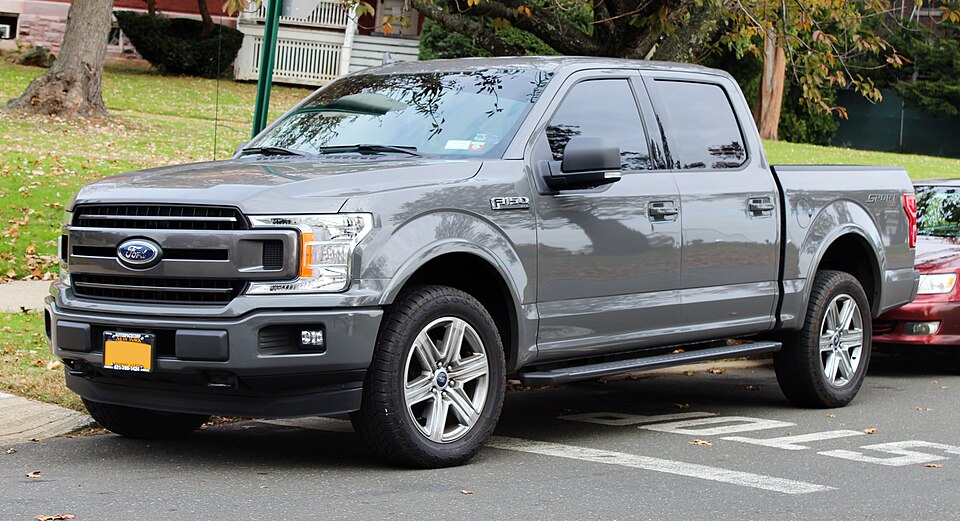
Ford F-150 Output Jumps 45% as Aluminum Supplier Recovers
Ford built 62,082 F-150 pickups in October 2026, a 45% increase from 42,846 in September, as production recovered from an aluminum-supply disruption. The rebound reached both factories that assemble the truck, providing a plant-by-plant measure of how the return of a critical material supplier translated into higher output.

The larger increase occurred at Kansas City Assembly. The plant produced 31,770 F-150s in October, up 61% from 19,702 in September. Dearborn Truck Plant raised output by 31%, from 23,144 to 30,312 trucks.
Kansas City therefore supplied slightly more than half of Ford’s October F-150 production and accounted for 12,068 of the 19,236 additional trucks built across the two plants. Dearborn contributed the remaining 7,168-unit increase. The gains at both locations indicate that the improvement was broader than a production surge confined to one assembly operation.
A supplier outage reached two truck plants
The earlier constraint followed multiple fires last year in the hot mill at a Novelis aluminum plant in Oswego, New York. Novelis is identified as Ford’s chief aluminum supplier for F-Series truck construction, and the damaged mill remained out of commission for months. The disruption affected production of both the F-150 and the heavier Ford Super Duty before the supplier’s plant returned fully online in June.
That sequence illustrates a basic supply-chain risk in high-volume vehicle manufacturing: two geographically separate assembly plants can still depend on the recovery of one upstream processing site. An automaker may have extensive factory capacity, labor and tooling available, but output can remain constrained if a required material does not arrive in the necessary form and volume.
Aluminum moves through several industrial stages before reaching a vehicle plant. Primary or recycled metal is mechanically processed into semi-fabricated forms such as sheet, tube and foil. A hot-mill outage is therefore different from a broad shortage of raw metal; it can interrupt the conversion capacity needed to deliver material that meets a manufacturer’s production requirements.
The wider U.S. aluminum system also has relatively concentrated capacity. A Congressional Research Service overview of the industry reported that four active U.S. primary smelters had combined annual capacity of about 795,000 metric tons as of 2026. Primary smelting is only one part of the chain, but the limited number of major facilities helps explain why an unplanned outage at a specialized site can have consequences far downstream.
October supports Ford’s near-term outlook
Ford CEO Jim Farley said approximately a month before the October figures were reported that F-150 production was “back up and running.” Todd Eckert, Ford Blue senior director of truck consumer marketing, later said, “The Novelis recovery is running on schedule.”
Eckert also said Ford was not anticipating additional delays from the disruption and did not expect it to create ordering or inventory problems. The October totals support that near-term assessment: combined production increased by nearly one-fifth of September’s entire output in a single month, and neither assembly plant was left behind in the recovery.
For buyers and dealers, higher factory output reduces the likelihood that the earlier material constraint will limit initial availability of the updated 2027 F-150. Ford does not expect the Novelis disruption to affect production of that lineup. The added October volume, however, measures completed trucks rather than dealer inventory, regional availability or future ordering conditions.
One month of stronger production also cannot establish long-term supply stability. Manufacturing output can vary with scheduling, model transitions and other operating conditions, while the figures provided here compare consecutive months rather than year-over-year performance. What October does establish is narrower and concrete: after a fire-damaged supplier constrained a high-volume truck program, Ford’s two F-150 plants together built 19,236 more pickups than they had in September.
| More aerospace and engineering stories, right in your MSN feed. Follow AMI on MSN |
By Thomas Caldwell — AMI’s senior editor for mechanical and mobility engineering, covering vehicle electronics, systems integration, electrification, chassis systems, propulsion, and safety policy.