France Investigates Aer Lingus Crew After Bomb-Threat Military Diversion
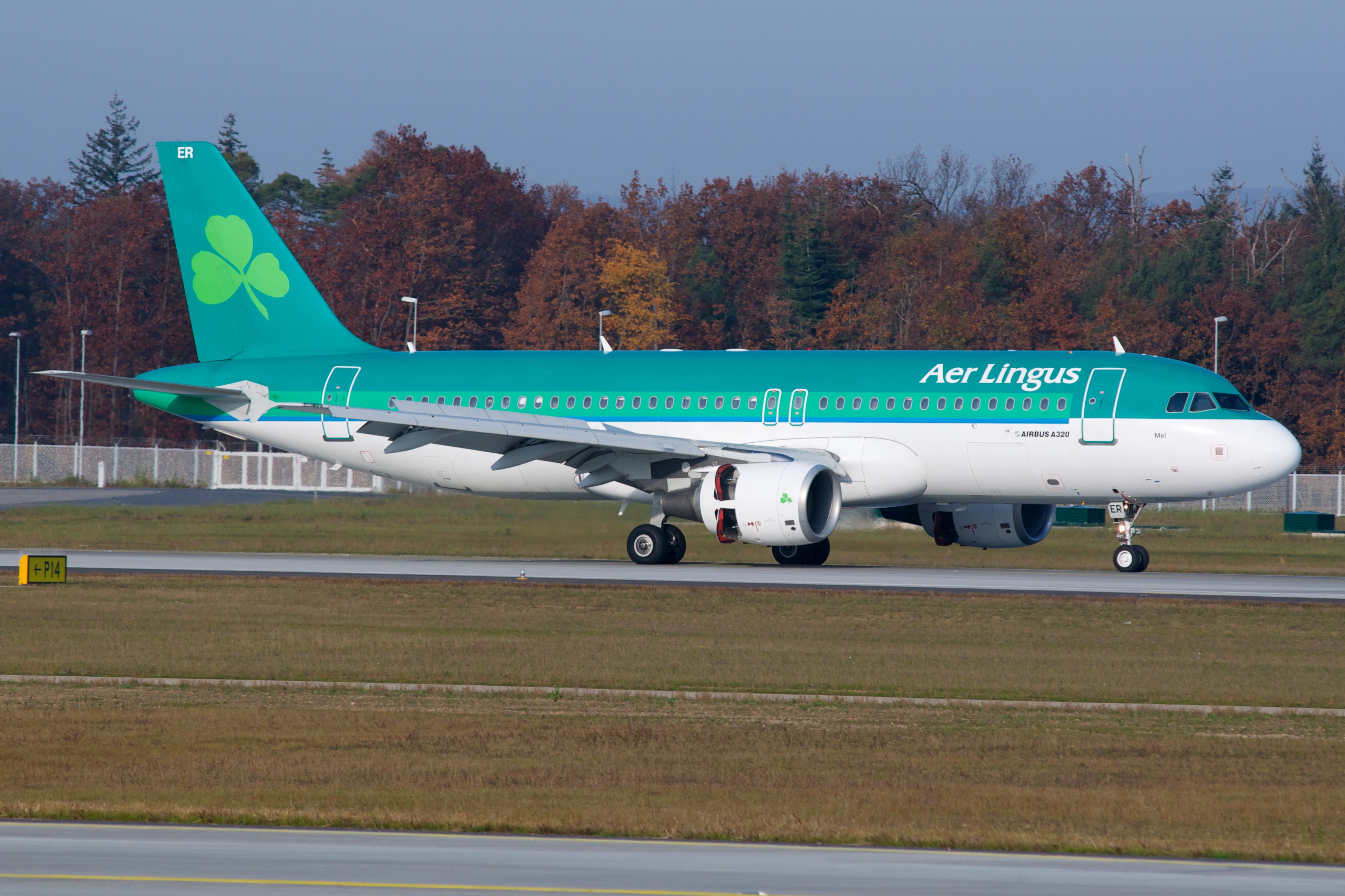
French prosecutors are investigating why the crew of Aer Lingus Flight EI402 allegedly did not initially follow an instruction to land at a military facility during a bomb-threat diversion on November 5, 2026. The Airbus A320, carrying 151 passengers and six crew members from Dublin to Rome, eventually landed safely at Évreux-Fauville Air Base in Normandy under fighter escort.

A search found no explosives or suspicious materials, but the safe outcome did not close the operational question. The pilot and co-pilot were questioned after the flight, while Aer Lingus and the Irish Airline Pilots’ Association said the crew cooperated fully. The airline maintains that the captain and crew acted professionally throughout the security incident.
The inquiry is focused on coordination
Flight EI402 departed Dublin Airport at 6:24 a.m. Passengers were informed of a problem and diversion about an hour into the journey. French authorities deployed two fighter jets to intercept and escort the aircraft to Évreux-Fauville, approximately 100 kilometres west of Paris.
The Évreux public prosecutor’s office opened its investigation after the pilot allegedly declined an initial direction to land at the designated military facility. Prosecutors have indicated that charges could follow if investigators determine that the crew refused official instructions. No such conclusion has been announced, and the reason for the crew’s reported initial response remains unresolved.
That leaves investigators with a narrower but operationally important task: reconstructing how an instruction moved through civilian air-traffic control, military authorities and the cockpit, how it was understood, and what response followed. An apparent delay or disagreement can have several possible explanations, including communication clarity, workload, aircraft-command decisions or coordination between agencies. None has been established in this case.
A bomb warning creates competing demands
Bomb-threat handling is designed around caution because even threats that prove false must initially be treated as credible. Guidance for controllers describes a cockpit environment in which crews may face increased workload, elevated stress and nonstandard communications while assessing where and how to land. Controllers may simultaneously need to clear nearby airspace, coordinate emergency services and arrange a secure parking location away from buildings and other aircraft.
The aircraft commander also retains responsibility for the safe operation of the aircraft. That responsibility does not erase instructions from authorities in the airspace being used, but it can make the communication chain more complex than a simple command-and-response exchange. Investigators will need to establish the exact instruction, who issued or relayed it, what the pilots understood and whether any safety concern shaped their response.
The military interception added another coordination layer. Internationally standardized visual signals allow an intercepting aircraft to direct a civilian aircraft to follow it, while the civilian crew acknowledges and complies. Interceptions are nevertheless treated as potentially hazardous operations because military and civil aircraft must coordinate positioning, communications and collision-avoidance systems while operating close to one another.
EUROCONTROL material notes that explicit cooperation between military controllers and civilian air-traffic authorities is needed during an interception. That systems requirement helps explain why the French inquiry is consequential even though EI402 landed without injury and the security search was negative. The disputed issue is not only the crew’s conduct; it is whether the entire civil-military command and communication path worked as intended.
The landing shifted the operation to ground security
After EI402 reached Évreux-Fauville, passengers were moved to a secure area and a bomb-disposal unit examined the A320. Separating passengers from the aircraft allowed specialists to conduct the search while limiting access to the plane. The inspection ultimately found no explosive device or suspicious material.
For the 157 people aboard, however, the threat had already produced a major operational consequence: a fighter interception, diversion from the planned Dublin-to-Rome route, landing at a military base and security processing away from a normal commercial terminal. Such diversions require coordination not only in the air but also among ground security, emergency personnel, passenger-handling teams and the airline.
EI402 was one of at least 27 European flights disrupted by bomb threats that day. Authorities had not determined whether those threats were connected or where the messages originated, and no government had publicly assigned responsibility. Those wider questions remain separate from the Évreux inquiry into the cockpit’s alleged initial response.
Aer Lingus says its pilots have concluded their engagement with investigators, but the prosecutor’s inquiry remains open. Its most important result will be a documented account of what instruction was given, how it reached the cockpit and why the aircraft allegedly did not respond as French authorities initially expected.
| More aerospace and engineering stories, right in your MSN feed. Follow AMI on MSN |
By Thomas Caldwell — AMI’s senior editor for mechanical and mobility engineering, covering vehicle electronics, systems integration, electrification, chassis systems, propulsion, and safety policy.