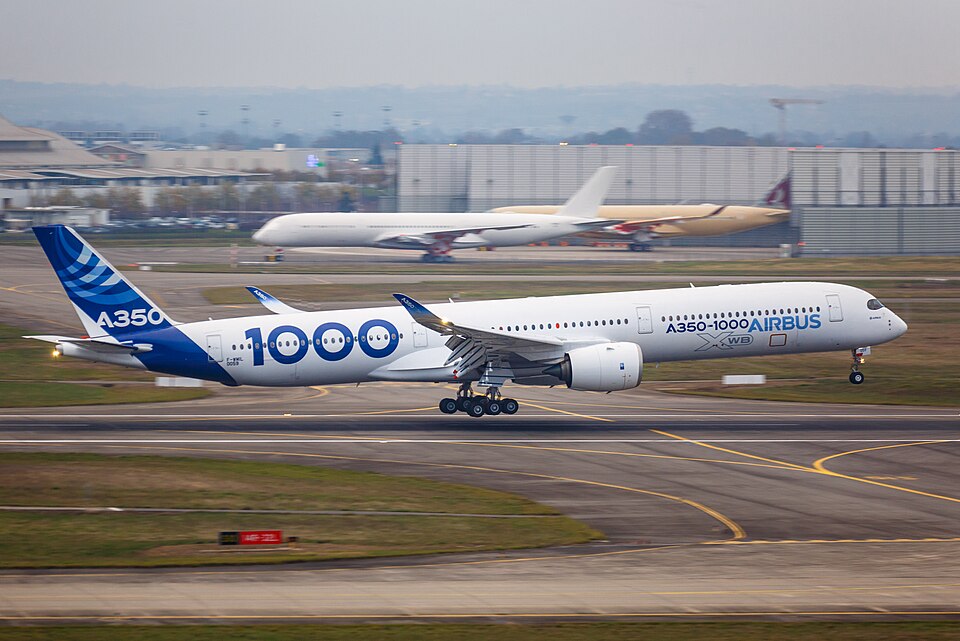
Airbus A350 Flies 14,388 Miles, Breaking Boeing’s 21-Year Record
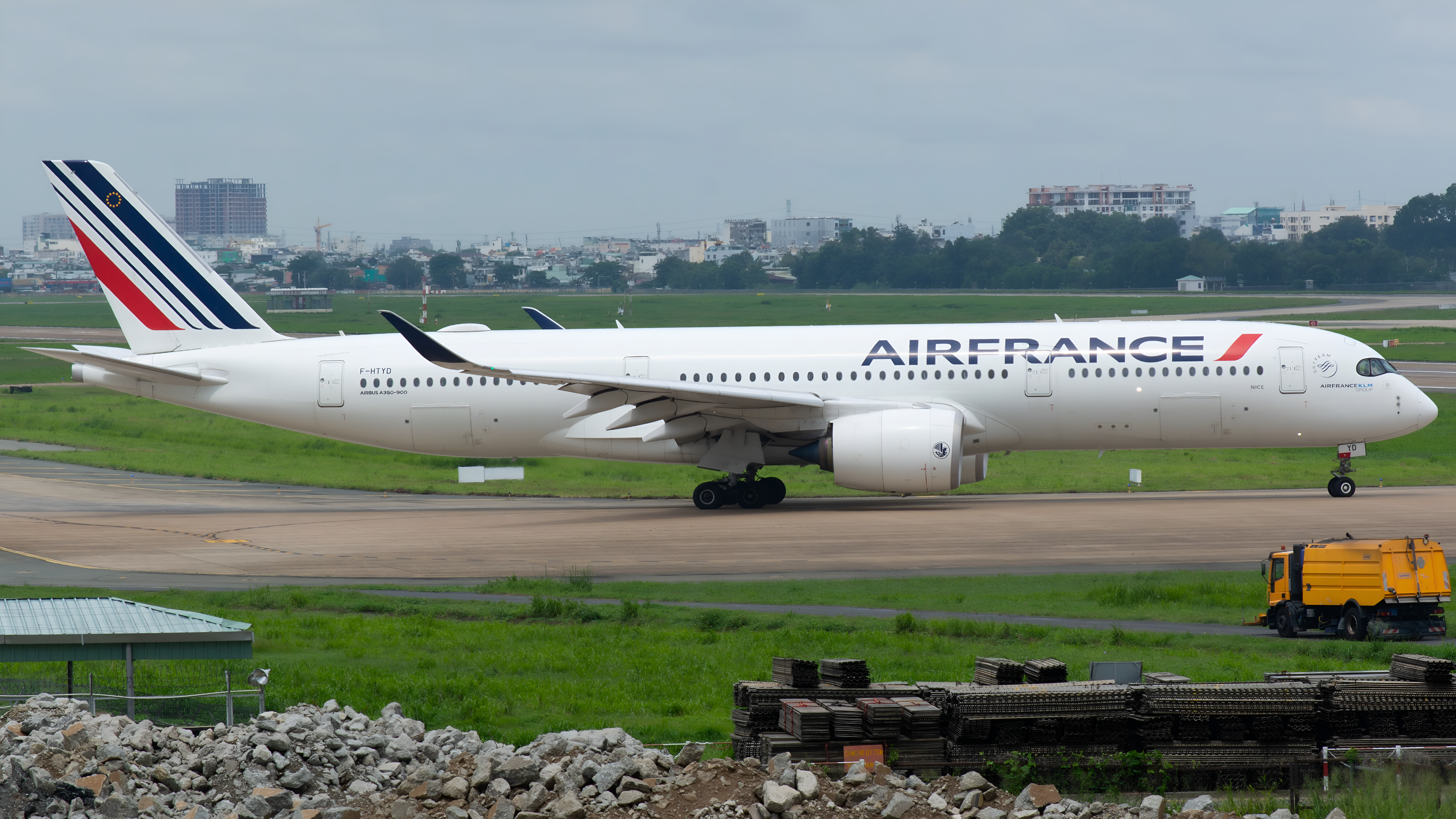
An Airbus A350-1000ULR has flown 14,388 miles (23,155 kilometers) nonstop from Melbourne to Toulouse, surpassing a Boeing distance record that had stood for more than two decades. The record-setting Airbus flight lasted 24 hours and 24 minutes an unusually tangible demonstration of what an airliner can do when configured and operated for extreme range.

The previous benchmark belonged to Boeing’s 777-200LR Worldliner. That aircraft, known as Baby Blue 2, covered 13,423 miles (21,601 kilometers) from Hong Kong to London in 22 hours and 42 minutes on November 9–10, 2005. Airbus announced its certified result on November 9, 2026, exactly 21 years after the Boeing flight departed Hong Kong.
A longer flight with a different purpose
The numerical comparison is straightforward: Airbus extended the distance record by 965 miles and remained airborne for one hour and 42 minutes longer. Operationally, however, the A350 flight was more than an attempt to replace Boeing in the record book. It was part of the development campaign for Qantas’s Project Sunrise, which is intended to establish scheduled nonstop links between Sydney and London, followed by Sydney and New York.
Operating as AIB35LR, the aircraft left Melbourne at 5:27 p.m. local time on July 27, 2026. It flew east over Sydney, crossed the Pacific and North America, continued over the Atlantic and London, and landed at Toulouse-Blagnac Airport on July 28. The route crossed three continents and two oceans.
Only 13 people were aboard: three Airbus test pilots, two Qantas pilots, flight-test and design engineers, and a representative of the International Aeronautical Federation. That sharply separates the record mission from the scheduled service Qantas ultimately wants to operate. A lightly occupied development aircraft can establish range capability, but a 238-seat airliner must repeat its mission with passengers, baggage, catering, reserve fuel requirements, trained crews and the normal variability of airline operations.
Guinness certification followed independent validation of the aircraft data by the International Aeronautical Federation and Flightradar24. The certified distance of 14,388 miles was about 50 miles longer than Airbus’s initial reported figure.
The fuel tank buys roughly 1,000 nautical miles
The defining hardware change is an additional rear center fuel tank integrated into the A350-1000ULR. It holds approximately 5,521 gallons (20,900 liters) and extends the standard A350-1000’s range by about 1,000 nautical miles. That added fuel capacity provides the reach needed for Project Sunrise routes approaching 10,000 nautical miles, with planned flight times of up to 22 hours.
Extra fuel is only one part of the problem. The July test also examined fuel management, cabin environmental systems and redesigned crew-rest compartments. Pilots worked overlapping four-hour shifts staggered every two hours, illustrating why crew accommodation and fatigue controls are core aircraft requirements rather than secondary cabin features on a mission lasting nearly a full day.
The Boeing record established that a purpose-configured 777 could connect distant city pairs under demonstration conditions. Airbus has now pushed the measured distance farther, but Project Sunrise raises the harder repeatability question: whether the aircraft, crews and airline operation can sustain ultra-long sectors on a published schedule rather than on a single record attempt.
Qantas still has a certification and training campaign ahead
Qantas has ordered 12 A350-1000ULRs, each configured with 238 seats. The airline expects its first aircraft in April 2027 and plans to begin nonstop Sydney–London service in October 2027, followed by Sydney–New York flights in mid-2028.
Before then, certification, aircraft deliveries and operational preparation must converge. Qantas is preparing more than 360 pilots and 1,200 cabin crew for the fleet. Training that workforce is a different scale of undertaking from managing the five pilots carried on the record flight, particularly when each service may keep passengers and working crews aboard for as long as 22 hours.
The Melbourne to Toulouse run has established the A350-1000ULR’s extreme-range credentials with an independently validated result. Its next meaningful benchmark will arrive after the first delivery, when Qantas must turn a 13-person, 24-hour test into certified and repeatable passenger service between Sydney and London.
| More aerospace and engineering stories, right in your MSN feed. Follow AMI on MSN |
By David Whitaker — Associate editor for AMI’s aerospace and drone systems desk, translating flight systems, aircraft programs, spaceflight, and UAV developments into accessible technical stories.