Pakistan’s NRTC Signs Deal for 100,000 First-Person-View Drones and Local Production
One hundred thousand first-person-view drones anchor a reported three-year agreement that combines Turkish aircraft deliveries with production and assembly in Pakistan. Pakistan’s National Radio and Telecommunication Corporation, or NRTC, signed the final agreement on September 18, 2026, according to details of the procurement and licensing arrangement.
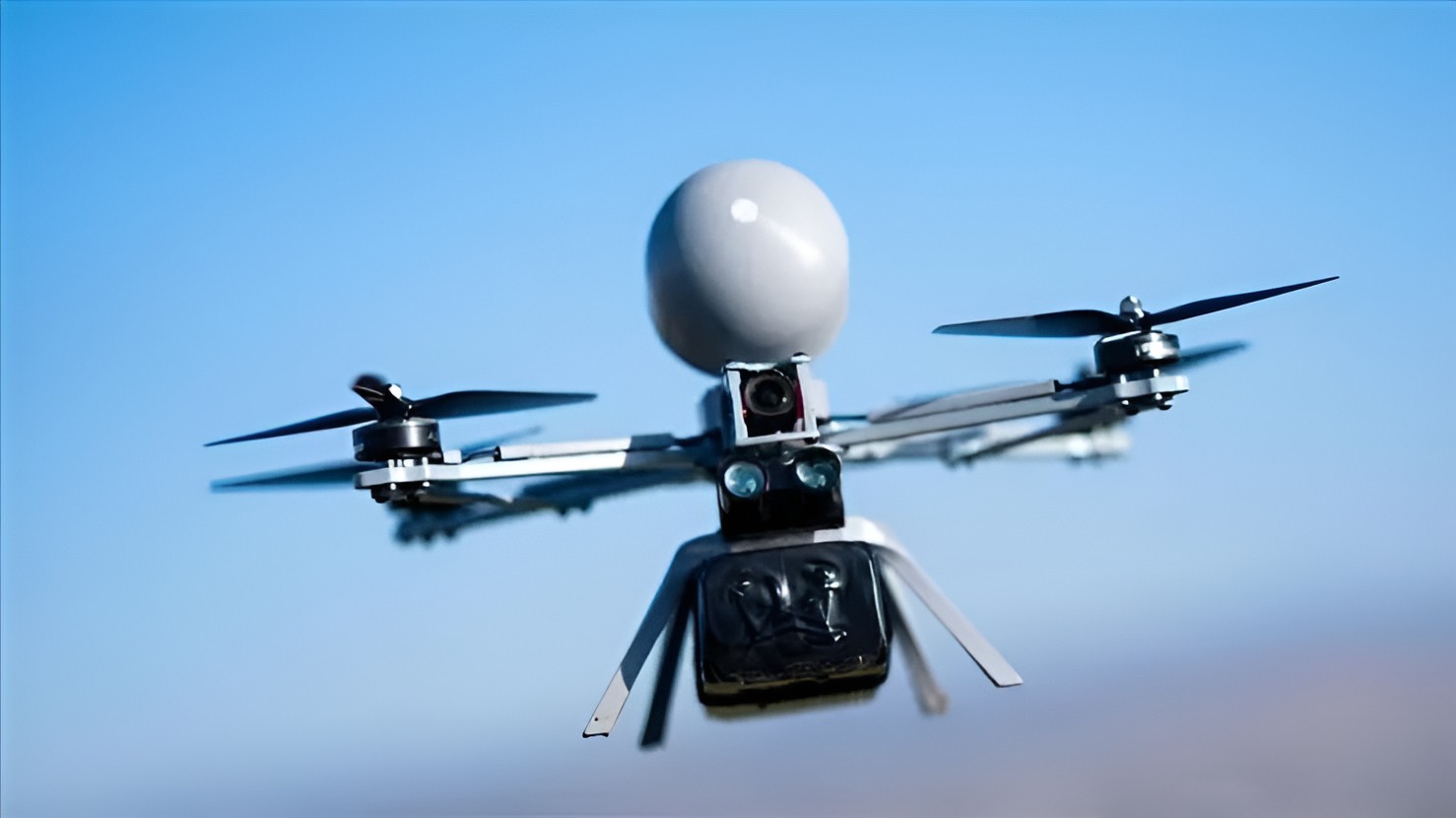
The agreement involves Türkiye’s Pasifik Teknoloji and aircraft developed by its TİTRA Technology subsidiary and associated company SAVX Teknoloji. Its largest element is 100,000 Merküt first-person-view systems. The package also reportedly covers 500 Deli-2 and/or Deli-S loitering munitions, 10 Alpin unmanned helicopters, 25 smaller Dumrul rotary-wing aircraft and 250 Korgan autonomous drone stations.
Those figures describe the scope of the signed agreement, not completed deliveries or current Pakistani production output. Pasifik Teknoloji has said production and delivery are expected to begin in the near future, but no start date, annual delivery target or factory output has been disclosed. There is also no reported evidence that the first aircraft have been delivered or accepted.
A large order with several different production demands
The 100,000-unit Merküt quantity stands apart from the rest of the package. It signals an effort to procure small, expendable aircraft at industrial scale rather than treating them as a limited evaluation batch. Achieving that scale over three years would require repeatable assembly, component supply, inspection and acceptance processes not merely enough space to put imported kits together.
The other items create a different manufacturing and support problem. Alpin and Dumrul are reusable rotary-wing aircraft, while the Deli family and Merküt occupy separate unmanned-aircraft categories. Korgan stations add ground infrastructure to the package. Each product line can require its own tooling, documentation, technician training, spare parts and quality-control procedures.
This makes the agreement broader than a single order for 100,000 airframes. NRTC would have to manage several production or assembly streams while coordinating equipment received as completed systems. The mix also complicates any simple total of “drones,” because the 250 Korgan units are support stations rather than aircraft.
Assembly and domestic production are not interchangeable
The agreement expressly includes local production or assembly, but the available terms do not show how deeply work will move into Pakistan. Local assembly could mean joining and testing imported subassemblies. A more extensive manufacturing program could assign Pakistani suppliers responsibility for airframes, electronics, mechanical parts or other components, subject to qualification and production rights.
No local-content percentage, component breakdown or division of work between NRTC and the Turkish companies has been disclosed. The contract value is also undisclosed. Without those details, it is not yet possible to determine how much of the program’s spending will support imported finished equipment, imported kits, Pakistani labor or locally sourced components.
That distinction controls how much the arrangement can reduce dependence on foreign suppliers. A Pakistani assembly line could shorten some maintenance and replenishment processes, but continued reliance on imported critical parts would leave output tied to the overseas supply chain. Deeper localization would require more tooling, workforce development, supplier qualification and quality assurance before production could become repeatable.
Scale increases the importance of quality control
A six-figure airframe target magnifies manufacturing variability. A recurring defect in one component or production process could affect many units, making batch traceability, incoming-parts inspection and acceptance testing central to usable output. The relevant measure will not be how many units are nominally covered by the agreement, but how many are produced, accepted and supportable on schedule.
The signing followed a May 2026 memorandum and a period of field tests, evaluations, simulation exercises and training. That sequence provides a basis for moving from evaluation toward procurement, but it does not establish that serial production facilities are operating. Training an initial group also differs from creating the instructors, maintainers and inspectors needed for a sustained three-year program.
The next meaningful milestones are therefore concrete: first accepted deliveries, the opening of Pakistani assembly or production, annual output figures and disclosure of which components local suppliers will make. Until those appear, the agreement documents an unusually large procurement target and an industrial ambition not 100,000 completed drones or an established domestic production line.
| More aerospace and engineering stories, right in your MSN feed. Follow AMI on MSN |
By Stephen Wallace — Editor for AMI’s aerospace integration and unmanned mobility coverage, focused on drone manufacturing, VTOL systems, autonomous networks, and air-ground mobility links.