ULA Vulcan Failure Destroys 40 Amazon Satellites, Complicating Network Deployment
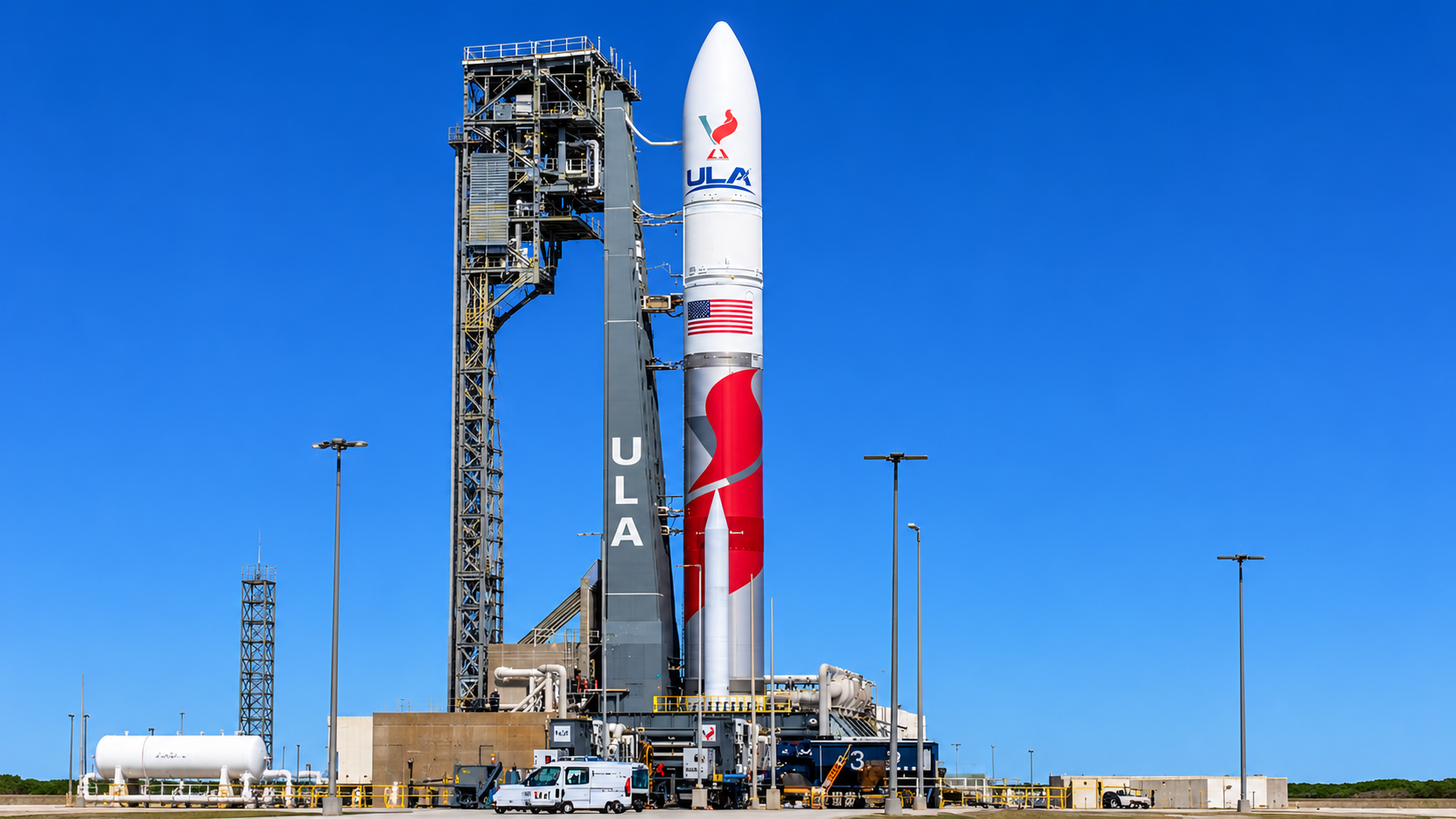
United Launch Alliance’s Vulcan rocket failed about 10 minutes after lifting off from Cape Canaveral Space Force Station on Sunday, November 15, destroying 40 satellites intended for Amazon’s Leo internet network. ULA confirmed that the vehicle suffered an anomaly and failed to deliver the payload to orbit, but the cause remains unknown.

The loss is the first mission failure in ULA’s 20-year history. The Boeing-Lockheed Martin joint venture had built its record with the Atlas and Delta rocket families, making this failure especially consequential for Vulcan, the company’s new flagship launcher. It also removes an entire batch of satellites from Amazon’s constrained deployment schedule just as ULA was trying to establish a regular Vulcan cadence.
The investigation begins with flight data, not assumptions
The immediate task is to determine when the mission departed from its expected performance and which hardware or software initiated the failure. ULA said it did not yet have specific data explaining what happened. The Federal Aviation Administration has now required a formal mishap investigation, according to a November 16 update on the failure. ULA will lead that work under FAA oversight, and the agency must approve the final report and corrective actions.
Available information places the anomaly after Vulcan’s satellite-carrying second stage separated from the BE-4-powered first stage. That timing narrows the portion of the flight engineers must examine, but it does not identify a cause. Blue Origin, which supplies the BE-4 core engines, is working with ULA on the investigation, according to a person familiar with the matter. There is no confirmed indication that those engines caused the loss.
Investigators will reconstruct the flight using onboard telemetry, ground tracking and the rocket’s command history. The practical questions are whether the event can be isolated to a specific component or process, whether other Vulcan vehicles share the same condition and what inspections, tests or design changes would be required before another launch. The scope of those findingsnot the fact that an investigation is underwaywill determine how long Vulcan remains off the launch schedule.
Vulcan had already struggled to establish a cadence
This was only Vulcan’s fifth flight since its January 2024 debut and its first launch in nine months. Separate technical reviews involving solid-fuel side boosters and the rocket’s BE-4 core engines had already extended the hiatus. Vulcan’s second and fourth missions reached their intended orbits despite side-booster nozzle problems that drew additional scrutiny.
Those earlier outcomes demonstrated some performance margin: the core vehicle compensated for booster underperformance and completed the missions. Sunday’s result is categorically different because the payload never reached orbit. It turns Vulcan’s schedule problem from one of resolving anomalies while preserving mission success into a return-to-flight effort following a total mission loss.
The consequences also extend beyond commercial scheduling. The Pentagon had not yet approved Vulcan to resume carrying national security payloads and was awaiting its performance on the Amazon mission. A successful flight could have supported renewed government use; instead, officials now have a new failure investigation and corrective-action package to assess.
Forty satellites were a meaningful block of Amazon’s network
Amazon had deployed 398 Leo satellites across 14 launches since 2025, about 12% of the 3,236 spacecraft it says are needed for global coverage. The lost batch would have represented roughly 10% of the satellites already deployed, illustrating how a single unsuccessful launch can erase a substantial increment of constellation growth.
Amazon depends on outside launch providers rather than an in-house rocket fleet, so its deployment rate is tied to the availability and reliability of multiple launch systems. ULA has a large backlog of Amazon missions, and Sunday’s flight was intended to begin Vulcan’s contribution to a more regular deployment campaign. Amazon had hoped to start initial Leo internet service this year.
Regulatory flexibility provides some room, but not an open-ended schedule. The Federal Communications Commission previously relaxed an interim deployment requirement after Amazon cited limited commercial launch opportunities, while leaving its final deployment deadline in place. Losing 40 spacecraft does more than reduce the orbital total: it consumes a launch opportunity and introduces uncertainty about when the same rocket can carry another batch.
Amazon said every launch carries risk and maintained its confidence that ULA would learn from the mission and execute its long-term Vulcan plans. The next meaningful milestone will be narrower and more technical: ULA must identify the cause, demonstrate that corrective measures address it and secure approval to fly again. Until then, both Vulcan’s commercial cadence and its return to national security missions remain tied to the same unresolved 10 minutes of flight data.
| More aerospace and engineering stories, right in your MSN feed. Follow AMI on MSN |
By David Whitaker — Associate editor for AMI’s aerospace and drone systems desk, translating flight systems, aircraft programs, spaceflight, and UAV developments into accessible technical stories.