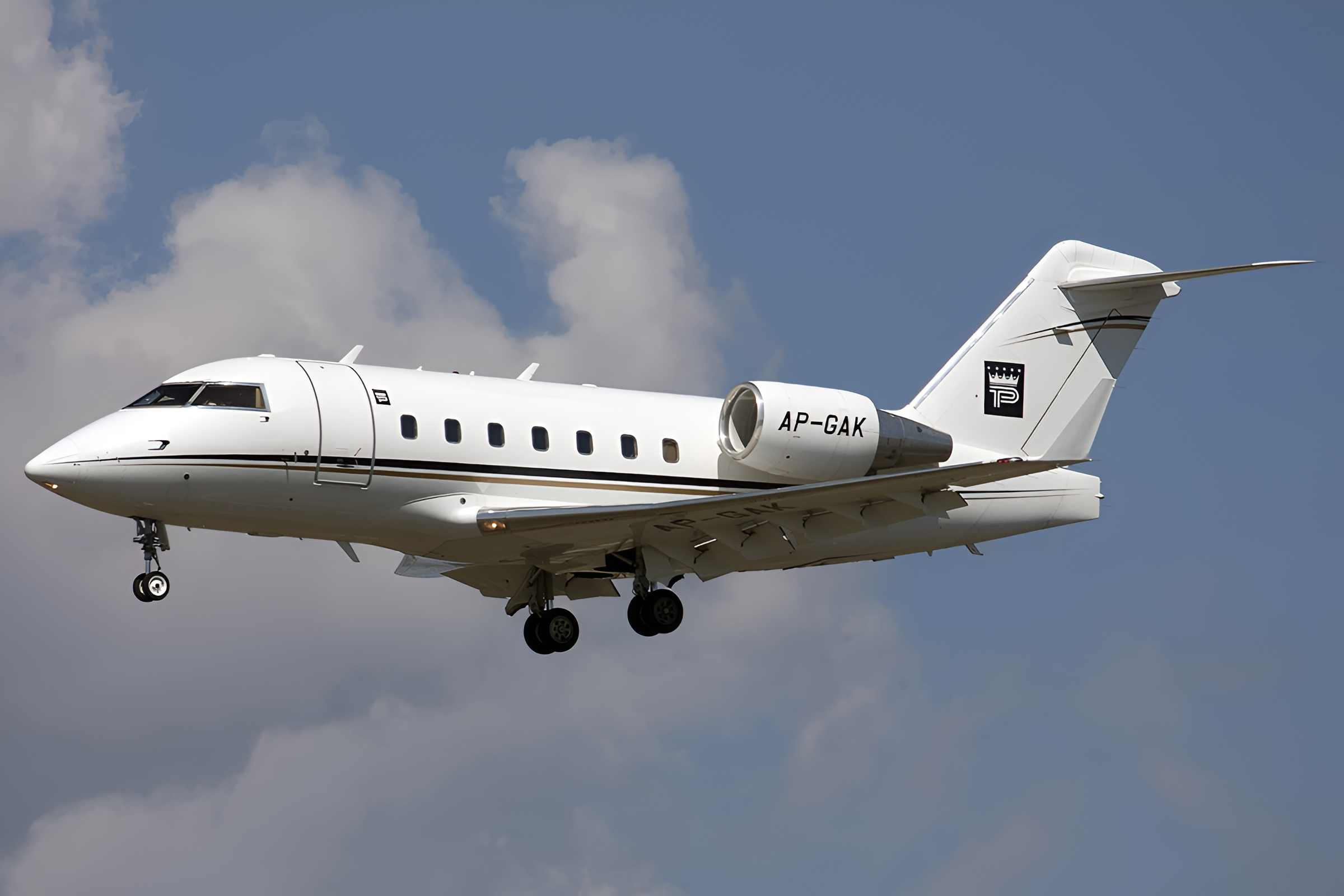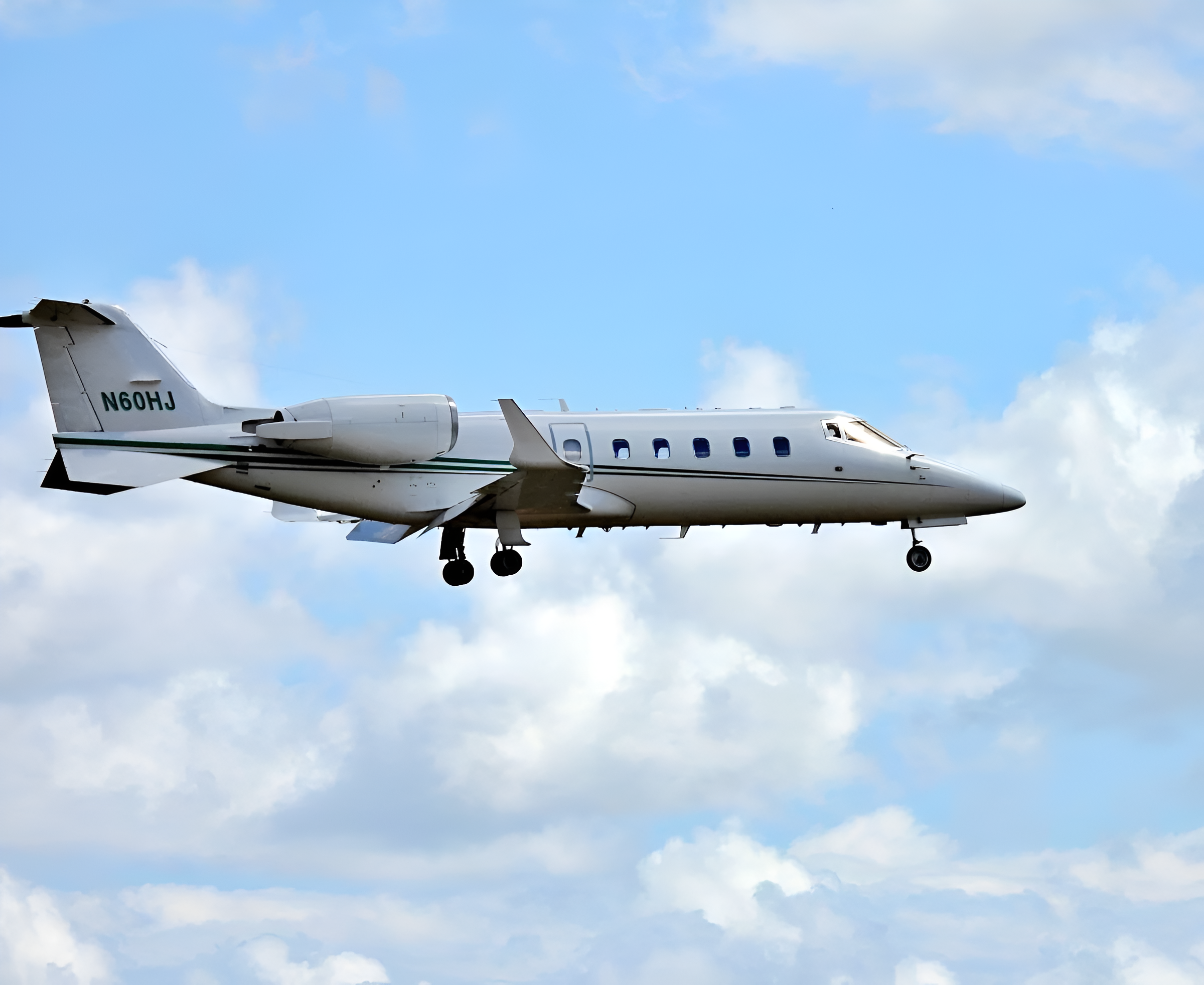
Learjet 60 Tail Control Broke Away Before Fatal Florida Impact
Three pieces of the Learjet 60’s left elevator were recovered along a debris path stretching from 1.3 to 3.8 miles from the impact site in Palm Beach County, Florida. The distance indicates that the critical pitch-control surface separated before the jet hit the ground, giving investigators a firm finding in a crash sequence that otherwise remains unresolved.
National Transportation Safety Board member Thomas B. Chapman called the elevator a “very important piece of evidence.” Investigators must now determine whether its loss contributed to the aircraft’s fatal descent or whether aerodynamic and structural forces already acting on the Learjet tore the surface away.
The jet departed Austin-Bergstrom International Airport at about 10:37 a.m. for North Eleuthera Airport in the Bahamas and crashed shortly before 1 p.m. All nine people aboard seven passengers, the captain and the copilot were killed.
Why the elevator is central to the investigation
An elevator is a movable surface on the horizontal tail that controls pitch, allowing pilots to command nose-up or nose-down movement. Losing most of the left elevator would sharply reduce the crew’s ability to arrest a dive. Chapman said the pilots could not have pulled out without the elevator intact, although he added that it might not have remained effective at the speeds involved even if it had stayed attached.
The debris locations establish that the elevator came off in flight, but location alone cannot establish what happened first. Investigators will correlate the parts’ positions with the aircraft’s altitude, speed, flight path, local winds and the distribution of other wreckage. They can also inspect broken edges for physical marks associated with a sudden overload or an earlier weakness.
A later recovery update expanded that evidence set beyond the elevator. Investigators completed their work in areas outside the main excavation site and identified portions of both wings, both engines, the flight deck, vertical and horizontal stabilizers, aileron sections and multiple flap-track assemblies. Some components were sent to NTSB laboratories in Washington for closer inspection. Comparing damage across those structures may help establish whether several parts separated during one high-load event or at different stages of the descent.
An overstress sequence remains a hypothesis
Former NTSB investigator Greg Feith said the scattered debris points to an in-flight breakup. He proposed that the Learjet’s apparent brief leveling near 8,000 feet could represent an attempt by a pilot to regain control, with the resulting loads overstressing the structure and causing components to break away. Feith also said the elevator’s relative proximity to the crater suggests a low-altitude separation.
That sequence is an expert hypothesis, not an official finding. Excessive speed can increase aerodynamic loads on the wings, tail and control surfaces, while an abrupt recovery maneuver at high speed can add further loading. An overspeed condition, however, does not automatically mean an aircraft will suffer structural failure. Investigators still need the physical wreckage and flight data to establish the loads involved and their order.
Weather is another part of the sequence
The crew reported icing and moderate turbulence at approximately 35,000 feet before the aircraft rapidly lost altitude. Federal investigators have identified weather as a major focus, but they have not determined that icing or turbulence caused the crash.
Thunderstorms can extend above normal jet cruising altitudes and expose an aircraft to updrafts, downdrafts, turbulence, hail and icing. Those conditions can rapidly alter airspeed, angle of attack and flight path, increasing demands on both the crew and flight controls. The FAA’s flight-in-icing guidance explains that icing can degrade aerodynamic performance and control, but the significance of the Learjet crew’s report depends on what accumulated, where it formed and how the emergency developed.
A cockpit voice recorder could clarify what the pilots experienced and capture cockpit warnings or system sounds. Records indicated that the Learjet was equipped with one, but investigators had not recovered it and could not confirm that it was aboard. Utility work was also delaying access to the impact crater, where additional components were expected.
The scattered elevator provides a fixed point: a major pitch-control surface left the Learjet before impact. Laboratory examinations, debris mapping and any recoverable recorder data must now answer the harder question whether that separation helped start the fatal chain or occurred after the jet was already descending under extreme forces.
| More aerospace and engineering stories, right in your MSN feed. Follow AMI on MSN |
By David Whitaker — Associate editor for AMI’s aerospace and drone systems desk, translating flight systems, aircraft programs, spaceflight, and UAV developments into accessible technical stories.