Coast Guard Opens Criminal Probe Into MSC Poesia’s Oil-Waste System
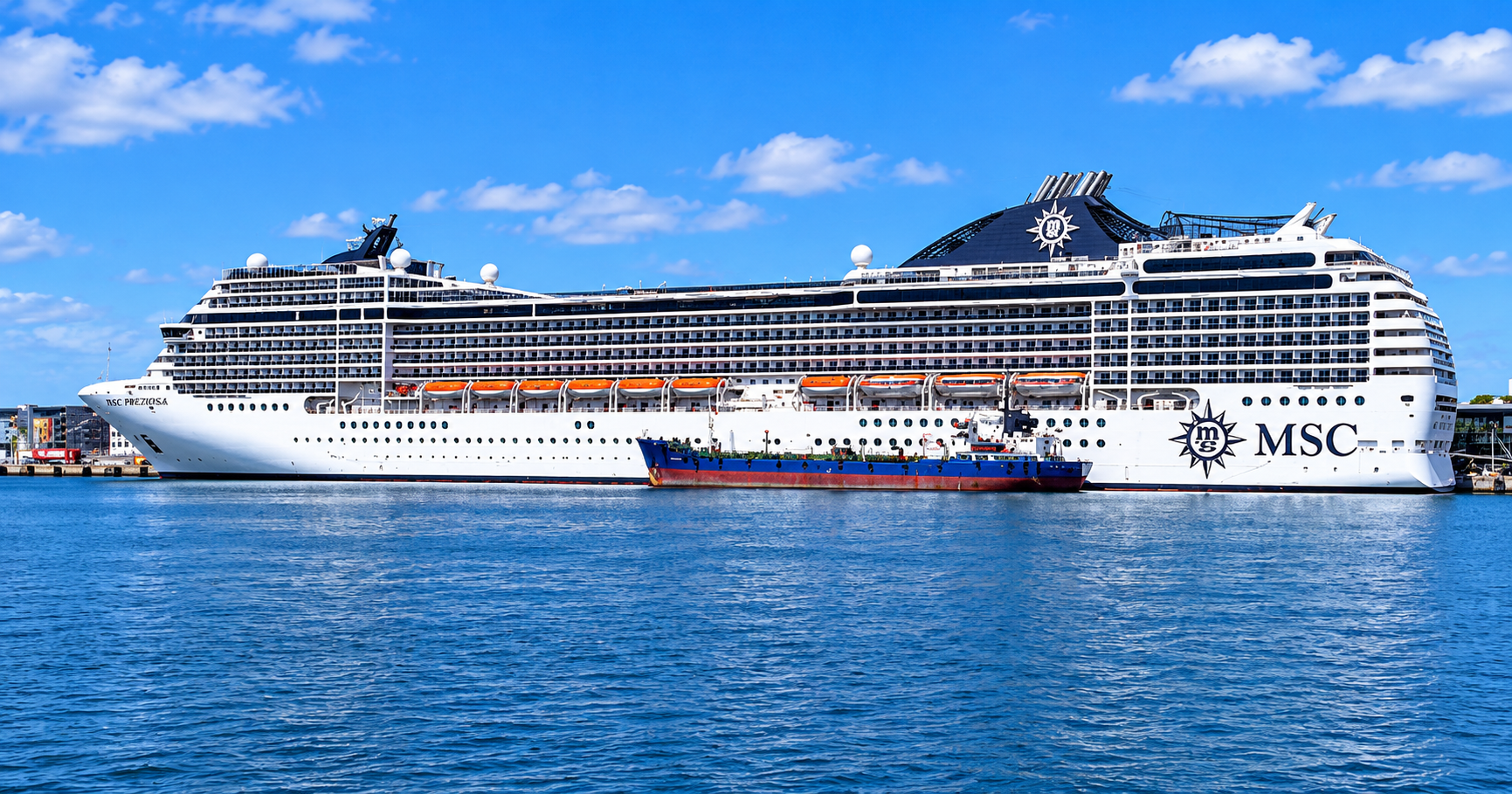
The U.S. Coast Guard has opened a criminal investigation into whether the MSC Poesia routed oily waste into its gray-water system for illegal discharge at sea, according to a U.S. official familiar with the probe. The cruise ship, which had more than 2,000 people aboard when it was detained at the Port of Miami, has since been cleared to depart while the investigation continues.
The unresolved issue is whether an arrangement commonly called a “magic pipe” connected two waste streams that are supposed to be managed differently. Investigators have not established publicly that an illegal discharge occurred, disclosed any oil volume or identified a responsible person. MSC Cruises, which operates the vessel, initially described its detention as a “regulatory matter.” No further company response was reported after the criminal investigation became public.
Why separating waste streams is central to the case
A cruise ship functions in many respects like a compact city, but its wastewater cannot be treated as one uniform output. The Environmental Protection Agency identifies gray water as wastewater from sources including showers, sinks, laundries and kitchens. Bilge water collects low in a ship’s hull and may contain oil, grease and other contaminants.
Those categories carry different environmental risks and are governed through different pollution-control pathways. Gray water may be discharged under specified offshore conditions. Moving oily waste into that stream would allow the oil to leave through a route not intended to handle it, which is why the alleged transfer is more consequential than an ordinary plumbing defect. Federal law prohibits routing oil discharge through the gray-water system.
From a systems perspective, the investigation turns on configuration control: whether the ship’s installed piping, valves and transfer arrangements matched the approved waste-handling design, and whether actual operations followed that design. A connection between systems can have legitimate maintenance or process purposes in some machinery, but an unauthorized bypass can defeat the separation on which pollution controls depend. The presence, use and purpose of any arrangement aboard MSC Poesia remain matters for investigators to determine.
The Coast Guard previously said it detained the foreign-flagged vessel after finding “identified deficiencies with systems on board the vessel.” It has authority to inspect foreign vessels entering U.S. ports. The available information does not specify those deficiencies, connect each one to the suspected waste-routing arrangement or explain what conditions were satisfied before the ship received clearance to depart.
Equipment is only one part of waste-system accountability
A technical inquiry into suspected bypassing cannot stop at the physical pipe. Shipboard environmental compliance also depends on operating procedures, maintenance practices and records that account for how waste was stored, processed or removed. The EPA’s historical review of cruise-ship pollution cases describes prosecutions involving equipment or procedures used to bypass treatment systems, sometimes accompanied by false Oil Record Book entries. That 2008 assessment provides industry context rather than vessel-specific findings or current binding requirements.
This creates distinct layers of potential responsibility. A crew member could operate equipment, engineering officers could supervise waste handling, and an owner or operator could control procedures, training and compliance systems. The U.S. official said the MSC Poesia investigation could target crew members, the vessel owner or anyone directly involved. Criminal liability would depend on the facts and conduct attributed to particular parties, not merely on employment aboard the ship.
The public tradeoff is also broader than the delay experienced by more than 2,000 people during the detention. Port-state inspections can disrupt passengers and vessel schedules, but they are one of the mechanisms available for enforcing pollution rules on foreign-flagged ships. Clearing a vessel to sail resolves its immediate operating status; it does not necessarily close a separate inquiry into past conduct, records or responsibility.
A prior case shows the possible scale, not the likely outcome
Marine-pollution violations can produce substantial criminal penalties when deliberate conduct is proven. In 2016, Princess Cruise Lines agreed to plead guilty to seven felony charges and pay $40 million in a case involving illegal dumping of oil-contaminated waste. The Justice Department called it the largest criminal penalty for deliberate vessel pollution at that time.
That prosecution is a historical benchmark, not a forecast for MSC Poesia. The Princess case involved admitted conduct and a plea agreement; the MSC matter remains an investigation with no publicly established discharge volume, charged party or proven violation. The next consequential development will be whether investigators identify a prohibited connection or discharge and can link it through records and operating responsibility to specific people or the vessel’s owner.
| More aerospace and engineering stories, right in your MSN feed. Follow AMI on MSN |
By Thomas Caldwell — AMI’s senior editor for mechanical and mobility engineering, covering vehicle electronics, systems integration, electrification, chassis systems, propulsion, and safety policy.