Abu Dhabi National Oil Company Expands Hormuz Shuttle as 20-Plus Ships Reportedly Hit
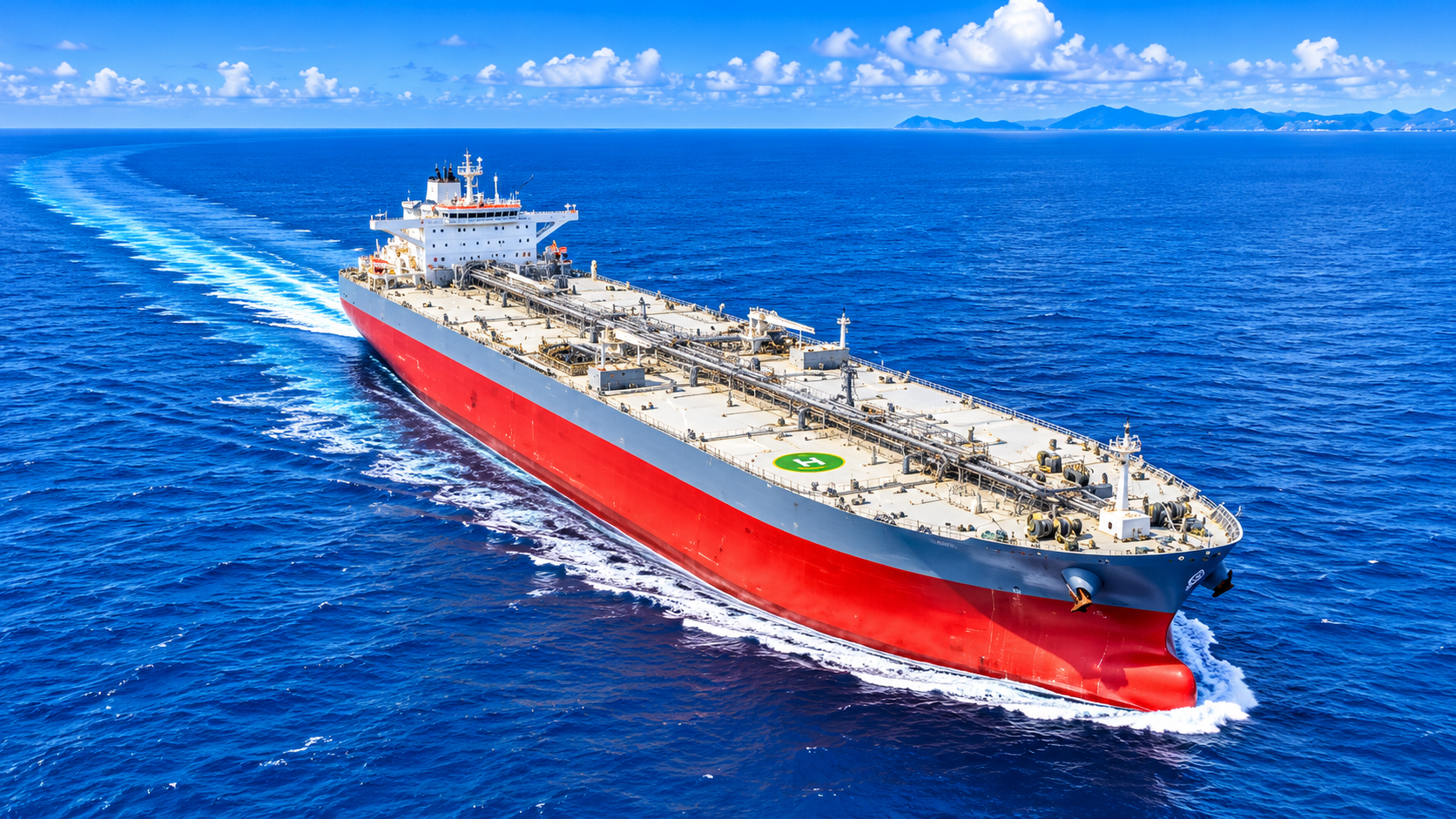
Abu Dhabi National Oil Company is expanding a tanker shuttle through the Strait of Hormuz even as the human and operational costs rise. People familiar with ADNOC’s operations said more than 20 of its vessels have been hit since April. In the latest reported incident, an ADNOC-operated vessel was struck on a Tuesday night, injuring 11 crew members and leaving one person missing.
The state-owned company’s operation began as a way to preserve the United Arab Emirates’ own oil exports. As ADNOC added vessels and accumulated experience on the route, it broadened the system into a service carrying crude for other parties. That shift has placed the company at the center of the Persian Gulf’s wartime oil trade, sustaining shipments through a corridor that other tanker operators have reportedly been reluctant to enter.
From export protection to regional logistics
The shuttle is more than a larger tanker fleet. It is a logistics network built around repeated movements through a constrained maritime corridor, moving oil out of the Persian Gulf so it can reach customers beyond the strait. ADNOC also buys discounted Iraqi crude and resells it to buyers outside Hormuz, extending the operation beyond transportation for the U.A.E.’s own production.
That model addresses a practical limitation of fixed infrastructure. Pipelines can move some Gulf crude to terminals outside Hormuz, but available bypass capacity cannot replace every barrel normally shipped through the waterway. Tankers therefore remain essential for producers without sufficient alternative routes and for cargoes that cannot readily be redirected through existing pipeline and terminal networks.
The U.S. Energy Information Administration reported that combined oil shipments through major Middle Eastern chokepoints increased 19% in the third quarter of 2026. Its energy-flow update attributed part of that recovery to smaller ships moving oil out of the Persian Gulf for transfer to larger tankers. That wider pattern helps explain the importance of a shuttle operator able to sustain repeated voyages when conventional long-haul tanker participation is limited.
ADNOC’s operation receives U.S. military protection against Iranian missiles and drones. At the system level, however, protection does not eliminate exposure. The reported tally of more than 20 damaged vessels indicates that availability depends on more than the number of ships in the fleet. Repairs, crew welfare, insurance, scheduling and replacement capacity all affect how much oil the network can move over time.
Insurance cannot solve the crew problem
War-risk coverage can put a financial price on hull damage and other losses, but it cannot make a voyage acceptable to every shipowner, master or crew. S&P Global reported in March that some additional war-risk premiums had reached roughly 10 times prewar levels, while operators remained wary of Hormuz transits because of crew safety concerns. In some cases, obtaining coverage still did not lead an operator to send a vessel through the strait.
That distinction exposes the shuttle’s central constraint: ships can be purchased, chartered, insured and repaired, but qualified crews must still accept repeated operation in a high-risk area. The latest reported injuries and missing crew member make that constraint immediate rather than theoretical.
The International Maritime Organization’s council reinforced the same human-factors issue during its November 2-6 session. In an official statement on threats to commercial shipping, the council said seafarers must be protected in geopolitical disputes over which they have no control. The IMO said at least 130 attacks against commercial vessels in the region had been verified and thousands of seafarers were at risk.
ADNOC’s larger fleet gives the Gulf oil system more operating flexibility, and the shuttle helps bridge the gap between constrained pipeline routes and buyers outside Hormuz. Yet every additional voyage adds exposure for vessels and crews. With more than 20 ADNOC ships reportedly hit since April, the service keeping crude in motion is also demonstrating how quickly logistics capacity can become a safety and personnel problem.
| More aerospace and engineering stories, right in your MSN feed. Follow AMI on MSN |
By Thomas Caldwell — AMI’s senior editor for mechanical and mobility engineering, covering vehicle electronics, systems integration, electrification, chassis systems, propulsion, and safety policy.