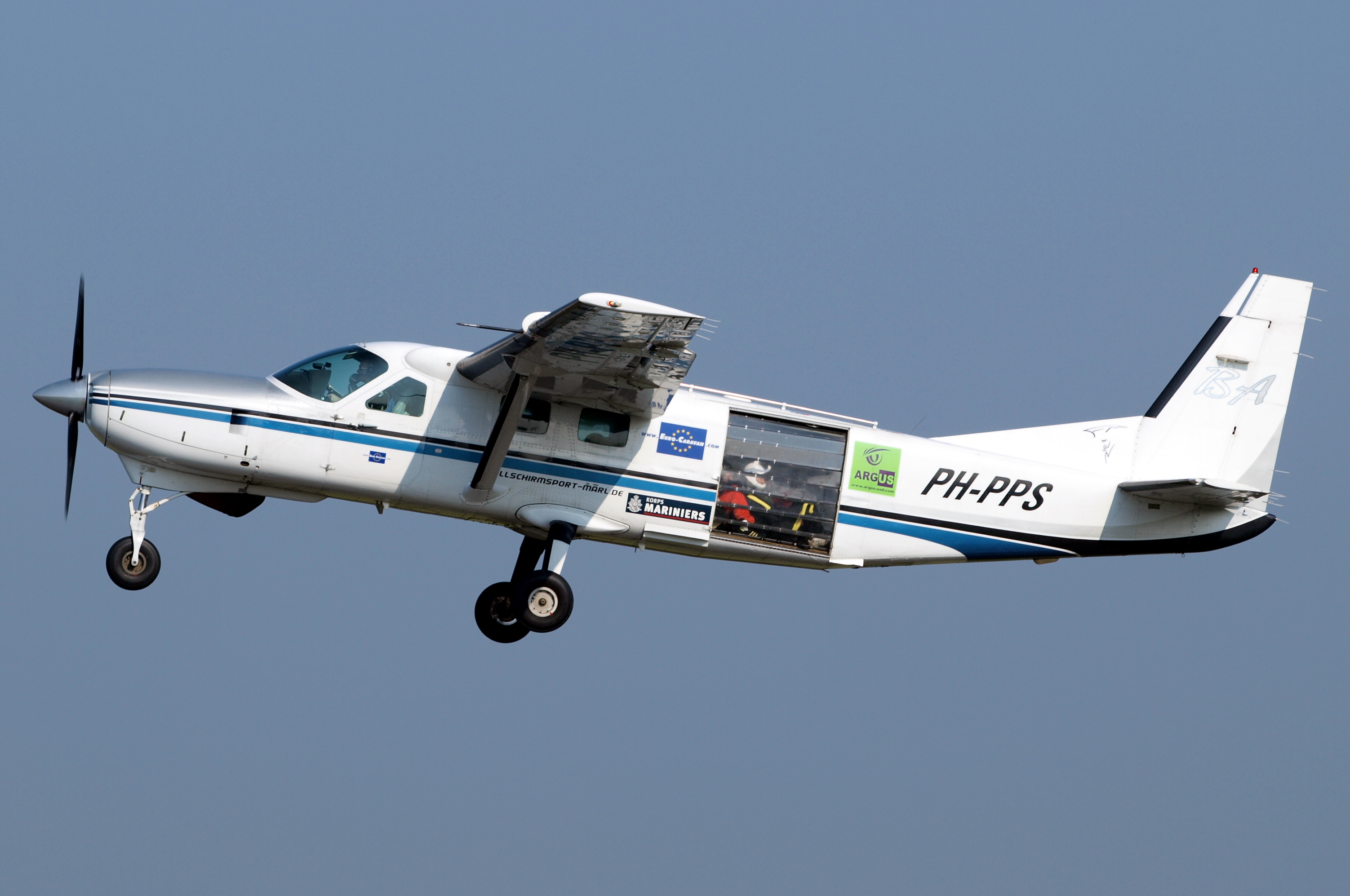
Investigators Find Improper Maintenance Caused Fatal Kamaka Air Cessna Crash
Improper maintenance disconnected one wing flap on a Kamaka Air Cessna 208B, producing an uncontrollable roll shortly after takeoff and killing both pilots, the National Transportation Safety Board concluded in findings published November 20, 2026. The defect was hidden from a normal preflight inspection, while related flap-tension discrepancies were subsequently found in four of six other Kamaka Air Cessna 208-series aircraft checked.
The accident occurred on December 17, 2024, after aircraft N689KA departed Daniel K. Inouye International Airport in Honolulu for an instructional flight. Flight instructor Preston Kaluhiwa, 26, and pilot Hiram deFries-Saronitman, 24, died when the aircraft struck an unoccupied building near the airport and caught fire. The flight was scheduled to travel to Lanai for maneuvers and practice instrument approaches as part of Kamaka Air’s second-in-command training program.
A control problem created inside the aircraft
The investigation traced the loss of control to incorrect adjustment of the wing-flap system. Abnormal preload the internal force present before normal operating loads are applied bent and ultimately fractured the left flap interconnect rod during flight. Once that rod broke, the left flap was no longer held in its intended relationship with the right flap.
Analysis placed the right flap at approximately 20 degrees and the left flap near five degrees shortly before impact. That 15-degree difference created a strong rolling tendency to the left. The aircraft reached only about 350 feet above ground, leaving little altitude in which to diagnose the condition, change the aircraft’s configuration or recover. The flight instructor told air traffic control, “we are…we have…we are out of control here.”
Investigators found no engine defect that would have prevented normal operation. The physical damage to the left interconnect rod was consistent with abnormal stress in the flap system, directing the investigation away from propulsion and toward the unequal aerodynamic condition across the wings.
The location of the damaged parts was a critical human-factors boundary. Pilots conduct a preflight inspection to identify visible damage, incorrect configuration and other observable problems, but the affected components would not have been visible during a normal inspection. The crew therefore had no identified external cue that the system was carrying abnormal internal tension before takeoff.
The maintenance process was the larger safety barrier
About 10 weeks before the crash, the Cessna’s primary flap motor had been replaced after a report that the flaps failed to retract following a landing. The work was performed at night and away from Kamaka Air’s maintenance base. Records did not contain a detailed account of the repair, and investigators considered it unlikely that every prescribed flap-system check had been completed.
The NTSB could not determine whether the incorrect adjustment was introduced during that motor replacement or at an earlier time. Its finding instead rests on the condition of the system and the checks intended to control that risk: properly completed procedures likely would have detected and corrected the abnormal cable tension before the rod fractured.
For an operator conducting flights under federal commercial-aircraft rules, an approved maintenance program is a system of procedures, records, responsibilities and inspections rather than a single repair instruction. Federal requirements for these operators are set out in Part 135 maintenance regulations. The investigation identified Kamaka Air’s failure to follow its approved program, together with inadequate mechanic training and supervision, as contributing factors.
Mechanics told investigators that Kamaka Air had no formal mechanic training program and that personnel generally learned by working alongside other staff. That approach can pass along practical experience, but without formal qualification and verification it can also allow an incorrect practice or an omitted check to persist. The safety function of supervision is to ensure that maintenance performed under difficult conditions such as remote, nighttime work still receives the required inspection and documentation.
Fleet checks widened the concern
The strongest indication that the problem extended beyond one aircraft came after the accident. Incorrect flap-system tension was found in four of the six other Kamaka Air Cessna 208-series aircraft inspected. The airline corrected those discrepancies, while the report said some work arising from Federal Aviation Administration scrutiny remained underway as of June 2026.
Kamaka Air said it cooperated with the investigation and would review the findings, but declined further comment because of ongoing legal matters. The NTSB’s probable-cause determination is a safety finding rather than a judgment of criminal responsibility or civil liability.
The four additional aircraft did not establish that another failure was imminent, but they showed why the accident could not be treated as an isolated broken component. The final finding links the fatal outcome to the maintenance system around that component: required adjustment checks, complete records, formal training and effective supervision were the barriers meant to prevent a hidden defect from reaching the runway.
| More aerospace and engineering stories, right in your MSN feed. Follow AMI on MSN |
By Thomas Caldwell — AMI’s senior editor for mechanical and mobility engineering, covering vehicle electronics, systems integration, electrification, chassis systems, propulsion, and safety policy.