Tiny Seal Forces $5,600 Tesla Model S Drive-Unit Rebuild
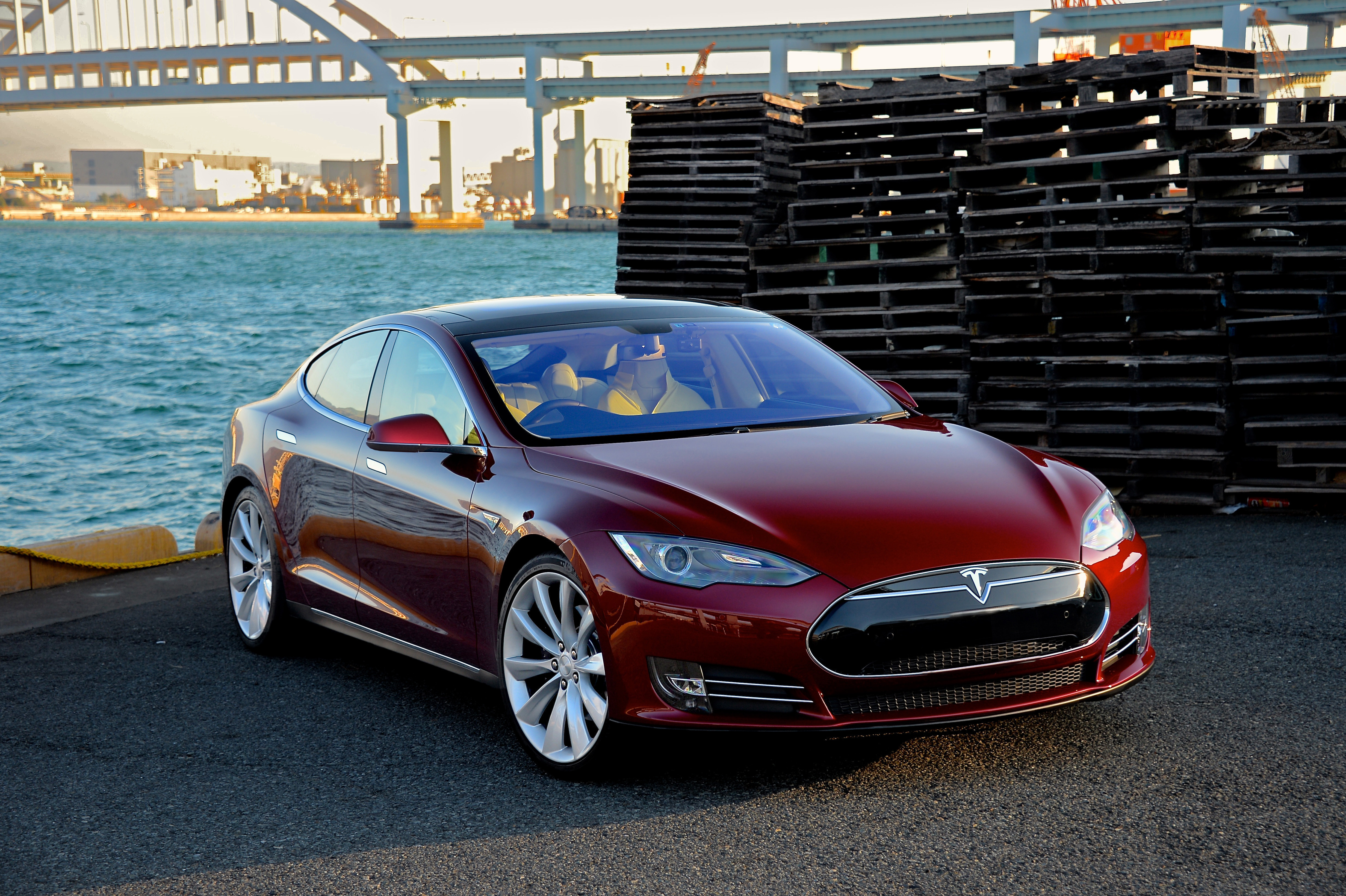
A deteriorated internal coolant seal reportedly turned an unexplained noise in a 2014 Tesla Model S P85 into a rear-drive-unit rebuild costing approximately $5,600 before tax. The car had covered about 150,000 miles, yet its battery still showed 82% remaining capacity a sharp contrast between a serviceable high-voltage pack and a small component that threatened another major assembly.

The first indication was mechanical rather than electronic. The rear drivetrain produced whining and grinding that became louder under acceleration, but no dashboard warning lights appeared. A specialist workshop initially suspected a gearbox bearing and had to remove and dismantle the complete rear drive unit before identifying the reported failure chain.
Inside the assembly, technicians separated the gearbox, electric motor and inverter. They found corrosion around the motor’s cooling passages and concluded that coolant had escaped past a deteriorating seal. The fluid had reached a motor bearing and apparently washed away its lubricating grease, leaving the bearing damaged and noisy.
Why a small seal led to a major repair
The seal itself was only the initiating component. Its location inside an integrated drive unit made diagnosis and access far more consequential than replacing an external hose or gasket. The affected assembly combined the motor, reduction gearbox, inverter connections, cooling circuit and high-voltage interfaces in the rear of the vehicle.
Tesla’s published large rear drive-unit replacement procedure illustrates the surrounding work. It calls for high-voltage isolation, disconnection of coolant and electrical interfaces, removal of rear underbody components and lowering of the rear subframe before the unit can be separated. That integration helps explain why labor and handling dominated the bill even though the workshop rebuilt the original assembly rather than installing a replacement unit.
The quoted bearing kit cost £1,250. Removal, rebuilding and reinstallation added £3,000, bringing the total to £4,250 plus value-added tax, described as approximately $5,600 before tax. The expense therefore reflected much more than the damaged bearing: technicians had to extract the drive unit, open it, correct the source of the coolant intrusion and return the complete propulsion system to service.
The early Tesla Large Drive Unit in this case circulated coolant through the motor rotor. According to the mechanic, later Tesla drive units removed that rotor-cooling arrangement, eliminating leakage through this particular seal path. The workshop also had encountered another Tesla unit where coolant progressed far enough to reach the inverter and cause more extensive damage.
The original drive unit remained repairable
For this Model S, the noise led to intervention before the reported leak produced wider electrical damage. Technicians replaced the damaged bearings, installed upgraded seals, cleaned the gearbox and renewed its oil. They then reassembled the unit, refilled the cooling system and reinstalled the propulsion assembly. A road test confirmed that the previous whining noise was gone.
The case does not establish a failure rate for early Model S vehicles, but it does show the diagnostic challenge posed by an internal coolant leak without a dashboard alert. The audible change under load became the useful symptom, while the actual cause remained inaccessible until the drive unit was out of the car and dismantled.
It also complicates the common assumption that the traction battery will necessarily determine the useful life or largest repair exposure of an older electric vehicle. At roughly 150,000 miles, this car’s battery-health check still indicated 82% capacity. The immediate threat to continued operation instead came from a seal, a bearing and the labor required to reach them.
Early detection preserved an important option: rebuilding the original rear drive unit rather than replacing it after coolant caused more extensive electrical damage. In this case, the difference between a repairable assembly and a potentially larger failure was a drivetrain noise that the car’s onboard warnings never reported.
| More aerospace and engineering stories, right in your MSN feed. Follow AMI on MSN |
By Thomas Caldwell — AMI’s senior editor for mechanical and mobility engineering, covering vehicle electronics, systems integration, electrification, chassis systems, propulsion, and safety policy.