Ukrainian Drone Strikes Reportedly Cut Russian Refining 45%, Widening Fuel Limits
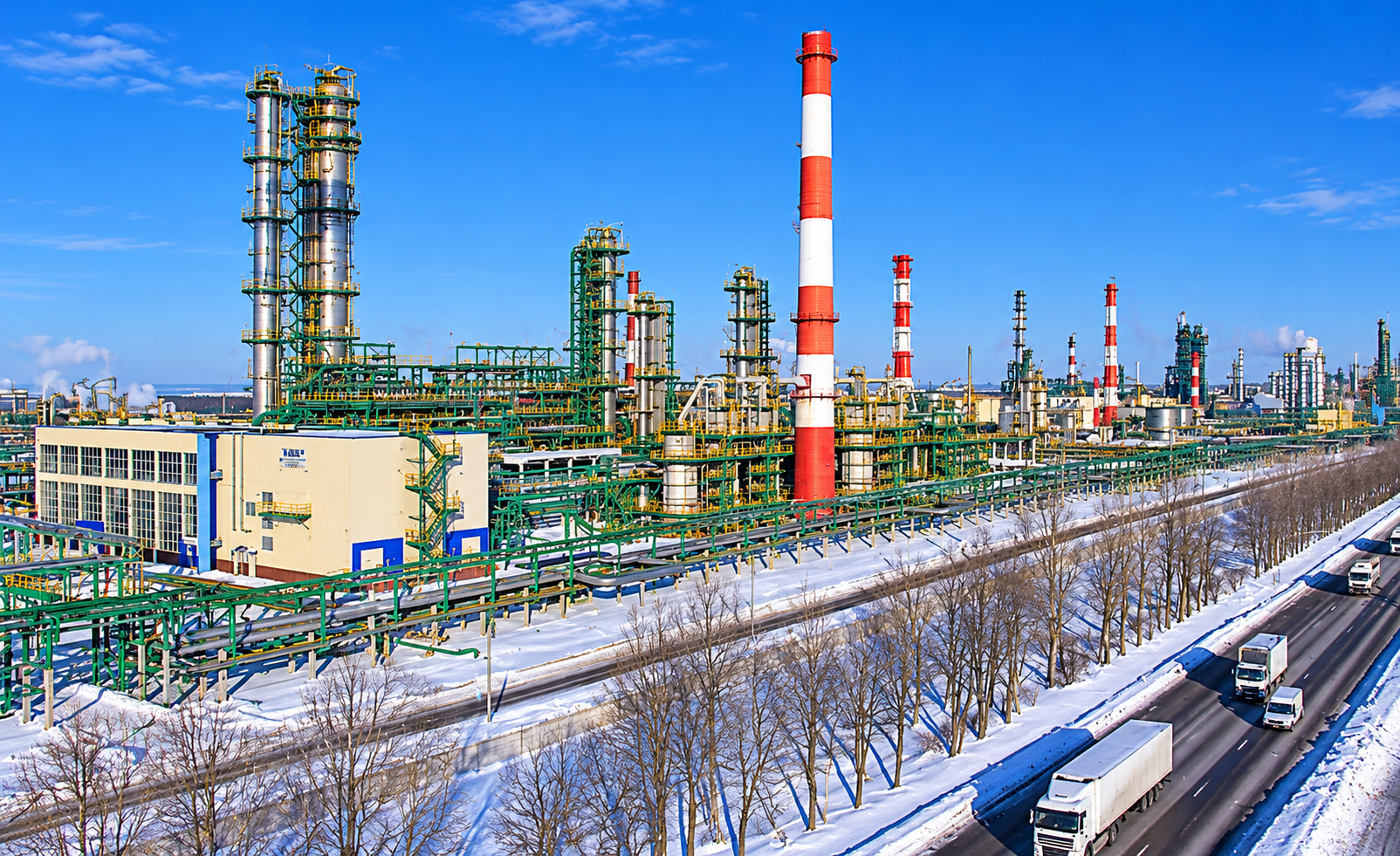
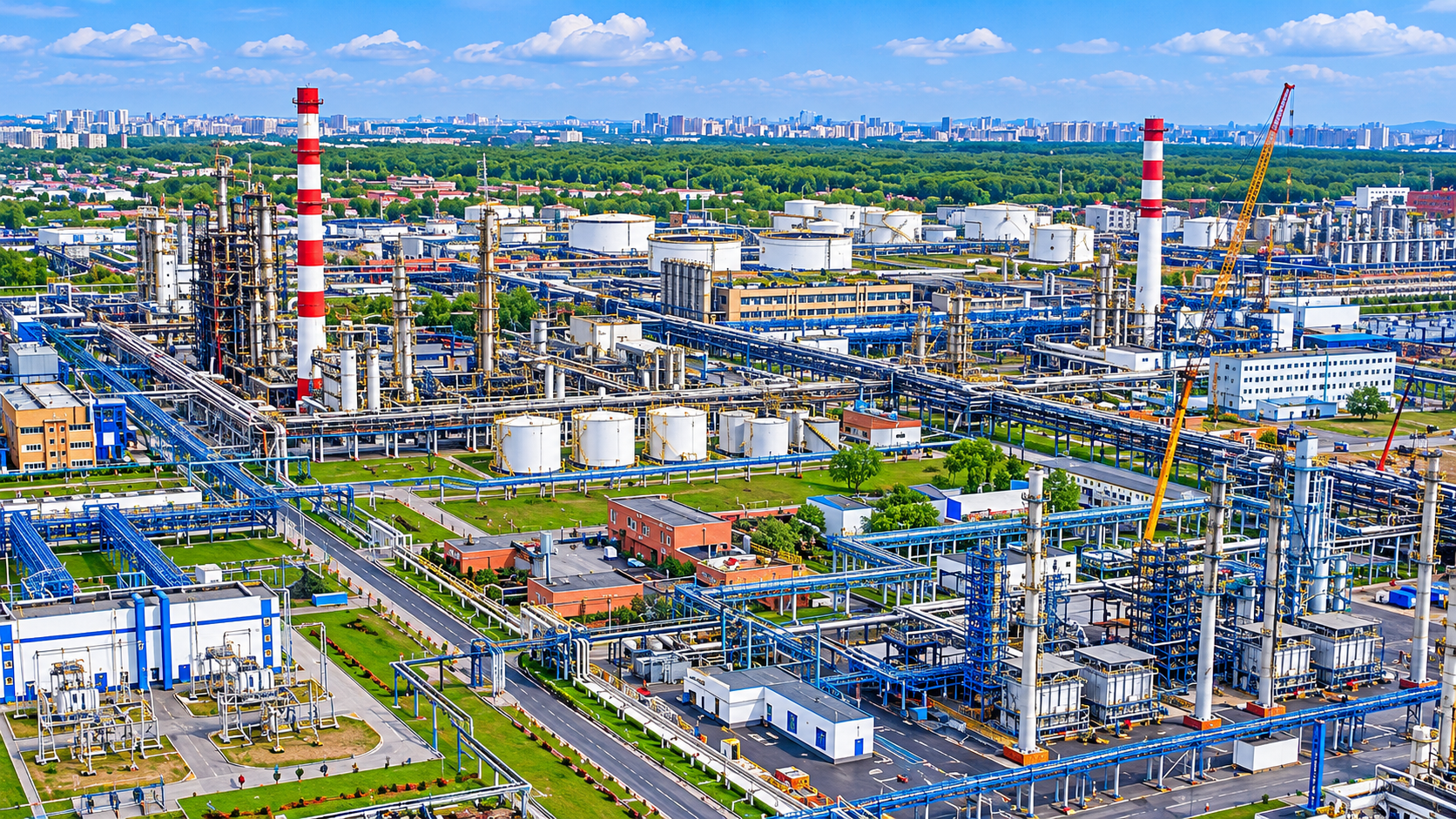
A reported 45% decline in Russian refinery processing is now reaching motorists through purchase limits, queues and reduced fuel availability. Industry estimates cited by Reuters indicate that Ukrainian drone attacks cut Russia’s combined crude-processing rate from more than 700,000 metric tons per day in late October to about 400,000 tons per day, or roughly 3 million barrels per day.
By November 20, more regions were restricting retail sales. Tomsk capped gasoline purchases at 30 liters and diesel at 50 liters, while Penza set respective limits of 50 and 200 liters per vehicle. At some filling stations in Sevastopol, in Russian-annexed Crimea, customers were limited to one full vehicle tank plus 20 liters in containers. At least six other regions had introduced restrictions earlier in November.
Why a processing decline becomes a retail shortage
Crude production and fuel availability are different measures. Oil must pass through refineries before it becomes gasoline, diesel and other usable products. A country can continue producing or exporting crude while experiencing shortages of particular refined fuels if processing equipment, storage, pipelines, rail links or road distribution cannot maintain the required flow.
The 45% figure describes the estimated change in the combined daily processing rate since late October, not a 45% loss across every refinery or a full-month production decline. The same industry estimates placed average November processing above 500,000 tons per day, only 5% to 10% below September and October averages. That gap reflects the timing of the disruption: a sharp late-period decline can be much larger than the month’s average reduction.
Fifteen of Russia’s 35 major refineries had reportedly experienced disrupted or halted operations, up from nine in the middle of the previous week. Their combined nominal capacity represented about 54% of Russia’s estimated primary refining capacity. Nominal capacity is not the same as actual lost output, because facilities may operate partially, shift workloads or return equipment after repairs. Even so, simultaneous interruptions across multiple plants reduce the network’s ability to compensate by redirecting crude and finished products.
Downstream fuel systems depend on coordinated flows among refineries, terminals, storage depots and regional markets. When processing falls, operators must decide which products and destinations receive limited output. Existing inventories can delay the consumer impact, but uneven storage and transport capacity mean shortages need not appear everywhere at once. Regional purchase caps can slow inventory depletion and discourage unusually large container purchases, but they also signal that normal replenishment is no longer keeping pace with local demand.
Sevastopol’s Russia-installed governor, Mikhail Razvozhayev, said its limits were intended to stop customers from filling containers with hundreds of liters, creating queues and preventing other motorists from obtaining fuel. Crimea already had rationing before strikes that week knocked out the road section of the bridge connecting the region with Russia, adding a separate distribution constraint to the existing supply pressure.
A major exporter is turning to controls and imports
The broader tension is that Russia normally exports substantial volumes of refined fuel. During summer shortages, however, it imported fuel including supplies from India after high seasonal demand and earlier refinery attacks tightened domestic availability. Importing finished products can help replace lost processing, but it reverses the normal direction of trade and adds transport, scheduling and allocation demands.
Exports provide another adjustment point. Russia had already planned to extend a diesel export ban through the end of 2026 while using quotas for selected shipments under a supply agreement involving the United States and other markets. Lower refinery output leaves less diesel available to divide between domestic demand and those permitted exports.
October data show how uneven that adjustment can be. The Centre for Research on Energy and Clean Air found that Russian seaborne oil-product export volumes fell 8% from September even as oil-product export revenue rose 4%. Diesel loadings increased from the previous month, but Russia’s wider export recovery remained inconsistent across products and ports.
The drone campaign also creates a continuing readiness and industrial-capacity burden without requiring every attack to produce a complete shutdown. Repeated disruptions can force inspections, repairs and operating changes across several facilities at once, while authorities must also protect a geographically distributed energy network. The reported figures come from two industry sources, and Russia’s Energy Ministry did not respond to Reuters’ request for comment.
For motorists, the immediate consequence is measured in liters at the pump. For the wider fuel system, the harder constraint is allocation: every reduced refinery run leaves less finished product to distribute among regional stations, domestic reserves and export commitments.
| More aerospace and engineering stories, right in your MSN feed. Follow AMI on MSN |
By Stephen Wallace — Editor for AMI’s aerospace integration and unmanned mobility coverage, focused on drone manufacturing, VTOL systems, autonomous networks, and air-ground mobility links.