Ukraine Seeks 40 More F-16s as Europe’s Ready-to-Fly Surplus Runs Thin
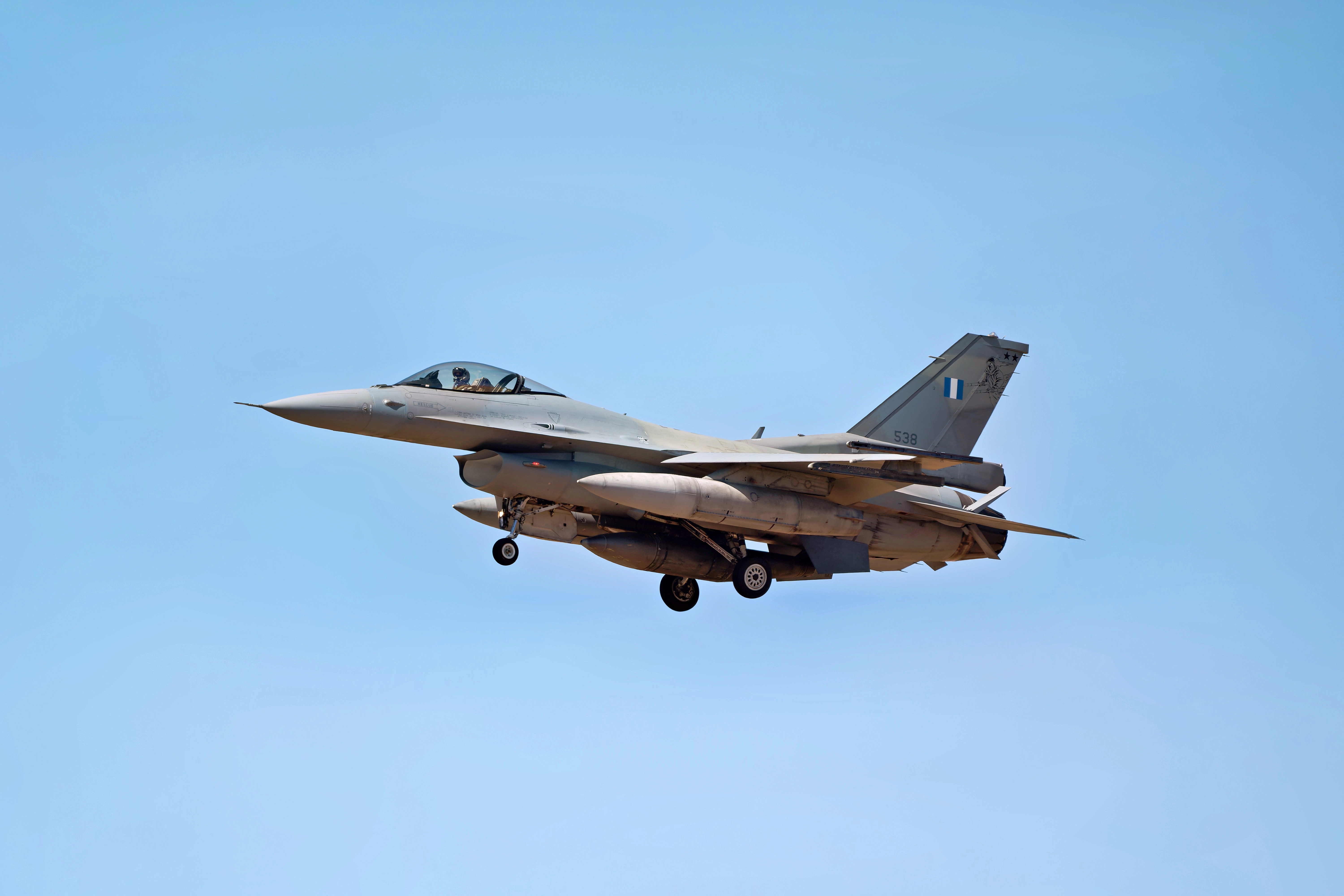
Ukraine has more F-16s promised than it can expect to put into service soon. President Volodymyr Zelenskyy requested 40 additional fighters during the Ukraine Defense Contact Group meeting on November 17, saying the existing aircraft spend substantial time under repair. Yet the remaining European pool of transferable F-16s is small, and several pledged jets cannot leave donor fleets until replacement aircraft arrive.

The immediate constraint is availability, not the headline pledge total. Ukraine is estimated to operate about 31 of the 36 secondhand F-16s delivered by the Netherlands and Denmark, after five aircraft were reportedly lost in crashes or to enemy fire. Over the next several months, its fleet may remain below 50 F-16s and roughly half could be unavailable for maintenance on a typical day.
The F-16s we have now the ones shooting down Russian Shaheds and missiles spend a lot of time being repaired instead of flying, Zelenskyy told the group. “So we need more fighter jets. More F-16s.”
That gap illustrates why aircraft inventories and operational capacity are different measurements. A fighter undergoing overhaul, awaiting parts or moving through a donor’s release process still appears in a pledge, but it does not add a ready aircraft to the receiving fleet. Older secondhand jets also arrive with maintenance histories and remaining service life that must be assessed and managed rather than reset by the transfer.
More than 100 pledged does not mean 100 available
The commitments look substantial when added together. Norway is expected to send six F-16s after the 1980s-vintage aircraft are overhauled. Denmark has promised another seven, while Belgium has pledged 53, including 10 planned for delivery by the end of 2026. Including aircraft already supplied, the total could reach 102, or 97 after the five reported losses.
But that arithmetic compresses a multiyear delivery program into a single number. Belgium’s final aircraft may not arrive until as late as 2029 because it must receive enough F-35s to replace the F-16s being released. The donor therefore faces its own readiness calculation: transferring an aircraft early can reduce the capacity of the air force giving it away.
This replacement dependency is one reason the European surplus has narrowed. The Netherlands completed delivery of its 24 pledged aircraft and transferred other retired jets to a training center in Romania. Norway retired its operational F-16 fleet in 2022, sold 32 aircraft to Romania and has already donated six to Ukraine. Its defense ministry told Breaking Defense that the remaining airframes are not considered viable for a return to operational service.
Other operators still need their F-16s for national commitments or are waiting for replacement fleets of their own. Portugal has ruled out a transfer, while Greece has retained its aircraft and concentrated on training Ukrainian pilots and technicians. Poland and Romania also depend on their current fighter inventories. An aircraft may be technically transferable but unavailable without creating a shortage elsewhere.
Maintenance determines the usable fleet
Ukraine’s request for 40 additional aircraft would create depth around the jets undergoing scheduled work or repairs. Fighter fleets always require a portion of their aircraft to be on the ground, but the burden becomes more visible in a relatively small fleet assembled from used aircraft supplied by several countries.
Common aircraft type does not eliminate the support work behind each transfer. Retired fighters may need reactivation, inspection or modernization before delivery. Donors also need to release spare parts and support equipment, train personnel and obtain any required third-party transfer authorization. Those steps govern when a pledged airframe becomes a sustainable operational asset.
Europe has virtually no remaining surplus of Soviet-designed Sukhoi or MiG fighters to offer as a quick substitute. A few dozen F-16s and Mirage 2000-5Fs may remain in potential surplus pools, but most owners are reluctant to release them. Belgium’s 10 near-term aircraft and two additional French Mirage fighters provide a defined increment, not the 40 F-16s Ukraine requested.
Ukraine expects 16 used Saab Gripen C/D fighters early next year, but newly ordered Gripen E/Fs and Dassault Rafales are not expected before 2028 or 2029. Those programs can broaden the future fleet, although they do not solve the immediate F-16 availability gap. For the next several months, Ukraine’s usable fighter capacity will be set less by the number promised on paper than by how many aging aircraft complete overhaul, arrive with support in place and remain out of maintenance on a given day.
| More aerospace and engineering stories, right in your MSN feed. Follow AMI on MSN |
By David Whitaker — Associate editor for AMI’s aerospace and drone systems desk, translating flight systems, aircraft programs, spaceflight, and UAV developments into accessible technical stories.