Reported Six-Hour Ukrainian Attack Suspends Russia’s Novoshakhtinsk Oil Refinery
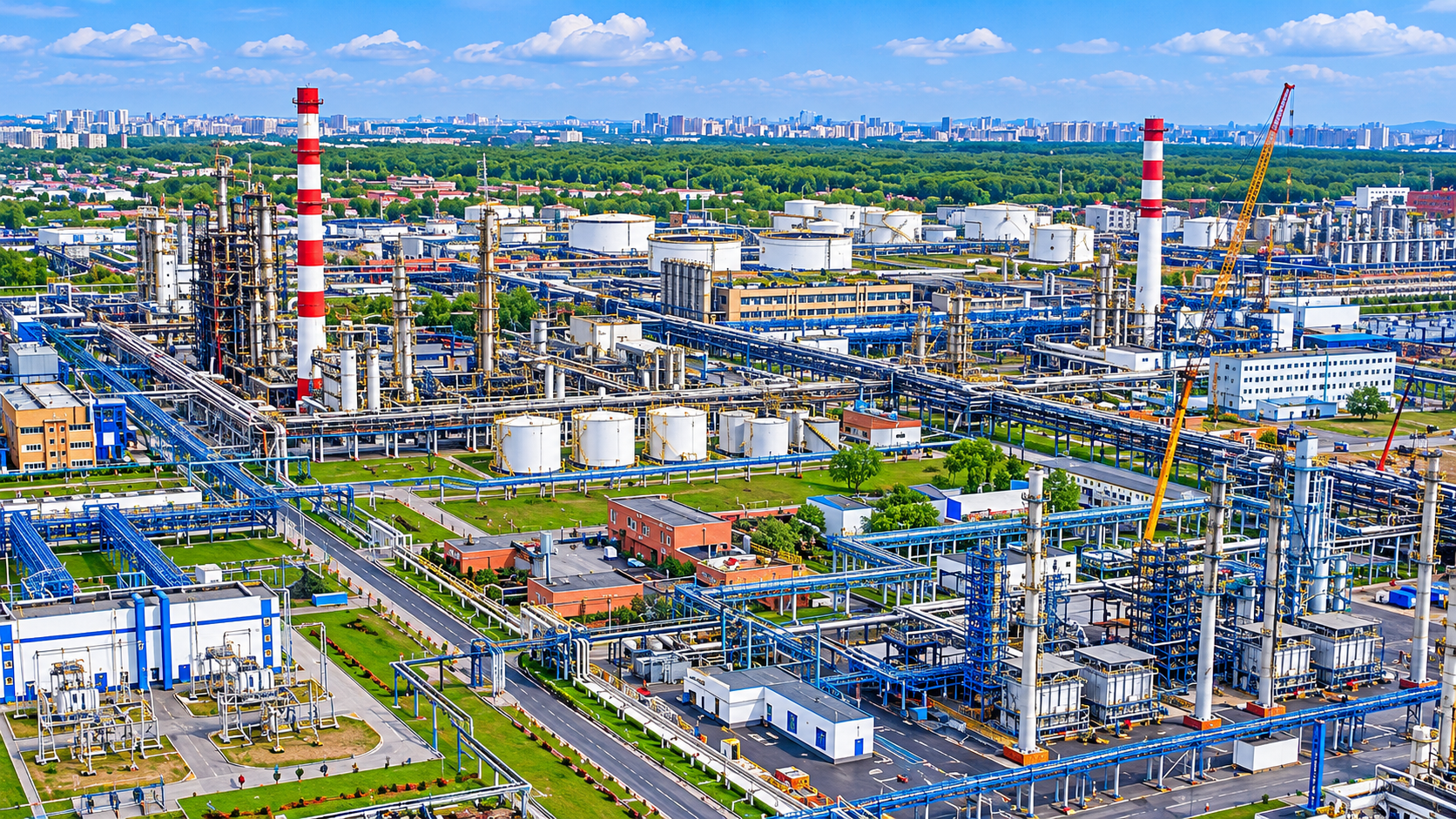
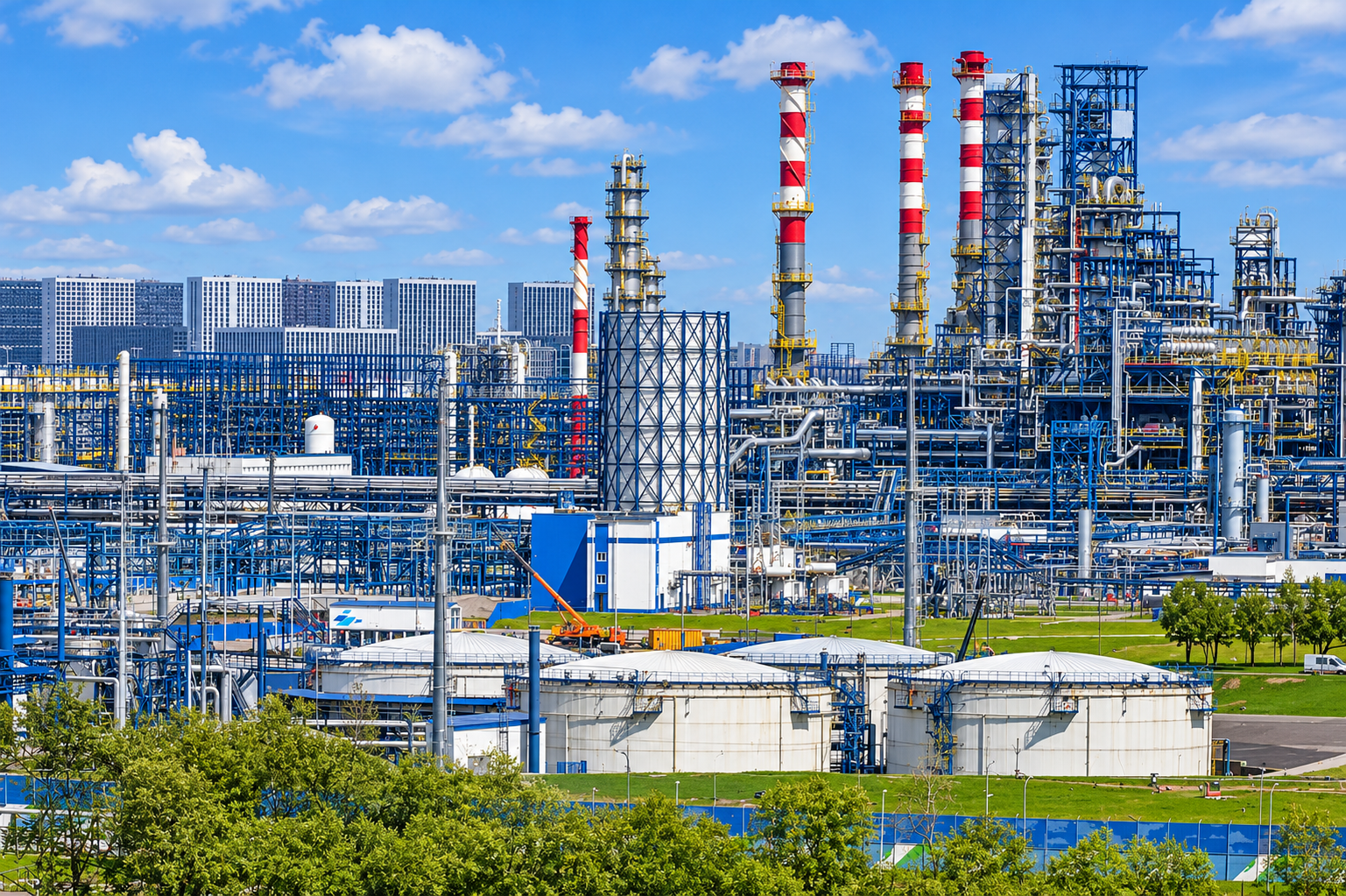
A reported six-hour Ukrainian drone and missile attack forced the Novoshakhtinsk oil refinery in Russia’s Rostov region to suspend operations, according to regional Governor Yury Slyusar. Emergency services were working at the facility, but officials did not disclose the damage, lost processing capacity or an expected reopening time.
The shutdown is the clearest confirmed industrial consequence from the reported attack: an operating refinery became unavailable, at least temporarily. Slyusar said more than 80 drones were intercepted or suppressed over Kamensk-Shakhtinsky and eight districts in the region. Residents of Novoshakhtinsk reported explosions and a large fire, but those accounts do not establish which refinery systems were affected or how extensive any repairs might be.
A shutdown is significant, but its scale remains unknown
Refinery disruption is measured less by the drama of the initial event than by how much processing is lost and for how long. Neither figure is available for Novoshakhtinsk. Without a throughput estimate, it is impossible to calculate how much fuel production has been removed from the regional system. Without a recovery schedule, the suspension cannot yet be classified as a brief operating interruption or a prolonged supply constraint.
The recovery path depends on the condition of the systems required to restart and sustain safe processing. Emergency response must first establish the facility’s operating status, after which operators can assess whether equipment needs inspection, repair or replacement. The evidence available does not identify the affected equipment, so a detailed restart sequence or repair estimate would be speculative.
This uncertainty also limits conclusions about fuel availability. Distribution systems can absorb some interruptions through commercial inventories, alternative production and changes in product flows. Pressure grows when processing losses persist, inventories are already constrained or transport links cannot redirect sufficient supplies. A single refinery suspension therefore creates an immediate capacity concern, but it does not by itself establish a wider shortage.
Sustained attacks create readiness and industrial pressure
The reported six-hour duration and the governor’s count of more than 80 drones intercepted or suppressed indicate an extended regional air-defense and emergency-response burden. Those figures are official Russian claims and are difficult to verify independently during the conflict. Even so, the confirmed change in the refinery’s operating status shows the industrial consequence that matters beyond interception totals: protective systems may engage incoming threats while an energy facility still loses availability.
For unmanned-systems planners and infrastructure operators, that distinction puts the focus on resilience rather than any single engagement. Defensive readiness must be maintained over time, while industrial sites need trained response teams, replacement equipment, communications and restart procedures. The International Energy Agency’s energy-resilience guidance emphasizes physical hardening, comprehensive emergency response, equipment standardization, stockpiled components and continued data collection during crises. Those measures cannot guarantee uninterrupted operation, but they can reduce restoration time after a shutdown.
Repeated large-scale drone activity also imposes an industrial-capacity contest. Air-defense networks, emergency crews and infrastructure operators must remain available across broad areas, while unmanned aircraft can generate recurring alerts and inspections. The supplied information does not establish how many aircraft reached the refinery, what caused the suspension or whether damage came from a direct impact, debris or another effect. It establishes only that officials attributed the operating halt to the six-hour attack.
Supply consequences depend on duration and available buffers
Energy systems are built around buffers because refineries can stop for many reasons, including accidents, natural hazards and geopolitical disruption. The IEA explains that emergency responses to severe oil interruptions are based on the estimated supply loss, available commercial stocks and spare production capacity. Its oil-security framework also distinguishes crude inventories from refined-product stocks; finished fuels can be more immediately useful when processing or distribution facilities are unavailable.
No information has been disclosed about inventories, substitute refining capacity or product rerouting around Novoshakhtinsk. Those missing figures not the number of reported explosions will determine whether the event remains a contained plant interruption or develops into a broader fuel-processing problem. The next meaningful milestone is therefore an official capacity assessment or restart schedule. Until one appears, the refinery is suspended and the duration of that lost availability remains the central unresolved consequence.
| More aerospace and engineering stories, right in your MSN feed. Follow AMI on MSN |
By Stephen Wallace — Editor for AMI’s aerospace integration and unmanned mobility coverage, focused on drone manufacturing, VTOL systems, autonomous networks, and air-ground mobility links.