Reported Ukrainian Attack on Lukoil Volgograd Refinery Brought Queues as Russian Processing Fell 45%
Russia’s combined refinery processing had fallen 45% since late October by Nov. 20 amid repeated Ukrainian drone attacks, industry sources told Reuters. Fuel-sale restrictions had also spread to Crimea, Tomsk, Penza and other regions. That nationwide deterioration raises the stakes around the Nov. 13 reported attack on Lukoil’s Volgograd refinery, which was followed locally by long fuel queues and a 50-kopeck overnight increase for some grades.

The 45% figure covers combined Russian crude-processing volumes rather than the Volgograd plant alone. No confirmed measure of capacity lost at Volgograd or restart schedule has been provided. The newer national data nevertheless show that the queues appeared within a refining network that had substantially less output available to absorb another interruption.
Volgograd Region Governor Andrei Bocharov attributed the incident to falling drone debris and reported “local fires” at an industrial site in southern Volgograd. Astra, relying on material posted by residents, reported that the refinery itself was burning in several areas. Local outlet V1.ru subsequently reported queues at filling stations and the 50-kopeck increases at branded stations.
Queues measure immediate demand, not refinery damage
A filling-station queue can emerge through physical scarcity, precautionary buying or both. If motorists refuel earlier than normal, retail tanks empty faster even before reduced refinery production has worked through storage terminals and scheduled deliveries. Stations then face a short-term mismatch between the rate at which fuel is sold and the rate at which it can be replenished.
Reuters reported that some of the later regional sales caps were intended to stop customers from filling large containers and worsening queues. Crimea limited purchases at some stations to one full vehicle tank plus 20 liters in containers. Tomsk capped gasoline and diesel purchases at 30 and 50 liters respectively, while Penza limited gasoline to 50 liters and diesel to 200 liters per vehicle.
Research on fuel purchasing helps explain why visible queues can become part of the disruption. A 2026 study using hourly Hungarian transaction and online-media data found that buying surges generally generated media activity more strongly than news coverage generated purchases. Individually shared posts had a greater measurable effect than conventional articles in that market. Hungary’s pricing rules and supply system differed from Volgograd’s, but the study illustrates how motorists observing other motorists can amplify demand under uncertainty.
Volgograd’s scale makes its status consequential
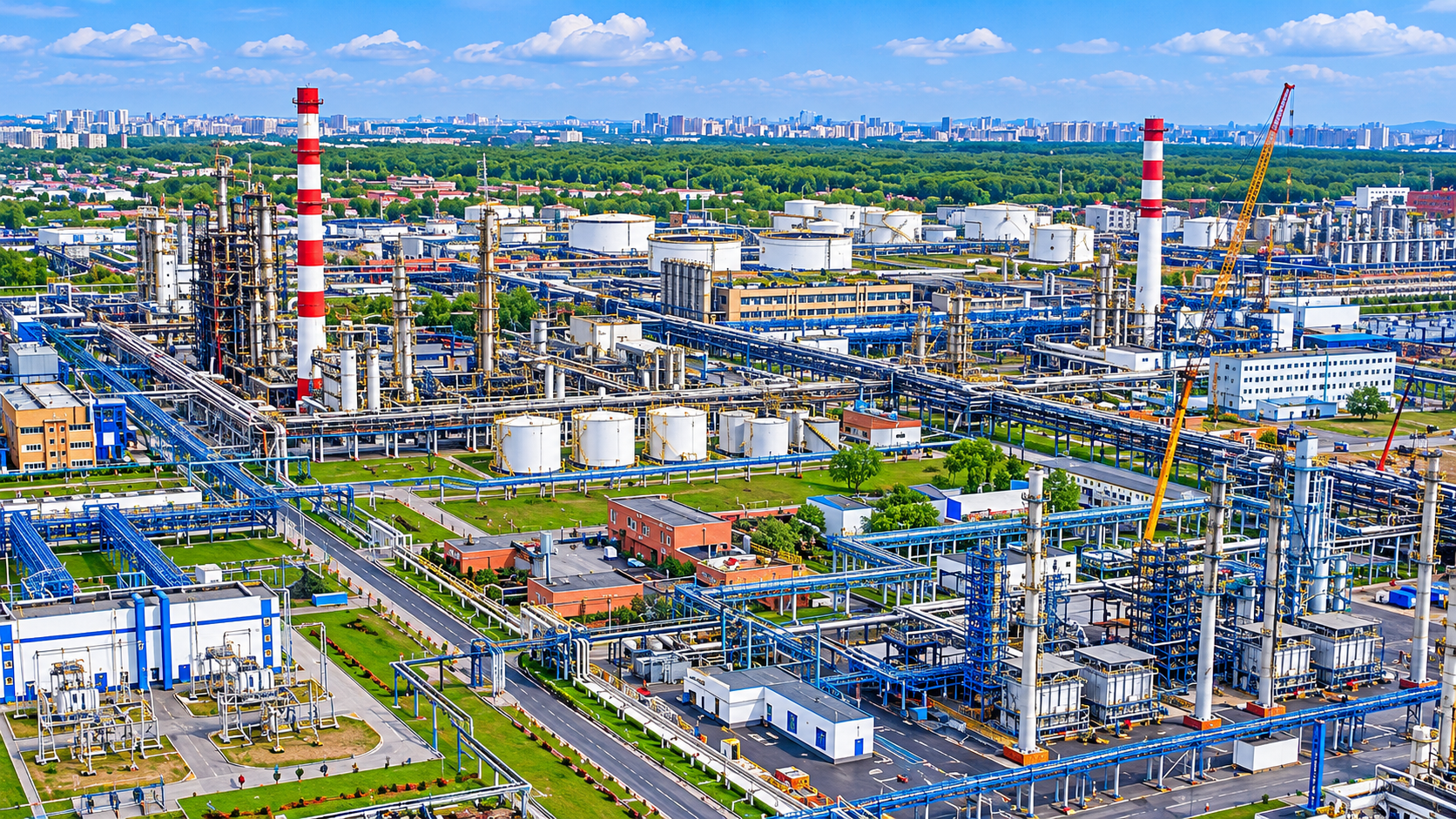
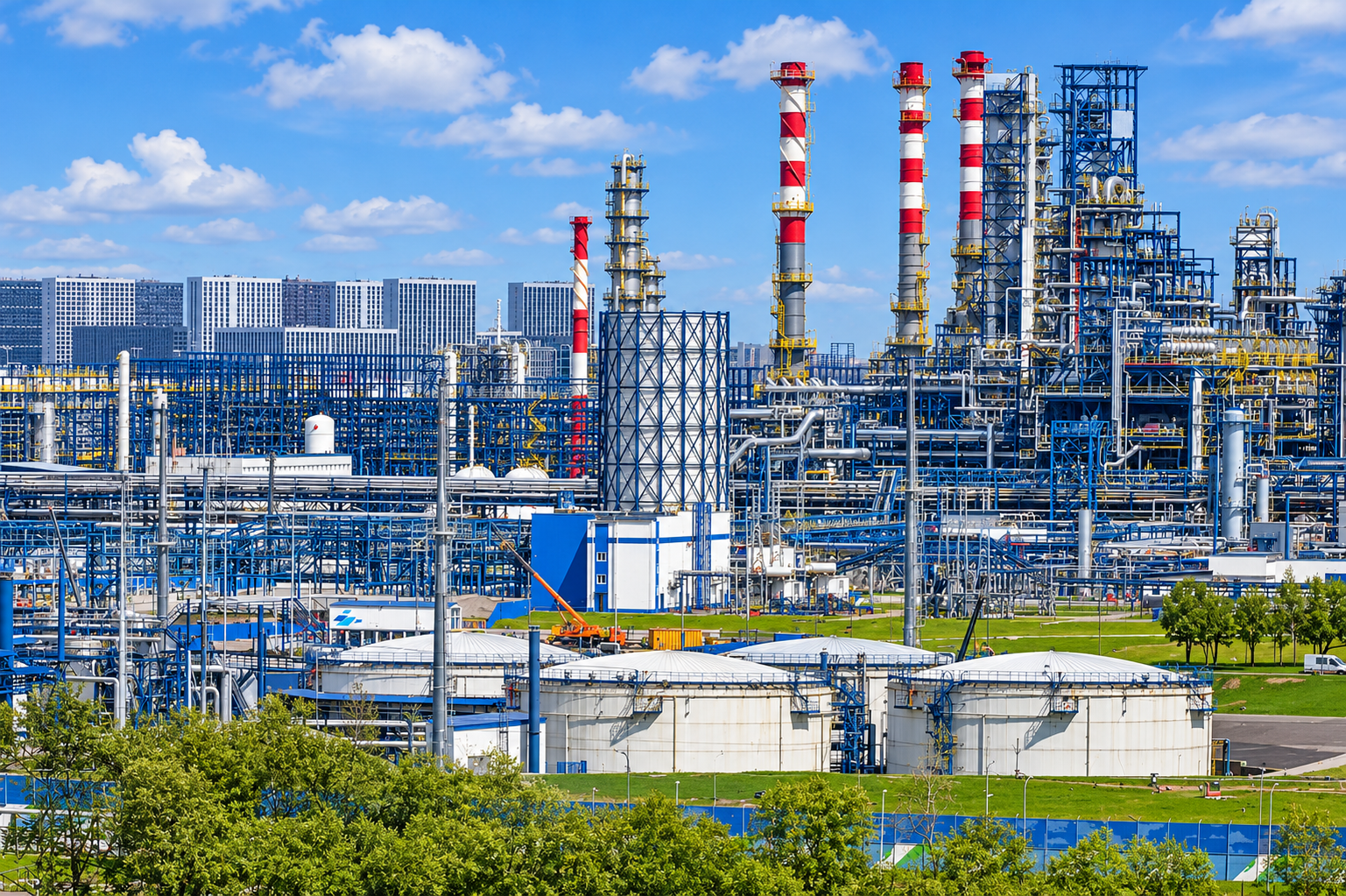
The refinery has operated since 1957 and has annual oil-processing capacity of about 14.8 million metric tons. It produces gasoline, diesel, jet fuel and other petroleum products for southern Russian regions. Lukoil’s refining overview also documents extensive additions and upgrades at Volgograd, including diesel-treatment, coking, hydrocracking and deeper-conversion equipment.
Nameplate capacity does not reveal the output lost on Nov. 13. Refineries contain multiple processing and support systems, and an incident can have very different consequences depending on which equipment is unavailable. Product inventories may cover a short interruption, while other refineries can sometimes redirect supply. The effectiveness of those buffers depends on available stocks, transportation capacity, delivery schedules and whether the replacement product matches local requirements.
The reported 45% nationwide processing decline indicates that those substitution options were under growing pressure. When several refineries are constrained simultaneously, unaffected plants have less spare output to redirect, and road, rail or pipeline distribution must move replacement fuel farther. The later spread of purchase limits shows that the effects were no longer confined to the city where one refinery was hit.
Drone pressure also reached civilian aviation
The same overnight period produced a separate transportation consequence. Moscow Mayor Sergei Sobyanin said air defenses recorded 467 drones heading toward Moscow and the surrounding region from the evening of Nov. 12 into the following morning. Sheremetyevo, Domodedovo, Vnukovo and Zhukovsky airports temporarily restricted operations.
For civilian infrastructure, the operational burden extends beyond physical damage. Large-scale drone activity can require continuous detection and defensive readiness while authorities restrict airspace and protect continuity at airports and industrial facilities. Those measures can interrupt passenger operations and industrial logistics even when the eventual damage assessment remains limited or disputed.
Volgograd motorists first encountered the disruption as queues and a small price movement. One week later, the reported 45% national processing decline and wider sales limits made the unanswered plant-level questions more consequential: how much Volgograd capacity remained unavailable, how much finished-fuel inventory could bridge the gap, and when normal refinery output and deliveries would resume.
| More aerospace and engineering stories, right in your MSN feed. Follow AMI on MSN |
By Stephen Wallace — Editor for AMI’s aerospace integration and unmanned mobility coverage, focused on drone manufacturing, VTOL systems, autonomous networks, and air-ground mobility links.