BMW iX3 Covers 631 Miles, but Journey Takes 17.5 Hours
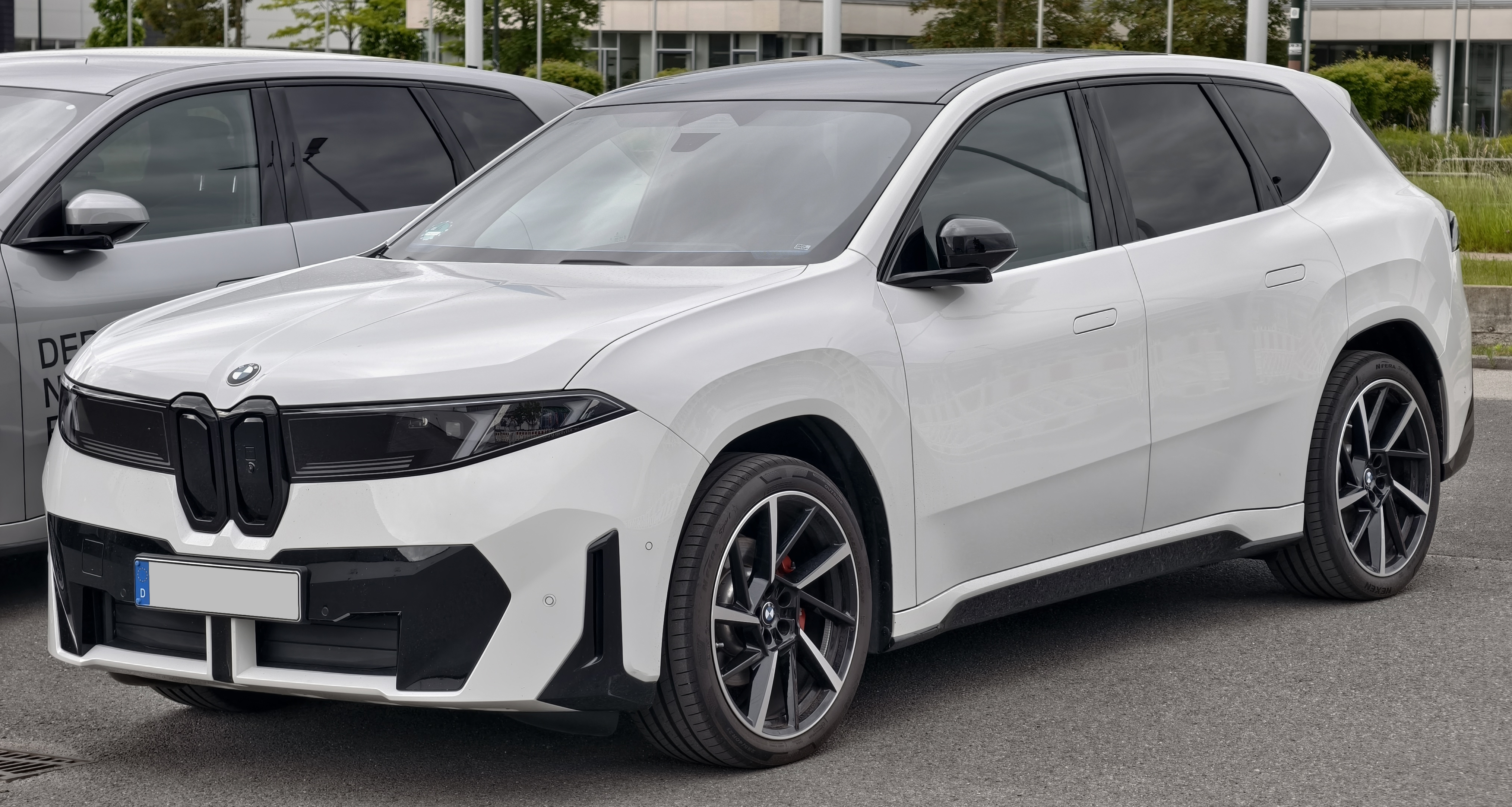
A standard BMW iX3 50 xDrive traveled 631 miles from Brasília to São Paulo without recharging, but extracting that distance required 17 hours and 30 minutes on the road. BMW Brazil’s demonstration substantially exceeded the electric SUV’s official Brazilian range rating of 354 miles while exposing the tradeoff behind the result: maximum range came from low speeds, careful routing and patient driving rather than ordinary road-trip conditions.

The trip computer recorded an average speed of 35.5 mph, even though the vehicle generally traveled between 37 and 43 mph when moving. Short periods at up to 56 mph were allowed when the road was clear. The drivers used Max Range mode throughout the journey and sought a steady pace while avoiding congestion, unnecessary acceleration and sharp deceleration.
Those choices help explain how the iX3 covered 1,015.8 kilometers against an official Brazilian rating of 570 kilometers. Electric-vehicle ratings provide standardized comparisons, but different test procedures and adjustments can produce different published figures across markets. A detailed comparison of EPA and European range testing shows how speed profiles, temperatures and post-test calculations affect the final numbers. A carefully managed public-road efficiency run is a different exercise again.
Low speed changed the energy equation
The iX3 averaged 17.6 kilowatt-hours per 100 miles, or 10.9 kilowatt-hours per 100 kilometers. That is the central technical result. At higher road speeds, the vehicle must devote more energy to overcoming aerodynamic resistance, so reducing speed can extend range substantially. Smooth acceleration also limits large power demands, while route planning reduces the energy lost through repeated changes in speed.
BMW’s team organized the drive around those constraints. It avoided busy roads and began the final stretch at about 4 a.m. to miss São Paulo’s rush-hour traffic. That was not merely a scheduling convenience: congestion would have disrupted the steady operating conditions on which the range attempt depended.
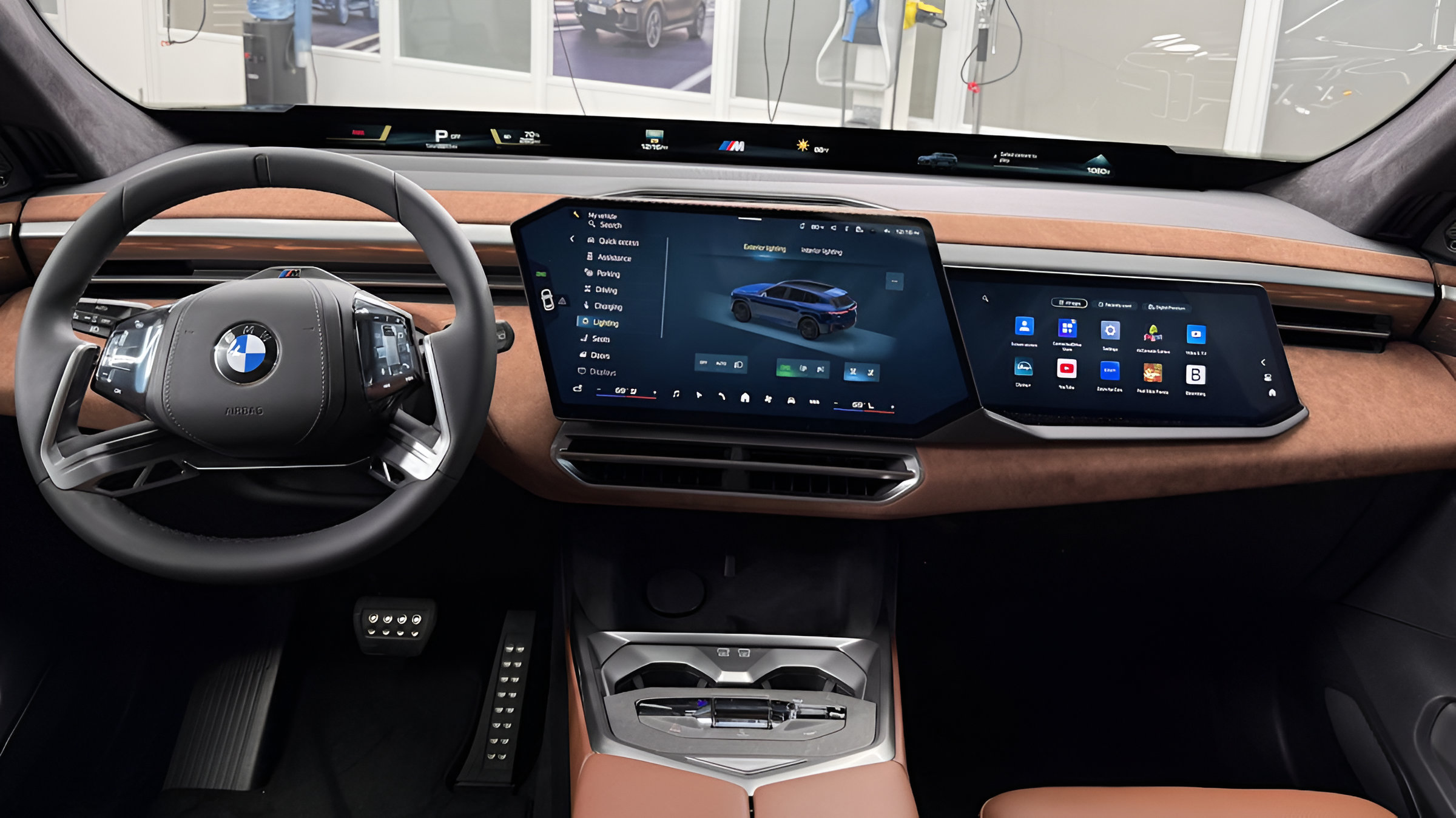
The battery readings show that the result developed progressively rather than through an abrupt late-stage gamble. After 439 miles, the iX3 still indicated 30% charge and an estimated 193 miles of remaining range. At 538 miles, it retained 15% and projected another 99 miles. Those dashboard estimates closely tracked the distance still needed, although estimated range always responds to recent consumption and operating conditions.
The cost was time. Covering 631 miles in 17.5 hours produces an average pace far below what drivers would expect on a normal intercity journey. The demonstration therefore answers a narrow but useful question: how far can the vehicle travel when energy consumption is prioritized over arrival time? It does not establish 631 miles as a routine range target for owners traveling at typical highway speeds.
A charging stop changes the practical calculation
The iX3 can accept up to 400 kilowatts of charging power and is specified to complete a 10%-to-80% charge in as little as 21 minutes under suitable conditions. That capability changes the road-trip tradeoff. Rather than spending hours holding speeds near 40 mph to avoid charging, a driver could travel faster and use a brief stop to restore energy. Actual charging time would still depend on charger output, battery temperature and the vehicle’s state of charge.
The Brazilian run also went farther than an earlier Chinese-market iX3 50L xDrive demonstration, which exceeded 500 miles and averaged 20.2 kilowatt-hours per 100 miles. The newer 631-mile result lowered consumption to 17.6 kilowatt-hours per 100 miles, reinforcing how strongly the outcome depended on operating conditions and efficiency-focused technique.
BMW Brazil proved that a standard iX3 could cover the full Brasília-to-São Paulo route on one charge. It also demonstrated why usable road-trip range cannot be separated from speed and time: the SUV traveled 277 miles beyond its Brazilian rating, but doing so turned the journey into a 17.5-hour efficiency exercise.
| More aerospace and engineering stories, right in your MSN feed. Follow AMI on MSN |
By Robert McKinney — Editor-in-Chief for AMI’s automotive and mobility coverage, with a mechanical engineering background and a decade reporting on powertrain systems, EV innovation, and global vehicle manufacturing.