BMW Update Will Let Compatible US Cars Stop at Red Lights
A BMW approaching a red traffic light with its Highway & Commuting Assistant active will be able to detect the signal and brake to a complete stop. That capability is scheduled to arrive in the United States through an over-the-air software update beginning in December 2026, moving the assistance system beyond its highway-focused role and into a defined urban-driving task.
When the signal turns green, the vehicle may pull away automatically or prompt the driver to continue. BMW has not specified what conditions determine which response occurs, leaving an important practical detail unresolved: drivers will need to know whether the car is prepared to move or is waiting for their input at each intersection.
The traffic-light capability is part of BMW Software Update 11/2026.3. It is intended for compatible US vehicles running BMW Operating System X and equipped with the Highway & Commuting Assistant. Availability will still depend on the vehicle, installed equipment and market.
A narrow but significant move into city traffic
Recognizing a signal, bringing the vehicle to a controlled standstill and deciding how to proceed on green requires more than the speed and lane management associated with highway assistance. The update adds what BMW calls “support in urban traffic,” but the announced function is specifically centered on traffic lights. BMW has not described it as a general autonomous-driving system or said that it will independently navigate every part of an urban route.
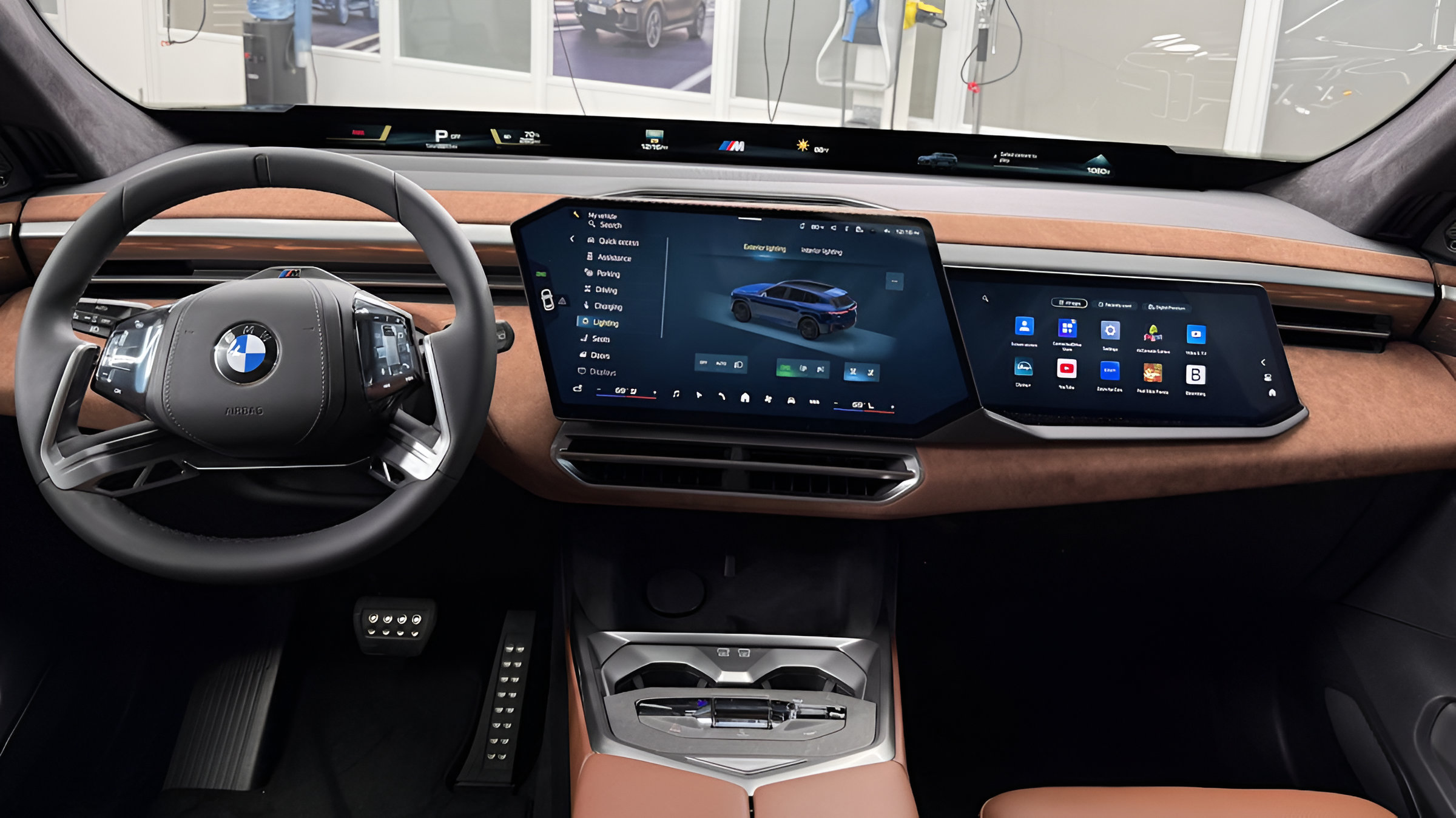
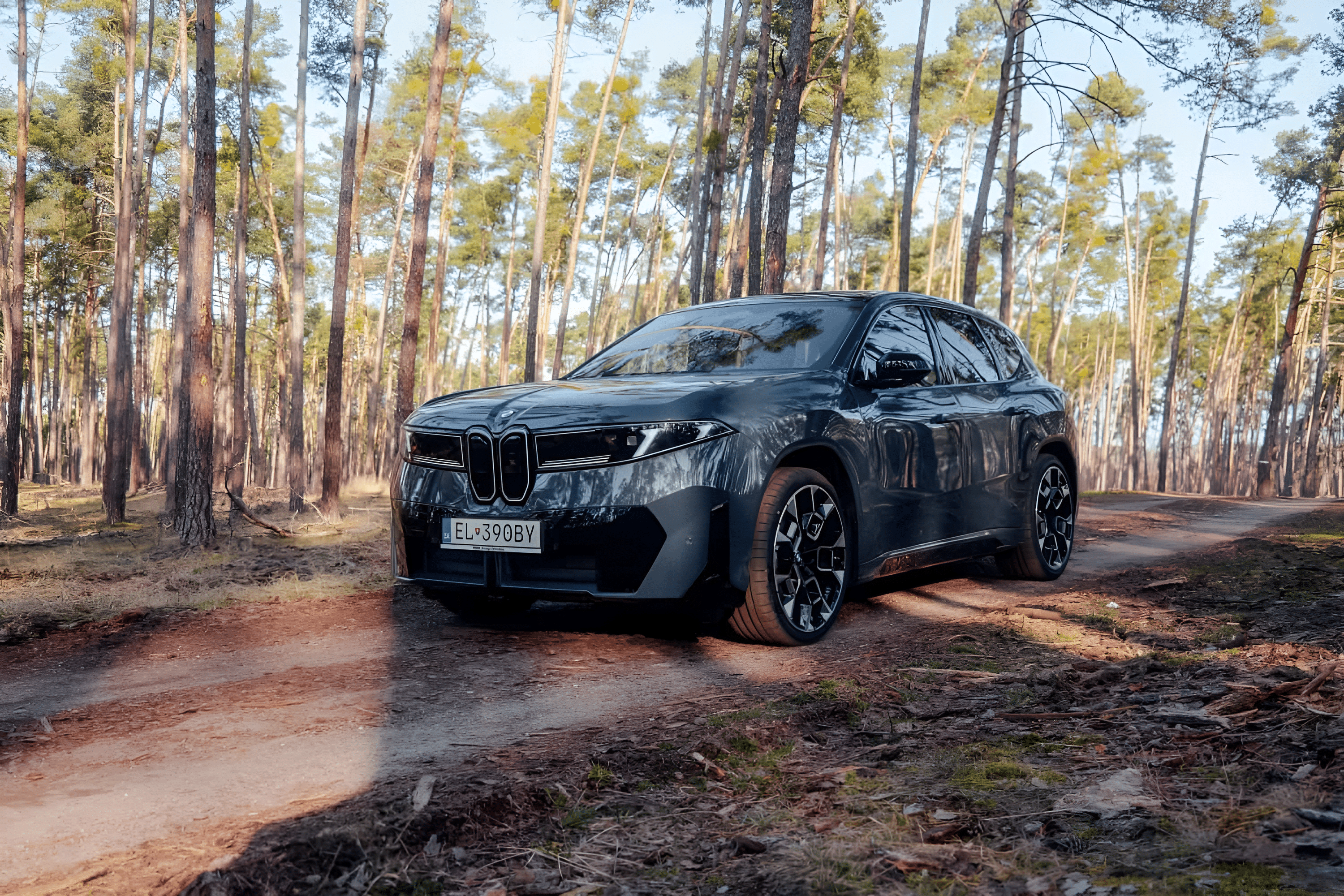
In the current US lineup described for Operating System X, eligibility points to the BMW iX3 with the $2,500 Driving Assistance Professional Package. That package includes the Highway & Commuting Assistant; the iX3’s standard Driving Assistant Plus package is different. Owners of older BMWs should not assume that broad over-the-air update compatibility will provide this particular feature, because the red-light function is restricted to Operating System X and the required equipment.
The green-light behavior also defines how much stop-and-go work the system actually handles. An automatic restart could carry the vehicle through the full stop-and-resume sequence. A driver prompt instead makes the system responsible for detecting and stopping at the red signal while leaving the decision to continue with the person behind the wheel. Both reduce some workload, but they create different expectations at the same familiar road event.
One function inside a 24-part update
BMW says Software Update 11/2026.3 contains 24 new or improved functions across driver assistance, navigation, charging, infotainment and comfort. Its announcement details 11 of those functions, leaving 13 unnamed. Some additions extend to vehicles using Operating System 8.5 or 9, but that broader update coverage does not change the Operating System X requirement for red-light stopping.
Among the other changes, BMW Maps will add a 3D presentation combining route guidance, the vehicle’s surroundings and information from active assistance systems. Manual destination searches on Operating System 9 and X will incorporate ratings, photographs, opening hours and contact information from Google Maps Places.
Electrified BMWs will show predicted public-charger occupancy using historical data. If a driver navigates to a charger but a planned session does not begin, the vehicle will also allow the driver to report a problem. The package includes entertainment and personalization additions such as Amazon Prime Video access, AI-personalized driver avatars and larger Panoramic Vision widgets, although these are secondary to the new vehicle-control function.
Owners will also be able to suppress automatic unlocking and the Welcome Light sequence at selected locations within a 500-meter radius. This offers a practical way to prevent the car from repeatedly reacting when its key is nearby at a home or another frequently visited location.
Software distribution is broad, feature eligibility is not
BMW says 16 million vehicles across all powertrain types in 88 countries can receive its over-the-air updates. The company has delivered remote updates since 2018, generally releases them two or three times per year and estimates that installation usually takes about 20 minutes.
That distribution scale does not mean all 16 million vehicles receive the same functions. Hardware, software generation, market approval and optional equipment determine what each vehicle can use. For the December traffic-light update, the practical boundary is especially clear: a compatible US BMW must run Operating System X and carry the assistant that performs the maneuver.
The update demonstrates how software can add control of an ordinary road task without waiting for a new model year. Its usefulness will ultimately depend on predictable behavior at the moment the light turns green particularly whether the vehicle moves by itself or hands that decision back to the driver.
| More aerospace and engineering stories, right in your MSN feed. Follow AMI on MSN |
By Robert McKinney — Editor-in-Chief for AMI’s automotive and mobility coverage, with a mechanical engineering background and a decade reporting on powertrain systems, EV innovation, and global vehicle manufacturing.