Volkswagen Recalls Thousands of EVs, Limits Charging Over Fire Risk
Volkswagen is recalling thousands of electric vehicles after supplier-made battery cells were linked to increased thermal stress and a possible fire risk. Potentially affected owners are being instructed to keep the battery at no more than 80% charge until their vehicles can be inspected and cleared or repaired.

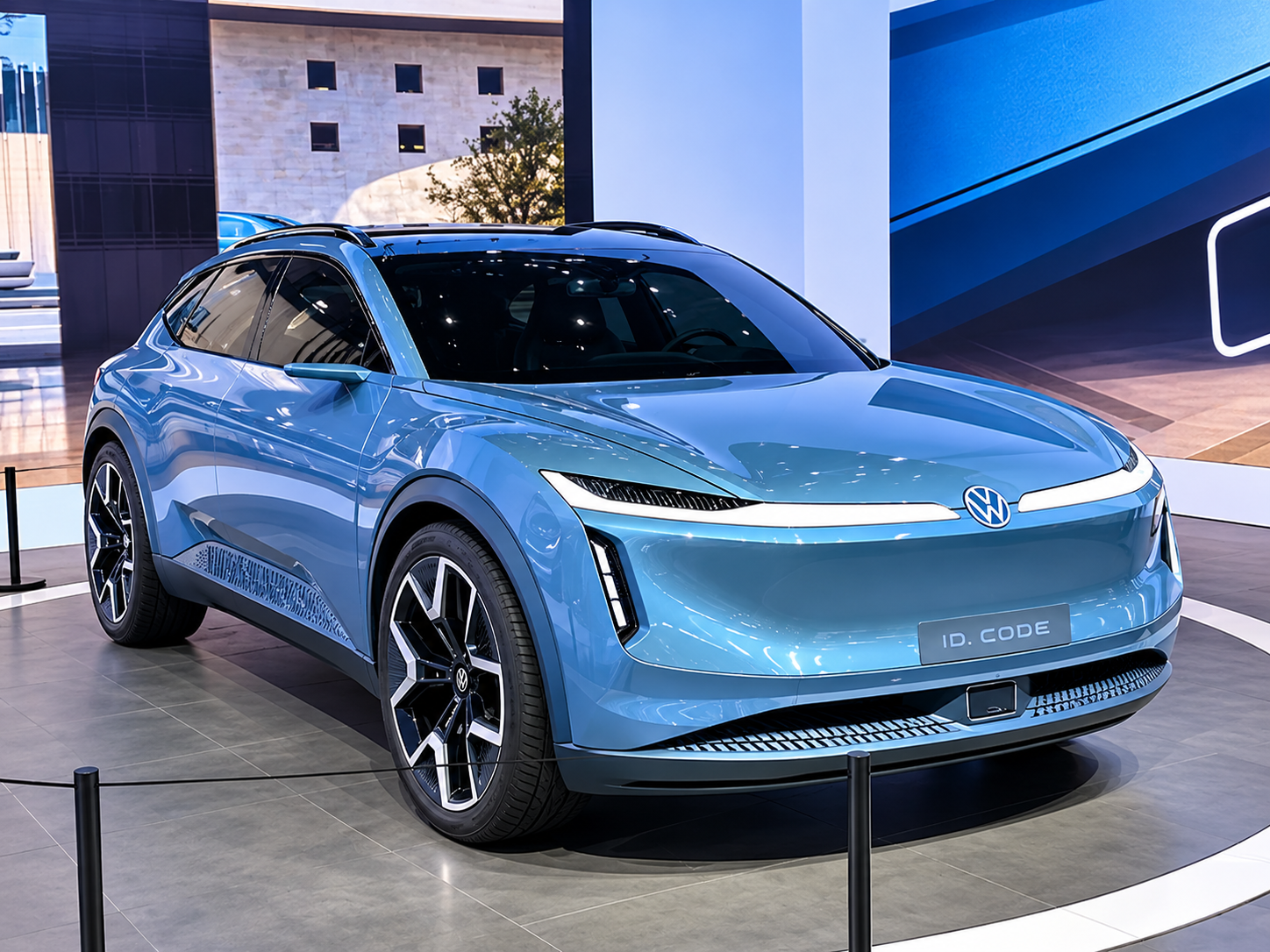
The campaign began with affected Volkswagen models in several markets and has since expanded within the group. In the United States, 22,524 Volkswagen ID.4 electric SUVs from the 2023 through 2026 model years are covered. A related Audi action includes 9,048 U.S. examples of the Q4 e-tron and Q4 Sportback e-tron from the 2024 and 2025 model years.
German recall data subsequently identified 72,668 affected Volkswagen Group electric vehicles worldwide across three campaigns, including 9,881 in Germany. The addition of 12,734 Audi vehicles brought the reported global total to 85,402. Market totals and model coverage differ because the affected cells were installed during defined production periods rather than across every version of each vehicle.
Why Volkswagen is imposing the 80% limit
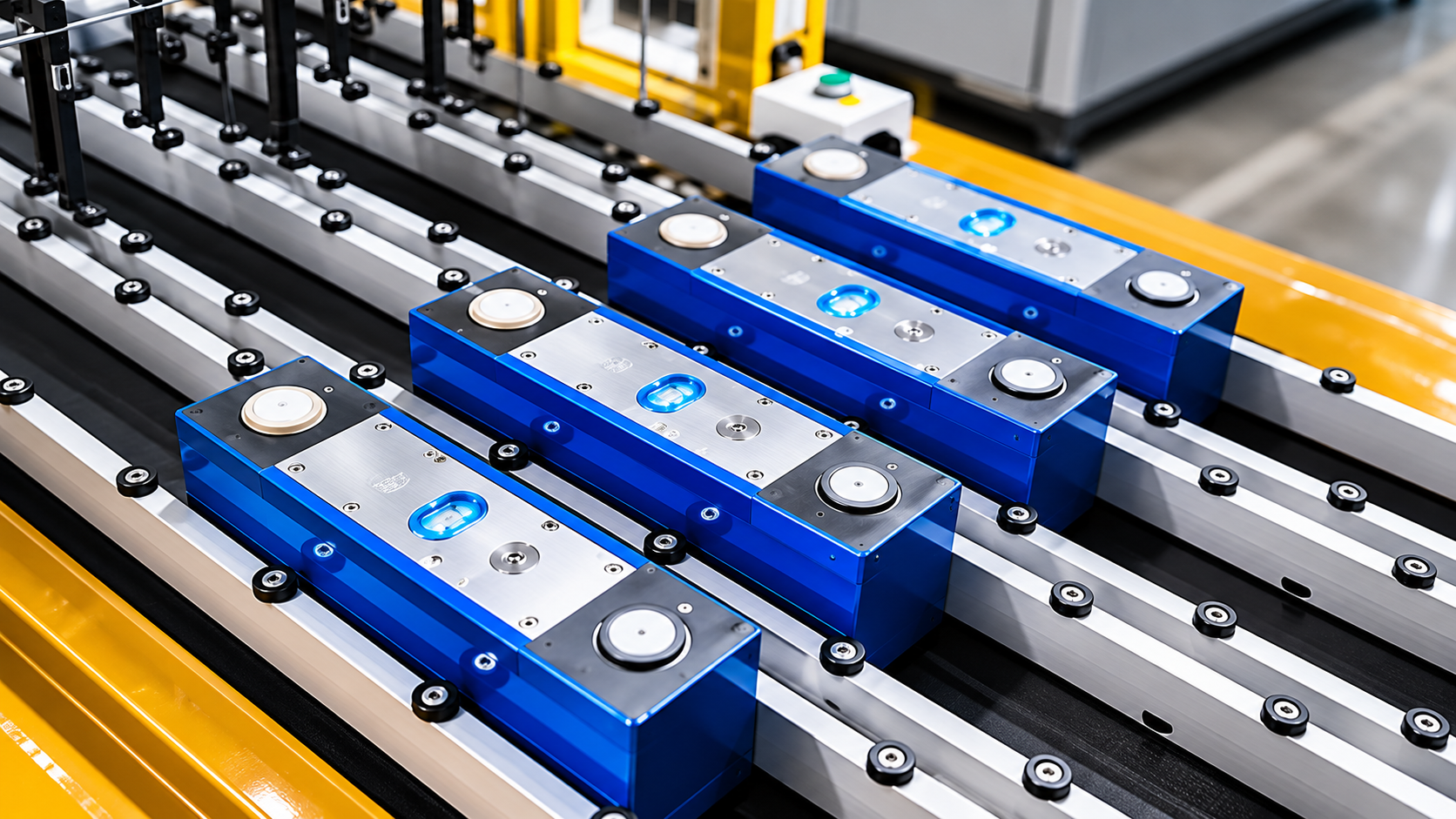
Volkswagen attributed the faulty cells to production problems at suppliers. U.S. information identifies different SK battery operations for the affected imported Audi vehicles and U.S. built ID.4s, showing that the campaigns cover related battery concerns across more than one production stream.
For certain vehicles, Volkswagen reported that particular charging profiles combined with a state of charge above 80% may initiate thermal propagation. In practical terms, excessive heat originating in a cell can spread within the battery system. Volkswagen has said a vehicle fire cannot be ruled out under extreme conditions, making the charging cap a temporary risk-control measure while inspections and remedies proceed.
The limit reduces the energy available for driving, so owners who routinely use most of their vehicle’s battery capacity will face more frequent charging or shorter intervals between stops. The actual loss of driving range will vary by model, battery configuration, conditions and driving style. The instruction does not mean every recalled pack contains a defective cell; it creates a common operating boundary for vehicles that have not yet been checked.
Some affected vehicles can receive an electronic setting that prevents charging beyond 80%. Others rely on owners following the instruction manually. Either way, the restriction is intended to remain until the battery has been assessed or an appropriate remedy has been applied.
Inspection determines what happens next
Volkswagen plans to contact affected customers with instructions to visit an authorized service center. Dealers will examine the high-voltage battery and determine whether its components meet the required quality standard. If no fault is found, the charging restriction can be removed.
A detected problem does not automatically require replacement of the complete battery pack. Depending on the vehicle and inspection result, the response may involve battery-module replacement, a software measure or another repair specified by the manufacturer. The permanent remedy remains less clearly defined for some campaigns, so owners may receive an initial notice before final repair instructions become available.
The model scope also requires attention to market-specific recall records. Volkswagen ID.3, ID.4, ID.7 and ID. Buzz vehicles, along with Cupra Born models produced during portions of the 2022 to 2025 period, have been identified in European reporting and recall databases. Earlier information cited a 2023 to 2025 production window, illustrating why model name and model year alone are insufficient to establish whether a particular car is included.
Audi’s related campaign covers Q4 e-tron and Q4 Sportback e-tron vehicles sharing relevant battery and production characteristics with other Volkswagen Group electric models. Audi reported no claims, crashes, fires, injuries or deaths associated with the Q4 battery issue when its U.S. recall documentation was filed.
Owners therefore need to follow the notice tied to their vehicle identification number rather than assume that every example of a listed model is affected. Until Volkswagen or its brands complete the required check, the 80% ceiling remains the immediate operating consequence of a supplier-level cell fault that has spread into a multinational, multi-brand recall.
| More aerospace and engineering stories, right in your MSN feed. Follow AMI on MSN |
By Thomas Caldwell — AMI’s senior editor for mechanical and mobility engineering, covering vehicle electronics, systems integration, electrification, chassis systems, propulsion, and safety policy.