Mars Milestones and Space Tourism Take Flight in 2021
In 2021, Mars exploration reached new heights while commercial space tourism took significant steps toward becoming a viable industry. February marked a pivotal moment when NASA’s Perseverance rover touched down in Jezero Crater, a site scientists regard as one of the most promising locations to search for signs of ancient microbial life. Geological evidence suggests Jezero once hosted a lake approximately 3 to 4 billion years ago, during a period when liquid water flowed across the Martian surface. Perseverance, NASA’s fifth rover on Mars, is tasked with collecting soil and rock samples for eventual return to Earth.

Accompanying Perseverance was Ingenuity, a small experimental helicopter designed to test powered, controlled flight in the thin Martian atmosphere. In April, NASA confirmed Ingenuity’s historic first flight, noting it was the first time any aircraft had achieved such a feat on another planet. Initially intended for only a handful of test flights, Ingenuity’s success led mission planners to extend its operations. By the end of the year, the rotorcraft had completed at least 17 flights, each pushing the boundaries of distance and duration. NASA envisions future aerial vehicles aiding astronauts in reconnaissance and sample collection, complementing rover-based exploration.
Mars also welcomed new visitors from other nations. China’s Tianwen-1 mission arrived after a seven-month journey, landing its rover in Utopia Planitia in May. The six-wheeled vehicle is examining surface materials and atmospheric conditions, with the goal of detecting signs of ancient life. Meanwhile, the United Arab Emirates’ Hope Probe entered a high orbit around Mars, tasked with studying atmospheric dynamics and the interactions of hydrogen and oxygen in the upper atmosphere. This data will contribute to understanding how Mars has lost much of its water over time.
In parallel with these missions, researchers unveiled a detailed map highlighting potential subsurface ice deposits. Identifying accessible water sources is critical for supporting human missions, as water can be used for life support and fuel production. The map pinpointed two regions where ice is likely to be found relatively close to the surface, offering practical targets for future exploration.
Beyond robotic exploration, 2021 also saw high-profile ventures into commercial spaceflight. In July, Virgin Galactic’s founder Richard Branson flew aboard the company’s spaceplane alongside two pilots and three mission specialists. The flight reached the edge of space, offering several minutes of weightlessness and panoramic views of Earth. Virgin Galactic’s business model targets private citizens willing to pay $250,000 for the experience, with operations based at a dedicated spaceport in the U.S.
Just over a week later, Blue Origin’s New Shepard rocket carried founder Jeff Bezos, his brother Mark Bezos, an 18-year-old Dutch passenger, and 82-year-old pilot Wally Funk to the edge of space. The brief journey demonstrated the company’s reusable launch system, though ticket prices remain undisclosed. Blue Origin’s spaceport, like Virgin Galactic’s, is located in a rural U.S. area, chosen for safety and logistical reasons.
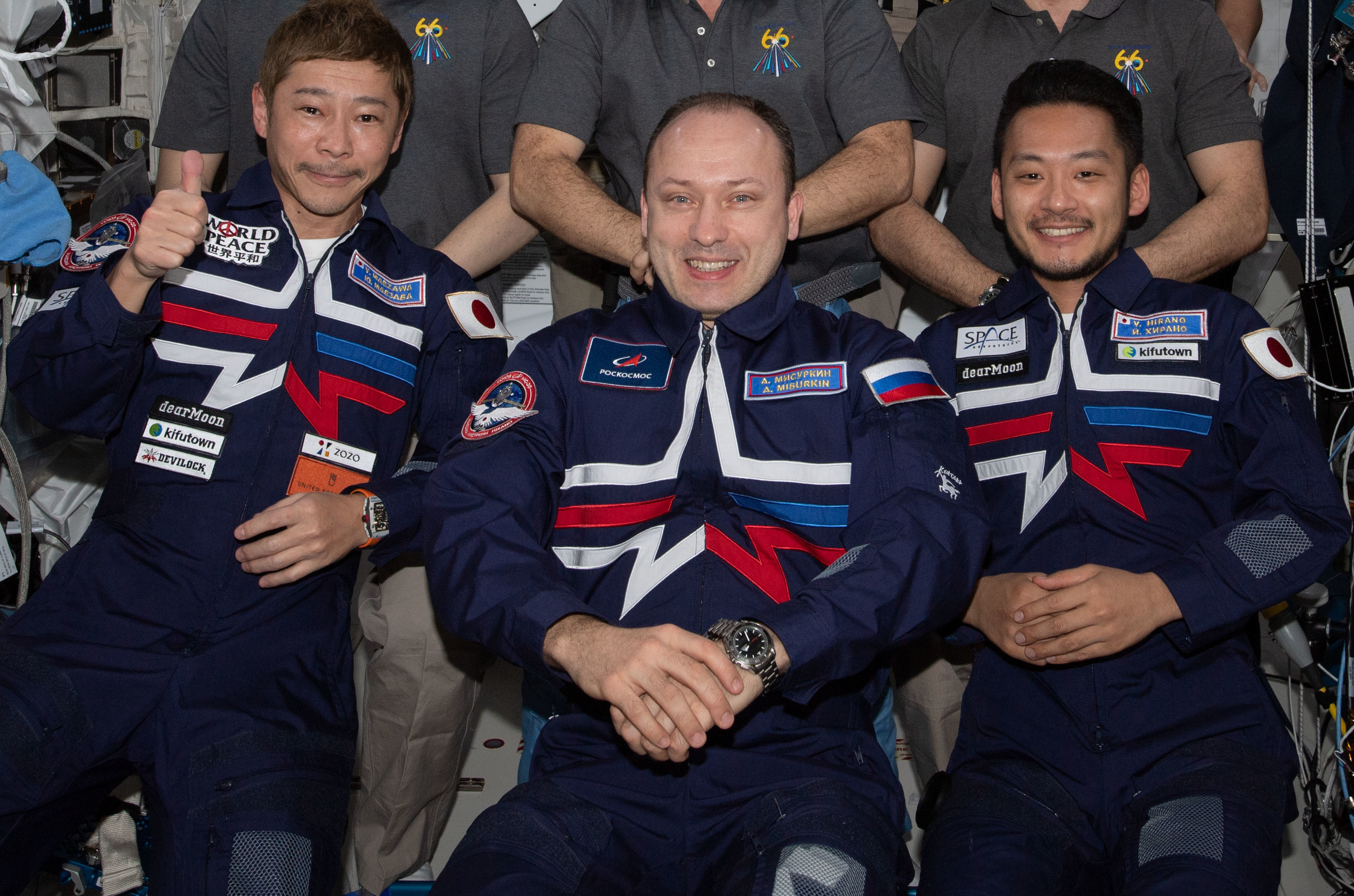
Space tourism extended beyond suborbital flights when Japanese billionaire Yusaku Maezawa arrived at the International Space Station for a 12-day stay in December. Traveling aboard a Russian Soyuz spacecraft with an assistant, Maezawa’s trip reportedly cost up to $50 million. Such missions require rigorous training and coordination with professional astronauts, underscoring the complexity of orbital tourism.
These developments illustrate a year in which Mars exploration advanced through international cooperation and technological innovation, while private spaceflight began transitioning from experimental ventures to commercial offerings. The engineering achievements—from autonomous rotorcraft on another planet to reusable rockets—highlight the growing interplay between governmental space agencies and private enterprise in shaping humanity’s future beyond Earth.