Global Military Drone Market Accelerates Toward 2030
The global military drone sector is entering a period of sustained expansion, with market valuations projected to nearly double from US$15.1 billion in 2024 to US$29.8 billion by 2030. This trajectory reflects a compound annual growth rate of 12.1%, driven by a convergence of technological progress, strategic defense shifts, and heightened geopolitical tensions. Rising investment in unmanned aerial systems (UAS) underscores their role as versatile, cost-effective force multipliers in modern military doctrine.

Demand is bolstered by the emphasis on minimizing personnel risk and reducing operational expenditure, leading to a steady migration toward unmanned systems. Advances in artificial intelligence, automation, and miniaturization have expanded mission capabilities, enabling platforms to perform complex tasks with greater autonomy. Emerging operational concepts—such as drone swarming and integrated multi-domain operations—are moving from experimental phases into structured deployment, supported by regulatory frameworks and public-private collaborations.
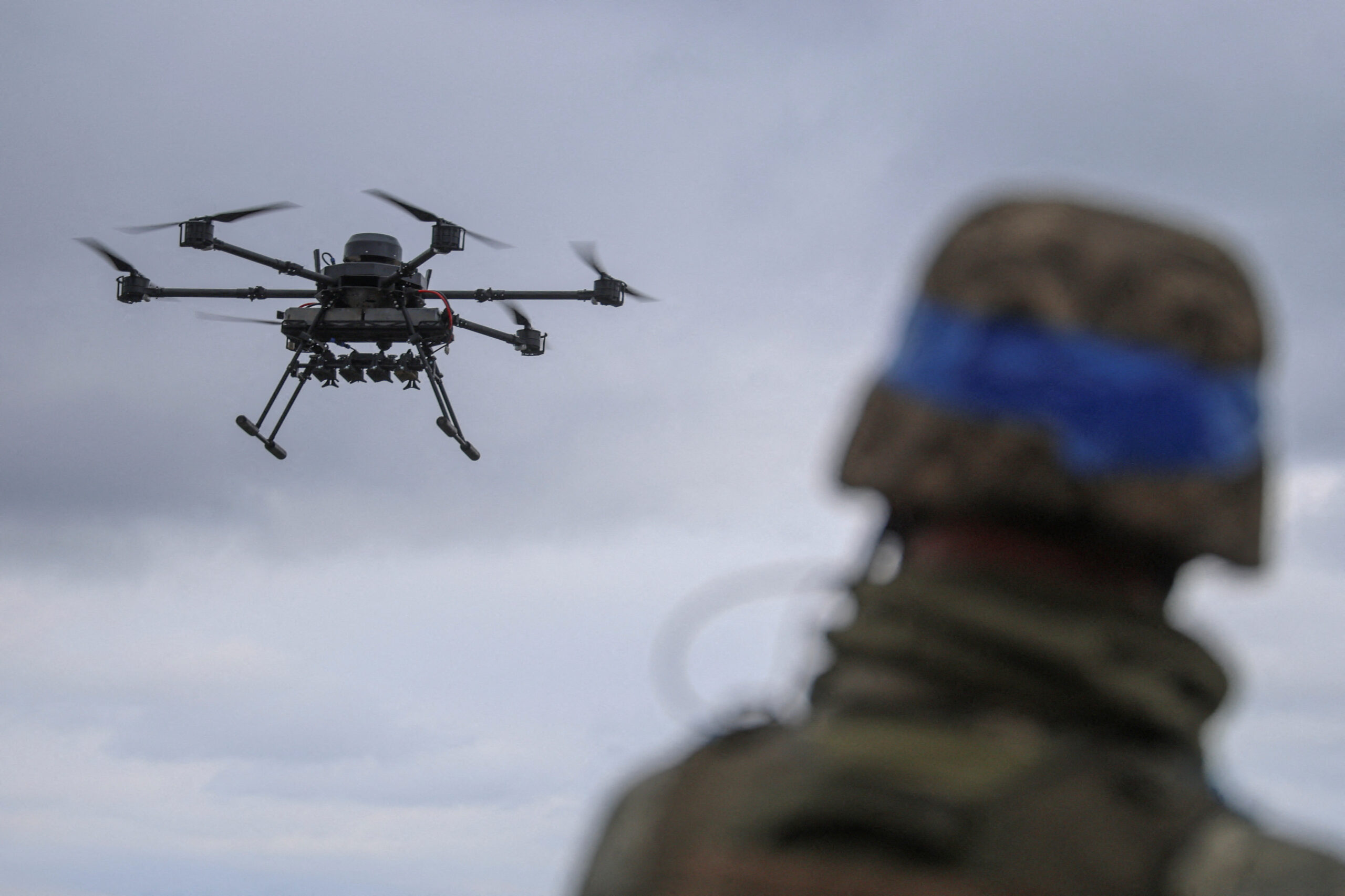
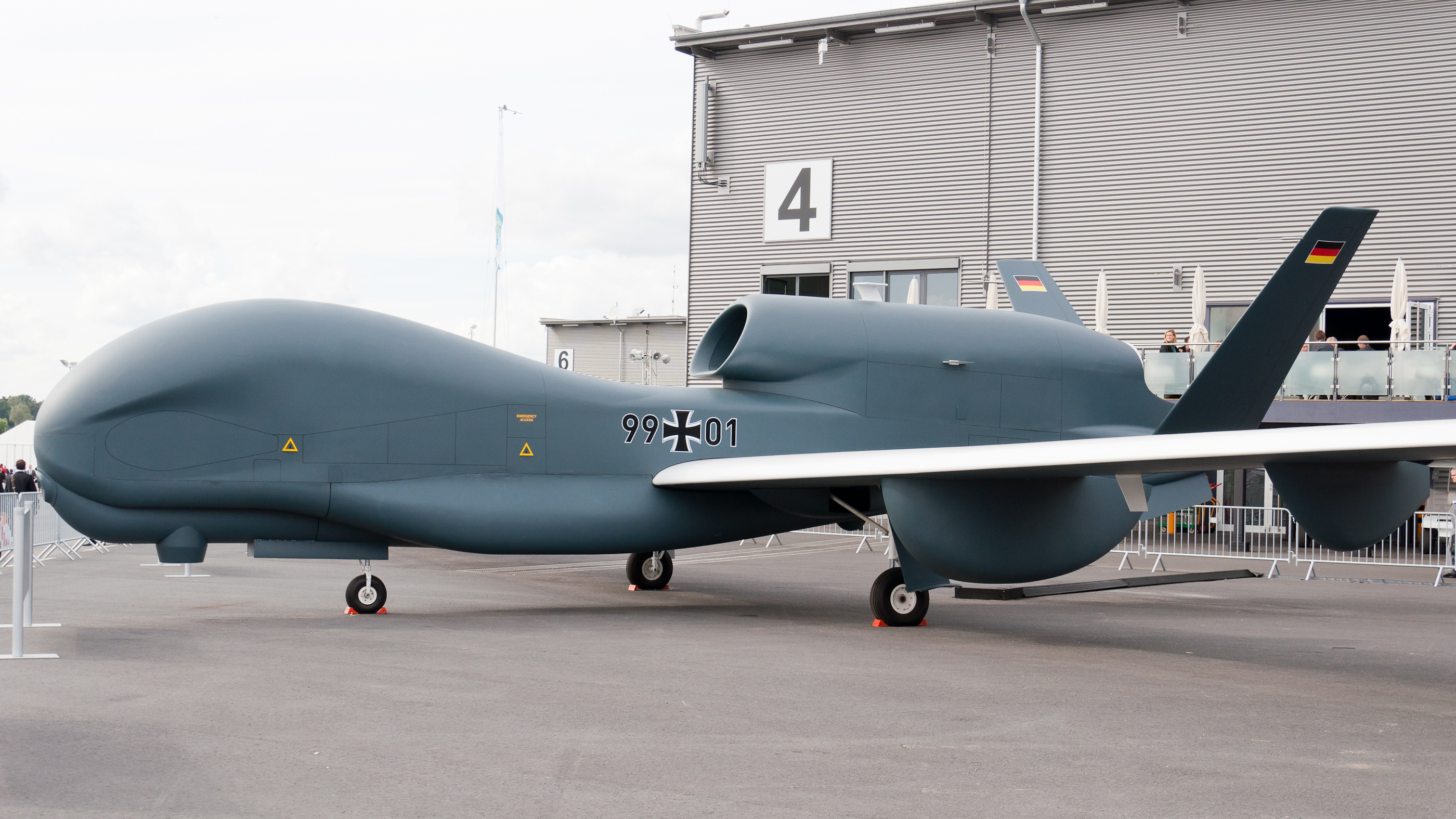
Segment analysis indicates that fixed-wing military drones will see the fastest growth, forecast to reach US$11.1 billion by 2030 at a CAGR of 12.5%. Rotary-wing platforms, valued for their vertical take-off and landing flexibility, are also expected to expand at 11.5% CAGR. Hybrid configurations, combining endurance and maneuverability, are gaining traction in specialized mission profiles. Propulsion technologies are diversifying, with fuel-powered systems dominating long-range missions, while battery-powered designs find increasing use in tactical and reconnaissance roles.
Regionally, the United States remains the largest market, valued at US$5.6 billion in 2024, supported by sustained defense budgets and a robust industrial base. China’s market is forecast to grow at 15.5% CAGR, reaching US$5 billion by 2030, reflecting rapid modernization and indigenous technology development. Other regions, including Japan, Canada, Germany, and the wider Asia-Pacific, are registering steady gains, influenced by regional security dynamics and domestic manufacturing capabilities.
The report integrates updated trade and tariff analyses as of mid-2025, noting supply chain turbulence and geographic realignment stemming from global negotiations involving over 180 countries. Adjusted forecasts account for lingering economic uncertainty and structural shifts in globalization. Tariff impacts, particularly those linked to earlier U.S. trade policies, have reshaped sourcing strategies and prompted diversification of supplier networks.
Military spending patterns in 2024 reveal significant allocations toward unmanned systems among top defense budgets. Rising territorial disputes and border tensions have intensified demand for improved surveillance and target identification capabilities, positioning drones as central assets in intelligence, surveillance, and reconnaissance (ISR) missions. The adoption of network-centric warfare strategies has made C4ISR integration a backbone requirement, with drones increasingly acting as nodes in connected battlefield architectures.
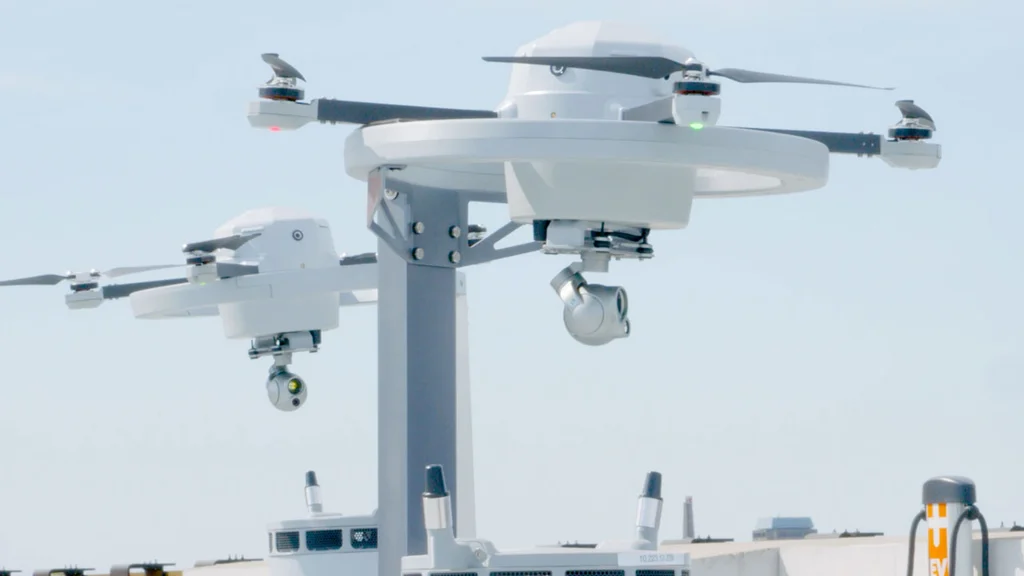
Technological innovation continues to redefine operational potential. Recent advancements include the integration of compact electro-optical/infrared (EO/IR) sensors into small UAVs, enhancing ISR effectiveness without compromising mobility. The growing popularity of unmanned combat aerial vehicles (UCAVs) is augmenting strike capabilities, while AI-driven mission planning and adaptive navigation are improving operational resilience. As drone usage proliferates, demand for counter-drone technologies is rising in parallel, with militaries investing in detection, tracking, and neutralization systems to mitigate offensive threats.
The competitive landscape in 2025 features established players such as General Atomics Aeronautical Systems, Israel Aerospace Industries, Northrop Grumman Systems Corporation, and UMS SKELDAR Sweden AB, alongside emerging firms specializing in niche applications. Market presence classifications—ranging from strong to trivial—highlight the varied scale and influence of participants across global regions.
Economic indicators tracked in the analysis include global GDP growth rates, headline inflation trends, and commodity pricing, notably Brent crude oil, given its influence on inflationary pressures. These factors contribute to procurement planning and long-term investment strategies within defense sectors.
The sustained expansion of the military drone market reflects a convergence of strategic necessity and technological capability, with unmanned systems increasingly integral to modern military operations across diverse geographies and mission sets.