Why the NTSB Ryanair Probe Matters for 737 Safety Questions
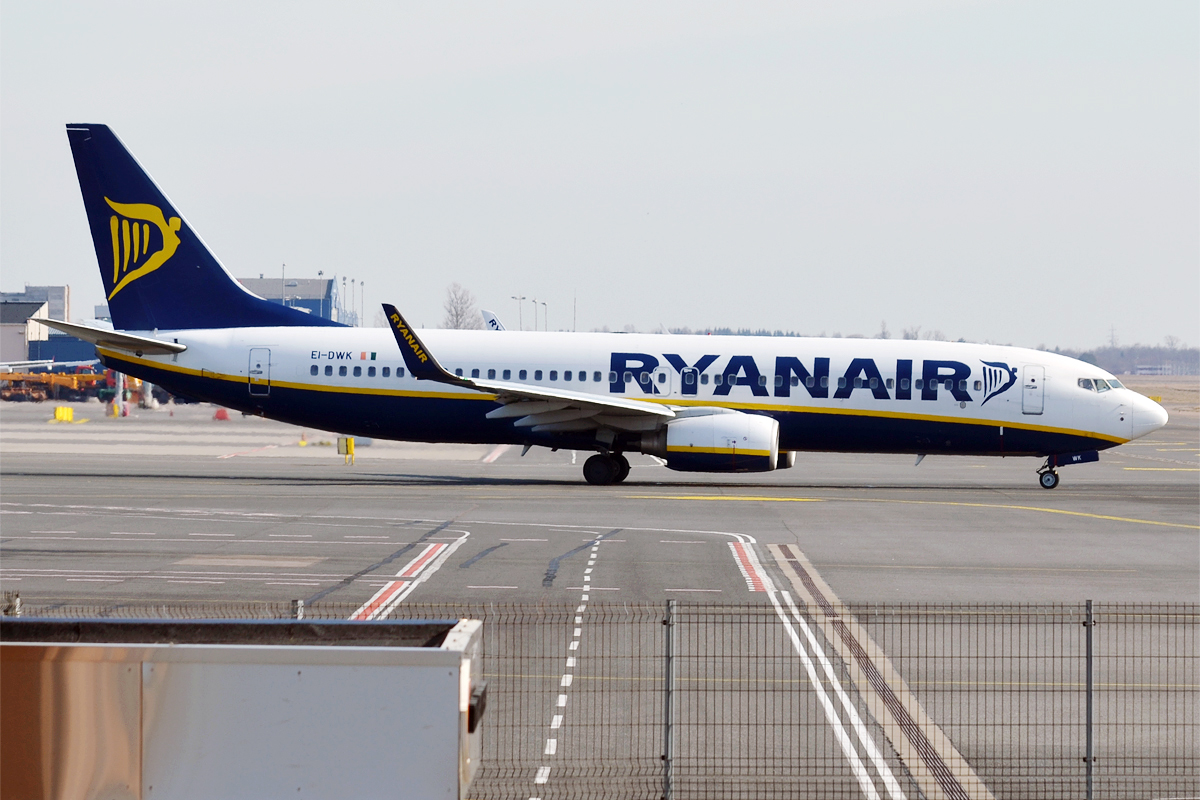
The National Transportation Safety Board is now leading the investigation into the July 10 Ryanair incident involving a Boeing 737-800 that returned to Thessaloniki after a window became dislodged in flight. That jurisdictional shift matters because it clarifies who is responsible for the technical fact-finding and, just as important, it frames the event as a structured safety investigation rather than a swirl of early speculation.

The confirmed outline is narrow but significant. The flight, operated by Malta Air, a Ryanair subsidiary, departed Thessaloniki for Memmingen and climbed past 15,000 feet about six minutes after takeoff before descending rapidly to roughly 6,000 feet. Passengers reported a loud bang, oxygen masks deployed, and the aircraft returned to Thessaloniki about an hour after departure after circling at lower altitude for roughly 30 minutes to burn fuel. The NTSB said it was notified that the aircraft turned back because of both a right-engine issue and cabin decompression, while Ryanair has publicly confirmed only that the return followed a dislodged window. One passenger received medical treatment after landing.
That leaves the central safety point exactly where investigators want it: on confirmed effects, not assumed causes. A dislodged window, a decompression event, and a reported engine issue are all on the table, but the sequence connecting them has not been established publicly. That distinction is critical in commercial-aircraft investigations, where visible damage and passenger accounts can describe what people experienced without proving why it happened.
What investigators are likely trying to separate
From an engineering and airworthiness standpoint, this case sits at the intersection of structural integrity and system response. First is the window event itself. On a transport-category jet, cabin windows are part of the pressure boundary, so any loss of integrity immediately becomes a pressurization issue. Second is the aircraft’s decompression response. The reported mask deployment and rapid descent are broadly consistent with a crew managing cabin altitude and getting the airplane to a lower, safer altitude. Third is the reported right-engine issue cited by the NTSB. If that report remains part of the final factual record, investigators will need to determine whether it was causal, consequential, coincidental, or simply concurrent.
That is why this investigation matters beyond one flight. Modern air safety work is often about disentangling linked symptoms. A structural failure can create a pressurization emergency. An engine event can create debris or vibration concerns. But until investigators establish timing, damage patterns, maintenance history, and component condition, none of those pathways should be treated as settled.
Why the NTSB is involved at all
For general readers, a U.S. agency leading a case involving a European airline over Greece may seem unusual. It is not, given the aircraft involved. Under international aviation rules, the state of occurrence normally controls the investigation, but the state can delegate responsibility. In this case, investigators determined the event occurred in Greek airspace rather than over the Republic of North Macedonia as initially believed, and Greece’s Hellenic Air and Rail Safety Investigation Authority transferred the case to the NTSB, with Greek authorities participating.
The U.S. role also fits the broader framework for foreign investigations involving U.S.-designed or manufactured aircraft. The NTSB’s international work is designed to capture safety lessons that affect U.S. aviation interests, while the investigating authority controls the formal process and eventual findings. In practical terms, that means the probe can draw on U.S. manufacturer and regulator expertise without turning early technical participation into an early conclusion.
Operationally, the aircraft did what crews train for
Even with major uncertainty about the initiating event, the flight profile itself shows a familiar emergency logic. After the climb, the jet descended quickly to a lower altitude, then remained airborne long enough to manage fuel before landing back at Thessaloniki. For airline operations, that sequence points less to drama than to procedure: stabilize the aircraft, address the pressurization problem, and return under controlled conditions. The replacement aircraft that later completed the trip to Germany also underscores the downstream operational effect of a single technical event passenger disruption, aircraft removal from service, and a maintenance and inspection burden that extends well beyond the flight deck.
The 737-800 involved was delivered new to Ryanair in 2008, but age alone does not explain an incident like this. Commercial narrowbodies are designed for long service lives, and what matters in any investigation is the condition of the affected structure or system, its inspection history, and whether any damage indicates a one-off failure, an external strike, a maintenance issue, or something else entirely. At this stage, none of that has been established publicly.
The real value of this investigation is not in guessing which part failed first. It is in showing how aviation safety works when a cabin structural event, decompression, and a reported engine issue appear in the same occurrence. Until the NTSB and participating authorities publish more, the responsible reading is straightforward: the event exposed serious safety questions, the crew returned the aircraft safely, and the hardest part now is separating correlation from cause.
By David Whitaker — Associate editor for AMI’s aerospace and drone systems desk, translating flight systems, aircraft programs, spaceflight, and UAV developments into accessible technical stories.