Ukraine’s 13-Ship Operation MoLoChKa Claim Tests Black Sea Logistics
A Ukrainian commander identified as Robert Brovdi said Operation “MoLoChKa” struck 13 Russian-linked vessels 10 dry-cargo ships, two tugboats and one tanker during a 48-hour period in the Black Sea region. His account did not specify the calendar dates, provide independent confirmation or document how severely the vessels were damaged. Brovdi also attributed strikes on 13 energy facilities and substations to a parallel drone campaign. Even with those verification limits, the claimed concentration of maritime and infrastructure operations points to mounting pressure on shipping schedules, port support services, electricity resilience and regional defensive readiness.
Brovdi said Operation MoLoChKa has targeted 196 vessels since July 6, comprising 126 in the Sea of Azov and 70 in the Black Sea. He separately said Operation “Crimean Switch Off” has hit 117 energy targets since July 1, including 13 during the reported 48-hour operation: 11 in occupied Crimea and two elsewhere in Russian-occupied territory. These are unilateral Ukrainian totals. No independent damage assessment, outage duration or resulting reduction in port and vessel capacity was provided.
Shipping pressure extends beyond confirmed hull damage
For commercial operators, the relevant consequence is not limited to whether every claimed strike disabled a ship. A sustained threat environment can affect voyage planning, crew safety decisions, port calls and the availability of vessels for grain, oil and general-cargo movements. The International Maritime Organization has condemned the recent resurgence of attacks on civilian merchant shipping in the Black Sea and Sea of Azov, warning that such incidents endanger seafarers and disrupt global supply chains.
Recent disruption has already reached both sides of the regional shipping network. Shipowners temporarily halted some arrivals at Ukrainian Black Sea ports amid intensified Russian attacks, while Russia introduced a temporary nighttime restriction on vessel movements at Novorossiysk. The latter is a major outlet for grain, oil, metals and containers. Even when ports continue operating during other hours, reduced operating windows can complicate berthing, loading, tug scheduling and onward cargo movements.
Tugboats are especially relevant to that systems-level picture. Without inferring the condition of the two tugboats in Brovdi’s claim, these vessels perform support functions that help ports move larger ships safely. Any verified loss of supporting capacity could matter differently from damage to a single cargo hull because it can constrain several vessel movements. The present information is insufficient to determine whether that occurred.
Energy strikes can compound port disruption
The claimed attacks on energy facilities introduce a second layer of operational pressure. Ports and logistics hubs depend on electricity for cargo handling, communications, lighting, storage and administrative systems. However, a strike count is not an outage measurement. Grid operators may reroute power, damaged equipment may remain partly functional, and localized interruptions do not necessarily translate into prolonged regional disruption.
That distinction is essential when assessing the 117-target cumulative claim. The number indicates the asserted scale and persistence of the campaign, but it does not reveal how much electrical capacity was lost, how quickly service was restored or whether repeated strikes affected the same equipment. Until those variables are documented, the defensible conclusion is that the campaign is applying pressure to energy resilience not that it has produced a quantified collapse in service.
Drone scale creates a readiness and production test
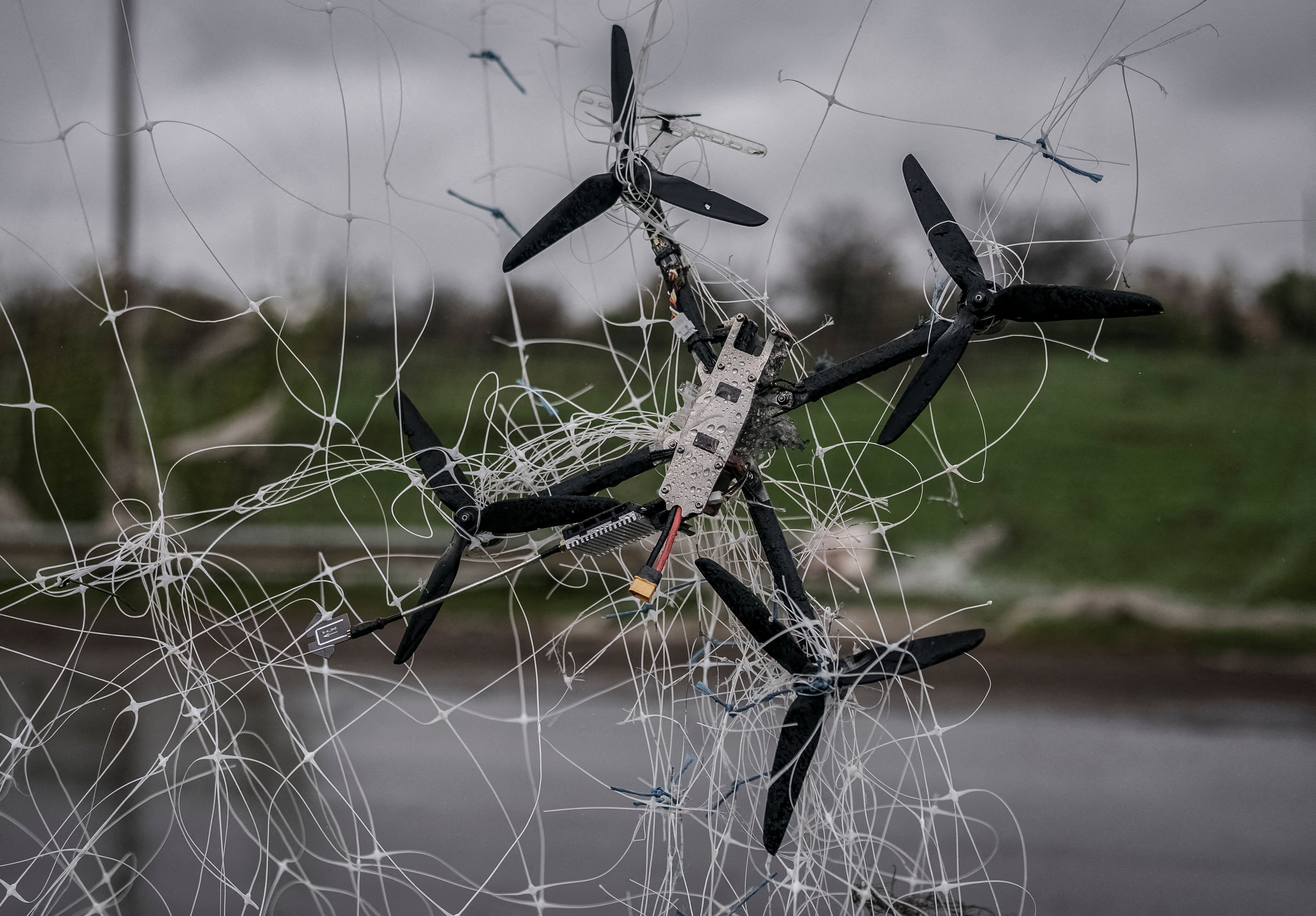
Running maritime and energy operations within the same reported 48-hour window suggests a broad unmanned-system workload. At a high level, that requires more than individual airframes or uncrewed boats. Sustained campaigns depend on manufacturing throughput, communications, maintenance, mission planning, trained operators and a supply of replacement systems. The figures do not establish how many drones were launched, how many reached their intended areas or what proportion failed, so they cannot support a reliable effectiveness rate.
For defenders, geographically distributed unmanned operations can create a readiness burden even when physical effects remain uncertain. Surveillance, identification and response resources must cover ships, ports and fixed infrastructure across a wide area. Maintaining that posture consumes personnel time and equipment availability, while false alarms or unconfirmed contacts can still interrupt routine operations. This is an operational-capacity consequence, not evidence that any particular defensive system failed.
The wider environment also makes attribution discipline important. The source separately reported Ukrainian drone strikes on three tankers at the Caspian Pipeline Consortium terminal near Novorossiysk, which Kazakhstan condemned as attacks on neutral shipping carrying Kazakh oil. Ukrainian authorities and maritime accounts also attributed a deadly strike on the grain-carrying bulk carrier Golden Leo to Russian cruise missiles. Together, these incidents show why merchant-vessel safety cannot be evaluated through one campaign’s claims alone.
Operation MoLoChKa’s claimed 13-ship total is therefore best read as an indicator of expanding unmanned-system scale and logistics pressure, not a verified damage ledger. The durable technical issue is whether ports, power networks, vessel operators and defensive organizations can preserve dependable service as repeated drone and missile threats compress operating windows across the Black Sea.
By Stephen Wallace — Editor for AMI’s aerospace integration and unmanned mobility coverage, focused on drone manufacturing, VTOL systems, autonomous networks, and air-ground mobility links.