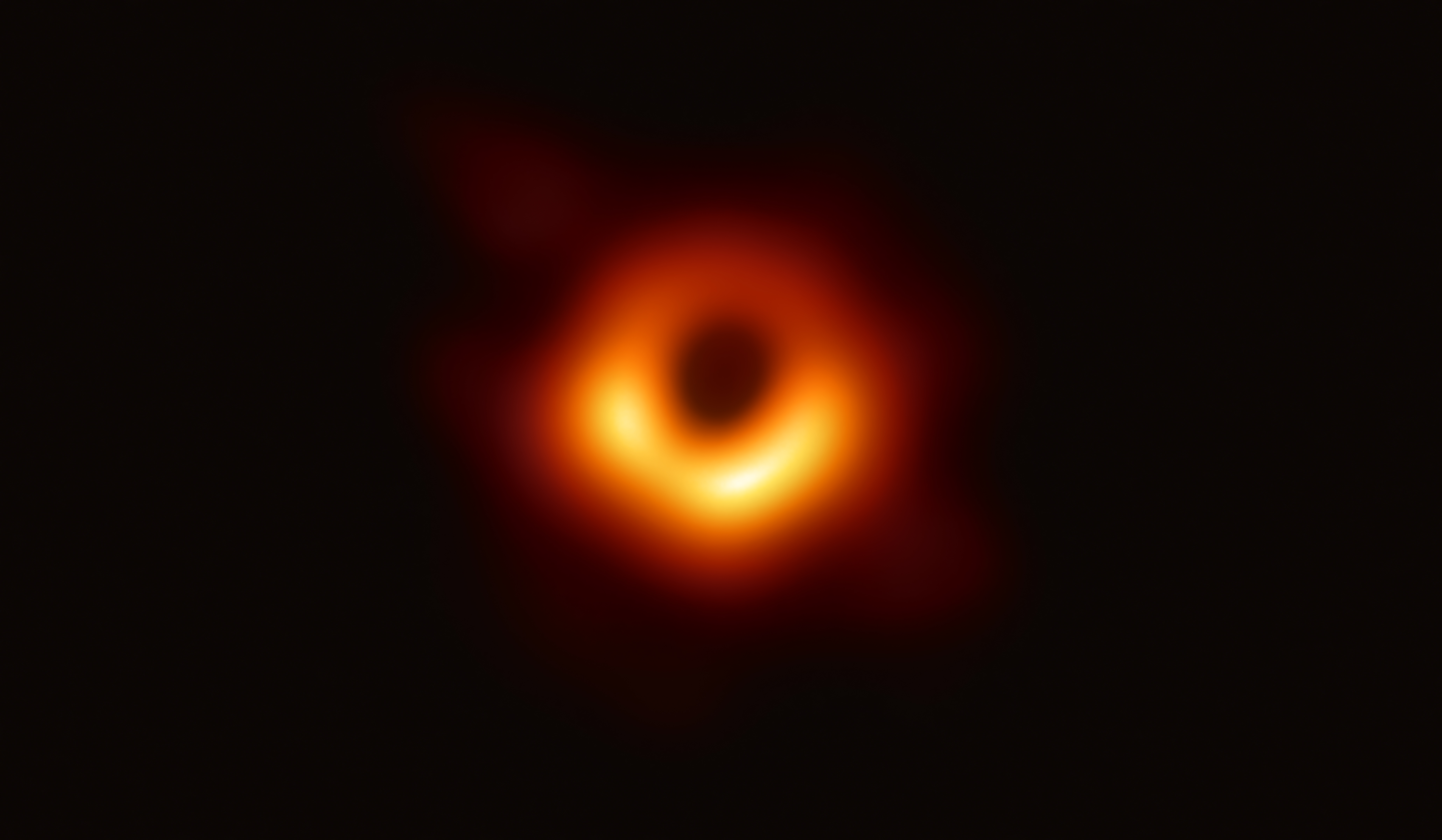
NASA’s Swift Exposes Star-Shredding Black Hole Far From Galaxy’s Center
NASA’s Neil Gehrels Swift Observatory helped confirm that an exceptionally bright flare first flagged in November 2025 came from a star being shredded by a supermassive black hole more than 30,000 light-years from its galaxy’s center. The event occurred in WISEA J014656.04-152214.7, about 750 million light-years away in the constellation Cetus, according to NASA’s account of the findings published in The Astrophysical Journal Letters.

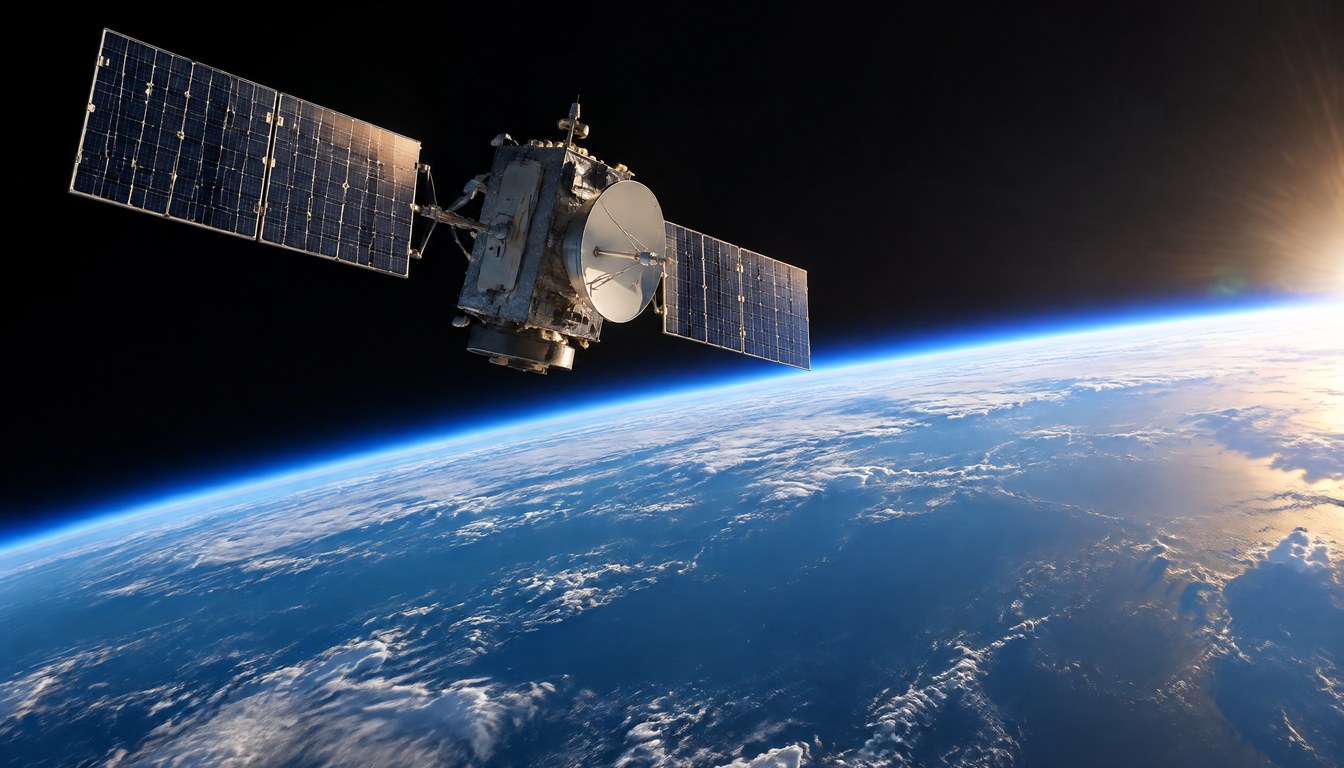
The flare initially stood out in observations from the Zwicky Transient Facility, a survey conducted by Palomar Observatory in Southern California. The SOAR telescope in Chile then collected spectral measurements supporting its identification as a tidal disruption event, while Swift added ultraviolet and X-ray coverage unavailable from the ground. That combination is important: Swift did not make the discovery alone, but its space-based instruments helped researchers reject other explanations for a bright source in such an unusual location.
NASA gives the black hole’s estimated mass as approximately 1 million times that of the sun. A separate figure supplied with accounts of the event placed it at 1.2 billion solar masses, but that conflicts with NASA’s mission page and the light-curve estimate described by the research team. The billion-solar-mass figure instead more closely matches the estimated scale of the black hole likely residing at the center of the nearby large galaxy. On the available official information, roughly 1 million solar masses is the supported estimate for the off-center object that destroyed the star.
A flare turned an otherwise dark object into a beacon
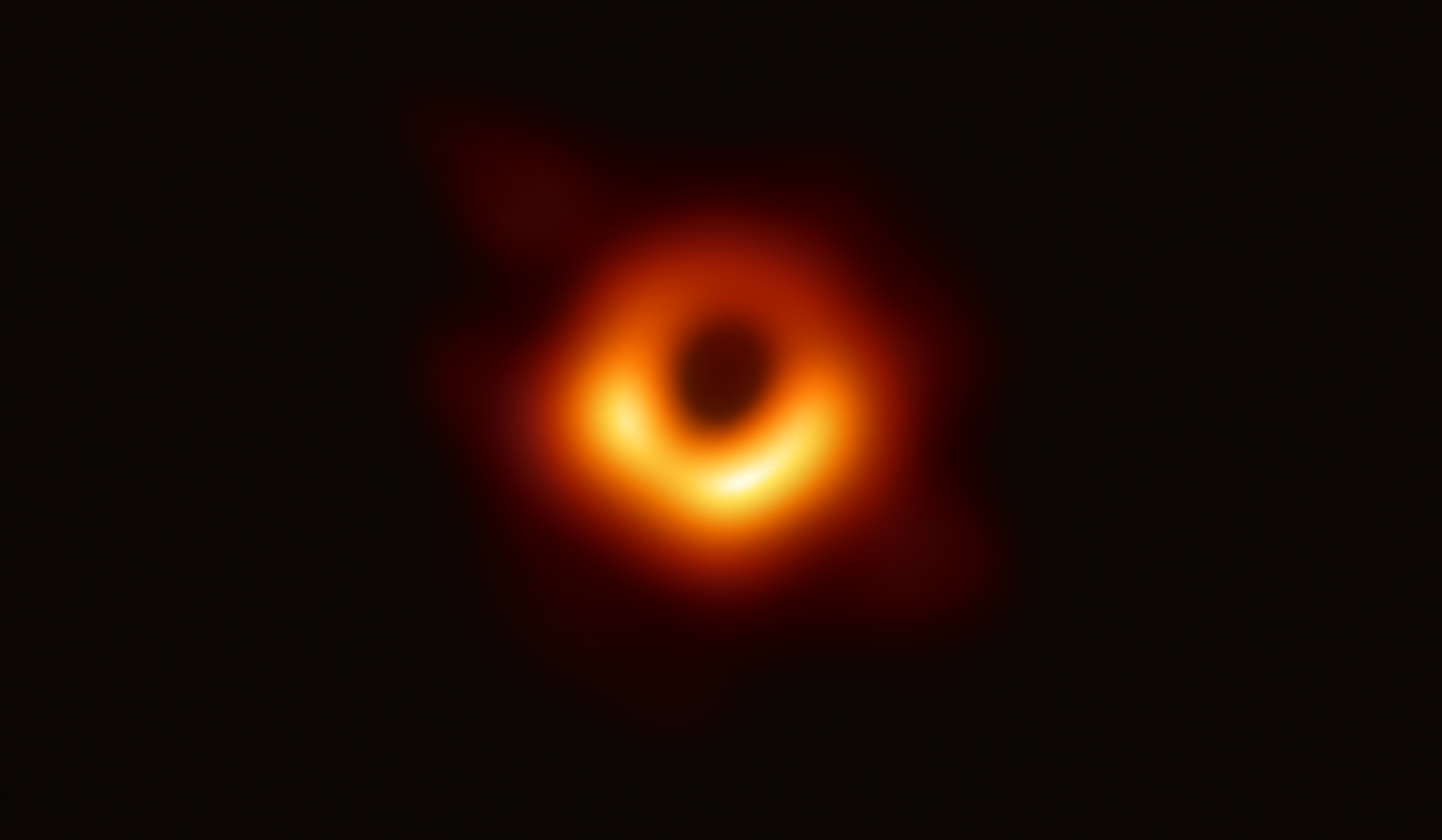
A black hole does not emit light directly. Astronomers generally infer its presence from its gravitational influence or from radiation generated as surrounding material heats up. A displaced black hole with little gas or dust around it can therefore remain effectively invisible until something supplies material.
In this case, a star passed close enough for the black hole’s tidal forces to pull it apart. The resulting stellar debris heated to about 54,000 degrees Fahrenheit, producing a luminous signature that telescopes could track across multiple wavelengths. For several months, the event outshone its host galaxy in ultraviolet light and, at peak brightness, radiated with the output of approximately 10 billion suns.
The location made the flare more consequential than a typical tidal disruption event. Nearly all known events of this type have appeared near galactic centers, where supermassive black holes are expected to reside. Astronomers previously confirmed one star-shredding event about 2,600 light-years from its host galaxy’s center. This object was found more than 30,000 light-years out roughly 11 to 12 times farther from the center than that earlier example.
The origin remains unresolved
The observations establish that the flare was far from the visible galactic core, but they do not yet settle how the black hole arrived there. One possibility is that several galaxies merged and gravitational interactions among their central black holes pushed the lightest one toward the outskirts. Another is that a smaller galaxy is still merging with the larger system, leaving its black hole and some associated stars identifiable as a separate structure.
That distinction matters for studies of galaxy evolution. A black hole expelled after a completed merger would represent a different stage and mechanism than one still traveling within the remains of a dwarf galaxy. More detections, along with measurements of stars and material surrounding each candidate, will be needed before astronomers can determine how common either pathway is.
A repeatable search method is the larger result
The practical payoff is not merely the addition of a second confirmed wandering supermassive black hole. The team used an artificial-intelligence algorithm to identify the flare from its changing brightness without assuming it would sit at a galaxy’s center. Ground-based spectroscopy and Swift’s ultraviolet and X-ray instruments then supplied the follow-up measurements needed to classify it.
That workflow gives future surveys a way to search for a population that conventional, galaxy-center-focused methods can miss. The Vera C. Rubin Observatory is expected to collect a much larger sample of tidal disruption events through wide, deep sky surveys, while NASA’s Nancy Grace Roman Space Telescope is intended to extend such searches farther into cosmic history.
Swift’s role also illustrates why broad survey coverage and targeted orbital observatories are complementary rather than interchangeable. Ground telescopes can find enormous numbers of changing objects, but Swift can rapidly examine selected targets at wavelengths blocked by Earth’s atmosphere. The flare supplied the beacon; the combined observing architecture established what produced it and where it occurred. That validated method not an unconfirmed merger scenario is the durable result of this rare stellar destruction.
By David Whitaker — Associate editor for AMI’s aerospace and drone systems desk, translating flight systems, aircraft programs, spaceflight, and UAV developments into accessible technical stories.