FAA Investigates Lost Separation Between Reagan National Jet and Marine One
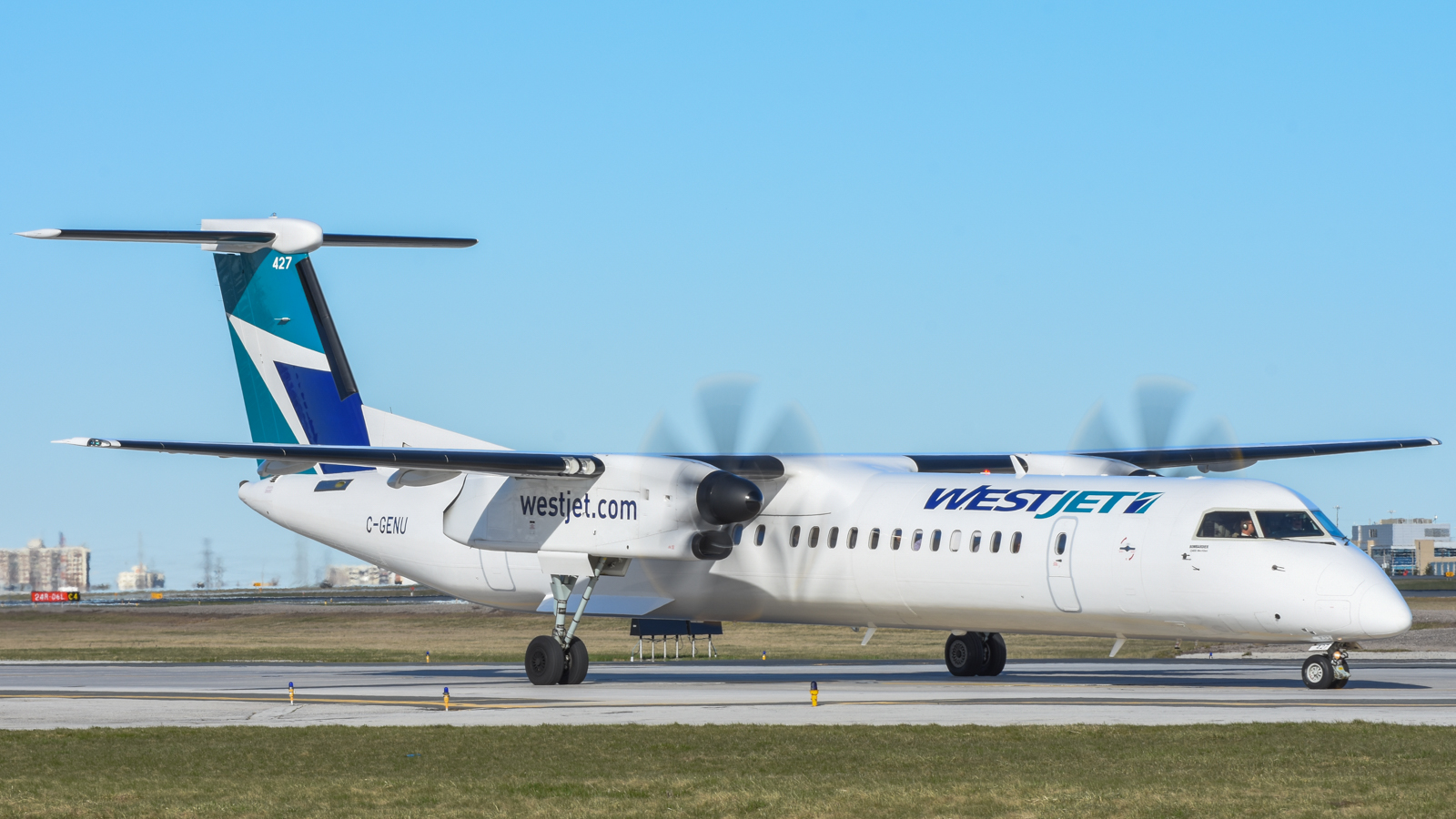
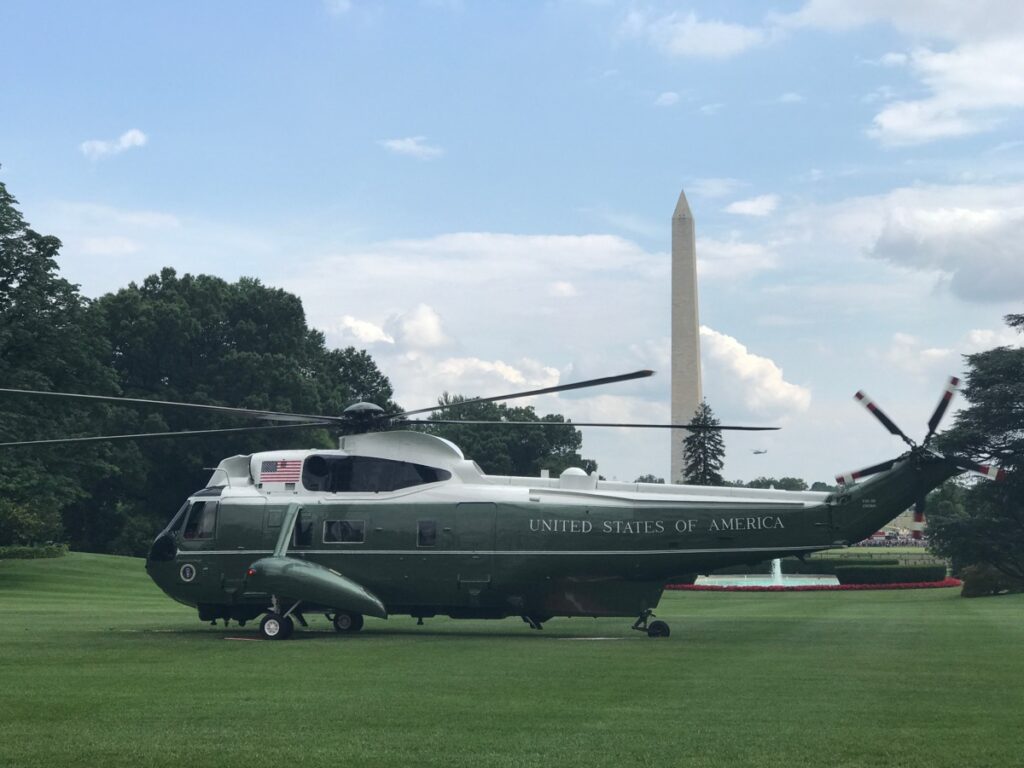
A commercial jet departed Ronald Reagan Washington National Airport as Marine One approached on August 4, producing what the Federal Aviation Administration preliminarily described as a “momentary loss of separation.” The FAA and National Transportation Safety Board are investigating why the departure continued despite a procedure intended to pause conflicting airport traffic.
The aircraft subsequently moved away from each other, according to the FAA. The commercial airplane was climbing above Marine One, and the two aircraft were not on a collision course. The White House said the president was never in danger, while the Marine Corps said there was no close call. Those statements define the immediate outcome, but they do not resolve the central operational question: why the traffic-hold procedure did not prevent the departure.
That procedure is part of a broader safety response to the January 29, 2025, collision between an airliner and an Army Black Hawk helicopter, which killed 67 people. The FAA later formalized restrictions on helicopter and powered-lift operations in parts of the airspace near Reagan National. Essential flights can still operate, but airport takeoffs and landings are supposed to stop when a helicopter uses a conflicting route.
A layered safety system
The hold is important because it removes a potential conflict before pilots and controllers must manage it tactically. In systems terms, it is a preventive layer: rather than depending solely on real-time traffic advisories, visual acquisition or last-moment coordination, the procedure temporarily separates helicopter movement from fixed-wing airport traffic.
That protection carries an operational cost. Pausing departures and arrivals can interrupt runway flow at a congested airport, potentially holding aircraft on the ground or delaying approaches. No passenger-delay figures have been established for this event, but the procedure deliberately accepts some disruption in exchange for reducing mixed-traffic exposure near the airport.
Communications form another layer. Recorded tower audio indicates that the Marine One pilot advised the tower that the helicopter was three minutes from lifting. The first transmission was not acknowledged, and a subsequent message was described by the controller as broken and unreadable. The controller later appeared surprised when the pilot reported that Marine One was proceeding as briefed.
That sequence makes communication quality a relevant investigative subject, but it does not establish a cause. Investigators still must determine what information was received, understood and entered into the operational picture; when the departure was authorized; and whether the applicable traffic hold had been initiated. The FAA said the controller was in contact with both pilots during the separation loss.
Radar separation and traffic advisories provide additional defenses once aircraft are moving. Required separation gives controllers a defined operating buffer, while advisories help crews identify relevant traffic. After the helicopter was warned about the departing airplane, its pilot reported the jet in sight and said, “We’ll be doing a momentary delay.” That response helped manage the developing geometry, but it should not be treated as proof that earlier safeguards worked as intended.
What investigators still need to establish
A loss of required separation is a standards finding, not by itself a determination that a collision was imminent. The FAA’s preliminary description is especially important here: the aircraft were moving apart after the loss, and available information says they were not converging on a collision course. The investigation therefore concerns compliance with the required safety buffer and the process that allowed it to be lost, rather than an established near-collision.
The review must also distinguish among several possibilities without presuming any of them. An unreadable transmission could have affected coordination, but investigators have not determined whether communications, procedural compliance or another factor explains the departure. Nor has either agency assigned fault to the controller, the commercial crew or the Marine One crew.
For airport operations, the consequential issue is whether a special-flight notification reliably triggers the required hold across every relevant position and aircraft movement. A procedure can be sound on paper yet still depend on clear communications, shared timing and unambiguous execution. Conversely, an imperfect radio exchange does not necessarily explain an authorization decision made elsewhere in the sequence.
The FAA and NTSB investigations now have to reconstruct that chain: what each participant knew, when the helicopter movement became operationally active, when the jet was cleared to depart, and whether the post-collision restriction was applied as designed. Until that work is complete, the confirmed finding remains narrow but significant a required separation margin was briefly lost even though Reagan National had adopted a procedure intended to prevent the conflicting movements from occurring together.
By Thomas Caldwell — AMI’s senior editor for mechanical and mobility engineering, covering vehicle electronics, systems integration, electrification, chassis systems, propulsion, and safety policy.