Two U.S. Army Divisions Choose Drones Ahead of 590-System Purchase
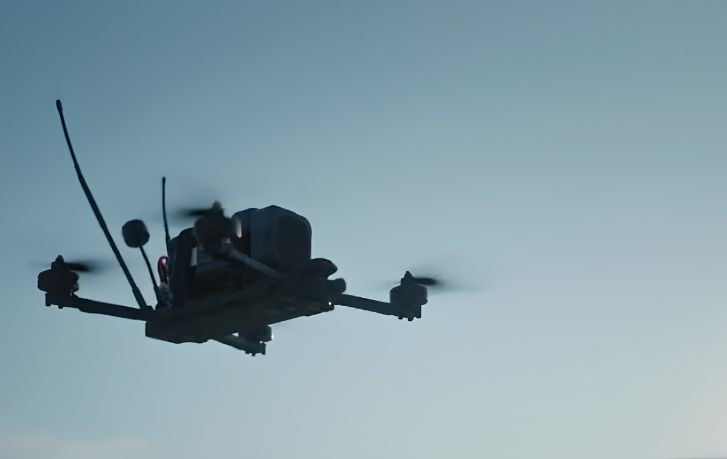
Soldiers from two U.S. Army divisions have selected reconnaissance drones for their own units, connecting hands-on evaluation with fielding decisions ahead of a planned base procurement quantity of 590 small-drone systems in fiscal 2027. The selections give operational users more control over what they receive, but the decisive test will come when the aircraft enter training and meet the units’ existing systems.

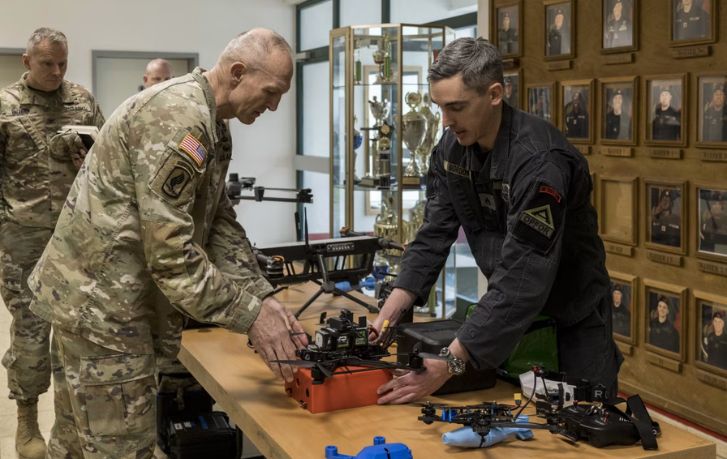
Personnel from the 101st Airborne Division and 1st Cavalry Division spent a week at Clarke Range near Anniston, Alabama, assessing aircraft available through the Army’s UAS Marketplace. According to the Army’s official account of the evaluation, each division selected up to two systems, with fielding and training planned over the next several months.
The event was organized by the Product Office Small Uncrewed Aircraft Systems under the Army’s aviation acquisition organization. Soldiers examined more than headline performance specifications. Their evaluations included flight operations, transportation, setup, launch and recovery, crew requirements, product support, payload options, configurations and cost.
That broader review matters because a reconnaissance drone is not useful to a unit simply because it flies well in a demonstration. It must be practical to move, launch and recover with the personnel and equipment available. Training demands, support arrangements and configuration choices can also determine whether an aircraft becomes a routinely available tool or a maintenance and logistics burden.
From marketplace selection to unit integration
The UAS Marketplace is intended to give Army organizations a common channel for examining, approving and acquiring systems suited to their requirements. Instead of waiting for one centrally selected design to move through a long development and procurement cycle, units can compare available products and provide feedback based on direct operation.
This is part of the Army’s broader Transformation in Contact initiative, under which operational formations test emerging equipment and return their experience to modernization programs. In this case, soldier participation extends beyond submitting comments: the two divisions were permitted to choose the systems intended for their own fielding.
That structure can shorten the distance between identifying a need and placing equipment in soldiers’ hands. It does not, by itself, establish that the chosen drones will integrate successfully or remain effective through sustained unit use. The Army still needs to determine how well they work alongside existing reconnaissance, communications and targeting systems, while also measuring training, support and reliability demands.
The available accounts contain conflicting language about the immediate transition into unit training. The Army’s official announcement says the selected systems will be fielded and trained over the next several months, but another description of the transition says they will not move into unit training. Until the next fielding update resolves that discrepancy, the timing and status of integration should be treated as pending confirmation.
A 590-system plan raises a manufacturing question
Fiscal 2027 procurement documents identify a base quantity of 590 battalion-and-below unmanned aircraft systems, with purchases expected to respond to soldier demand. The documents also describe an effort to expand domestic drone-manufacturing capacity. The precise acquisition mix, funding and schedule still require confirmation through the final fiscal 2027 procurement process.
A demand-led model presents a different production challenge from purchasing hundreds of identical aircraft under one fixed program. If multiple units choose different systems, the Army may gain faster access to changing technology and preserve competition. It may also have to manage more suppliers, training packages, spare-parts inventories, software configurations and product-support arrangements.
A related platoon-level reconnaissance fly-off illustrates how the Army is addressing that issue. Following demonstrations at Clarke Range, systems from Parrot Drones, Skydio, Skycutter, Teal Drones and Vantage Robotics advanced to manufacturing-readiness assessments. That was not a winner-take-all award; it preserved multiple possible suppliers while allowing the Army to examine whether vendors could produce and support aircraft at the required scale.
The two divisions’ selections therefore mark the start of the more consequential phase, not the completion of it. Soldier choice can make procurement more responsive, while a 590-system base quantity can create a meaningful demand signal for U.S. manufacturers. Whether the model succeeds will depend on what happens after the demonstrations: confirmed fielding, repeatable support, reliable unit integration and evidence that selected suppliers can deliver at scale.
By Stephen Wallace — Editor for AMI’s aerospace integration and unmanned mobility coverage, focused on drone manufacturing, VTOL systems, autonomous networks, and air-ground mobility links.