CFM Certifies 737 Max Engine Kit to Double Harsh-Climate Endurance
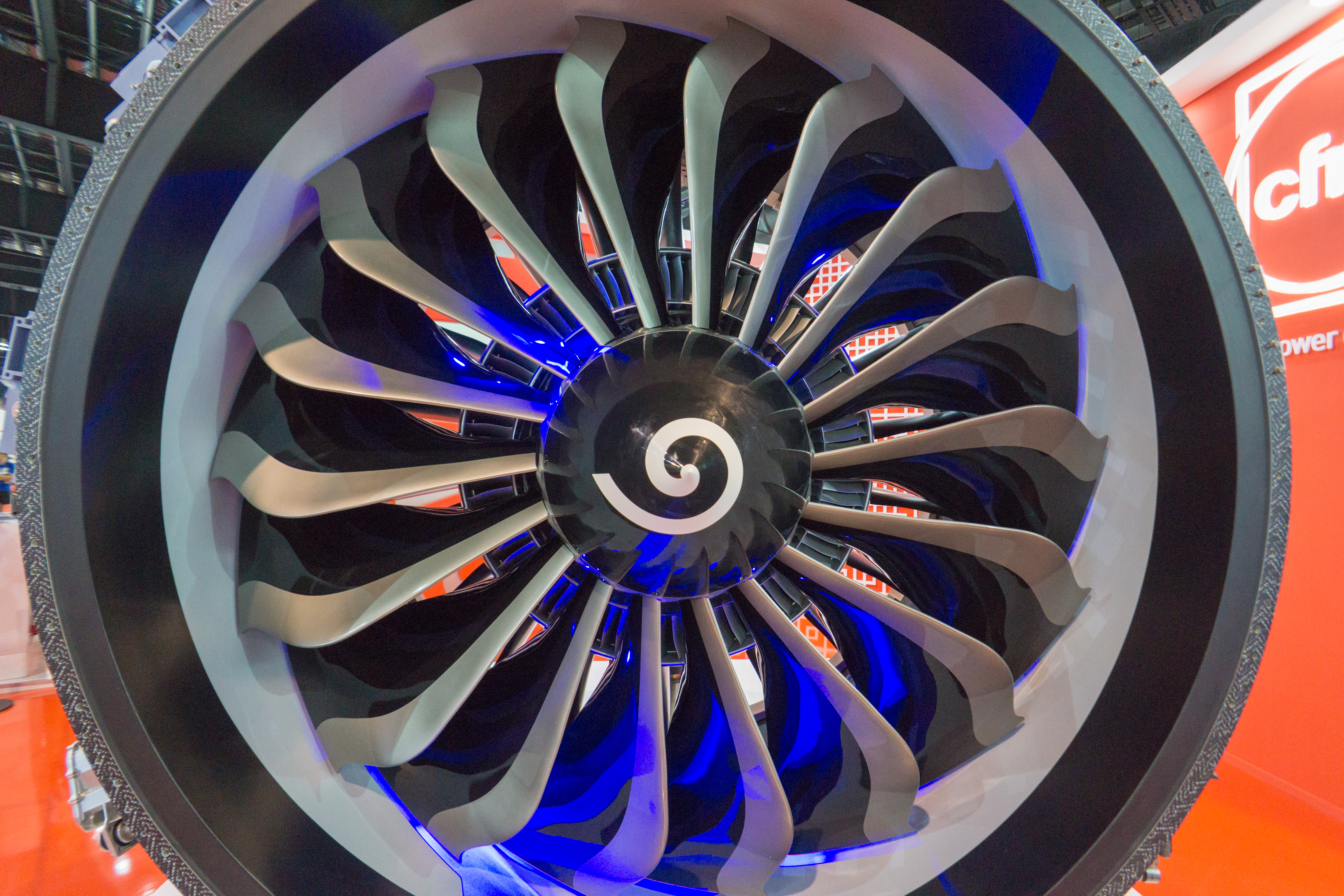
CFM International has secured U.S. and European certification for a Boeing 737 Max engine durability kit that the manufacturer says will double time on wing in hot, harsh operating environments. The certified LEAP-1B hardware addresses damage associated with dust degrading a protective coating in the high-pressure turbine, with full production cutover planned for early 2027.

That is an immediate maintenance milestone for an engine already in high-volume service, rather than a paper gain tied to a future aircraft. It also provides a useful contrast with the much larger propulsion decision now taking shape: CFM is preparing an unducted open-fan architecture for possible next-generation narrow body aircraft, while Pratt & Whitney has chosen to keep advancing its geared turbofan.
Durability before a new architecture
The LEAP-1B exclusively powers the 737 Max. Its durability kit is intended to protect the high-pressure turbine in environments where airborne dust and high temperatures can shorten component life. Longer time on wing can reduce shop-visit pressure and improve aircraft availability, although the certified benefit is specifically associated with severe operating environments rather than every mission profile.
CFM, a 50-50 joint venture between GE Aerospace and Safran Aircraft Engines, has already introduced the corresponding durability solution for the LEAP-1A used on Airbus A320-family aircraft. That kit is flying on 40% of the applicable Airbus fleet, giving CFM an in-service foundation as it industrializes the LEAP-1B version.
A second modification attacks a different maintenance mechanism. CFM’s reverse bleed system cools the fuel nozzle after shutdown to reduce carbon buildup and the resulting need for on-wing nozzle replacements. The company has secured initial engine-level certification for the LEAP-1B system and expects the 737 Max version to begin entering service this year. The corresponding system is installed on 70% of the relevant LEAP-1A fleet.
These changes arrive while CFM is expanding production. The manufacturer delivered a record 1,800 LEAP engines last year, 25% more than in the preceding year, and expects another 15% increase in 2026. At that scale, a durability improvement affects more than individual maintenance events: it influences spare-engine demand, overhaul capacity, parts consumption and airline scheduling across a growing installed base.
Open fan versus another geared-turbofan generation
CFM’s longer-term RISE program makes a more fundamental design bet. The technology package combines an unducted open fan with new compressor, combustor and hybrid-electric work. Removing the conventional nacelle around the fan is central to CFM’s claim that a future RISE-based engine could use 20% less fuel than current ducted turbofans.
That potential efficiency comes with a broader integration and certification task than an evolutionary engine update. CFM has conducted about 500 test campaigns and says open-fan flight testing remains on track to begin this decade. It is also working with Airbus on a full-scale A380-based flight demonstrator and with the Civil Aviation Authority of Singapore to study possible airport-operating effects.
Pratt & Whitney evaluated open-fan technology but elected to continue developing the geared-turbofan architecture used on aircraft including the Airbus A220 and A320neo family. The gearbox allows the fan and low-pressure turbine to operate at different rotational speeds, and Pratt argues that retaining this basic arrangement offers a lower-risk route to its next generation.
The contrast is therefore not simply one efficiency claim against another. CFM is testing a configuration that could deliver a larger architectural change but must be integrated with a future airframe and its operating environment. Pratt is favoring continuity around an architecture it already produces and supports, betting that airframers and airlines will place greater value on program stability.
Airframers still control the calendar
CFM says RISE technologies could be available in the second half of the 2030s, but that is not an aircraft launch date. GE’s Arjan Hegeman said the objective is to “have the technologies prepared and ready to go when airframers kick off a program.”
Boeing has made no propulsion selection for a future narrowbody. Boeing Commercial Airplanes CEO Stephanie Pope said it is “too early to have a position” on open-fan propulsion, while describing the company as “interested and curious.” Pratt commercial-engines president Rick Deurloo, meanwhile, does not expect Boeing or Airbus to launch a new aircraft before 2040; Airbus has publicly discussed introducing one as soon as 2030.
For the 737 Max, the firm milestone is much nearer: certified turbine hardware, industrialization under way and full new-engine production cutover expected in early 2027. The open fan remains a technology campaign whose ultimate aircraft, certification schedule and entry into service will depend on decisions CFM does not control.
| More aerospace and engineering stories, right in your MSN feed. Follow AMI on MSN |
By David Whitaker — Associate editor for AMI’s aerospace and drone ystems desk, translating flight systems, aircraft programs, spaceflight, and UAV developments into accessible technical stories.