Ukraine Drone Attack Reportedly Leaves 74% of Lukoil Perm Refinery Capacity Idle
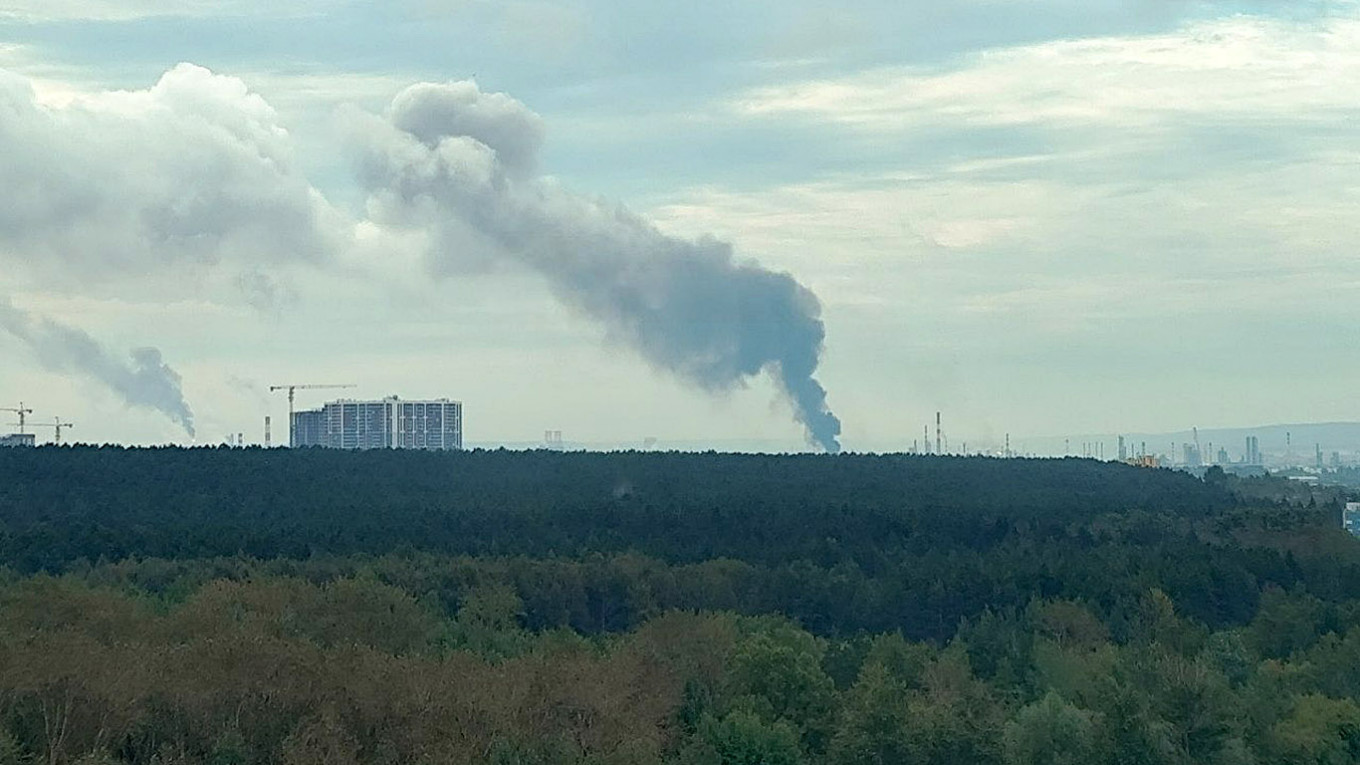
Approximately 74% of the Lukoil-controlled Perm refinery’s capacity is associated with two crude-distillation units that industry sources say are now idle. The latest outage followed an August 21 Ukrainian drone attack at the refinery, Russia’s seventh-largest oil-processing plant by volume, according to a Reuters account carried by Ukrinform. The scale matters because the loss of a few concentrated processing units can constrain an entire refinery’s ability to turn crude oil into usable fuels.
The reported shutdown remains partly unconfirmed. Two industry sources said the plant ceased operations after fires and damage to technical units. Ukrainian President Volodymyr Zelenskiy separately said Ukrainian forces had hit a refinery in Perm, but Lukoil did not respond to a request for comment. Actual operating rates, inventories and product shipments have not been disclosed.
Why the 74% figure matters
Crude-distillation units perform the refinery’s primary separation step, dividing heated crude into streams that feed later processing equipment. If that front-end capacity is unavailable, downstream units may have less material to upgrade into gasoline, diesel and other products, even if those later systems are undamaged and mechanically ready.
The refinery’s CDU-4 unit, halted on August 21 according to the industry sources, represents nearly 40% of plant capacity and can process as much as 14,000 metric tons of oil daily. CDU-5, associated with another 34%, had reportedly remained idle since a July 29 drone strike. Their combined capacity shares produce the approximately 74% figure.
That percentage should not be read as a verified measure of lost output. Refineries can sometimes change operating rates, draw from intermediate inventories or adjust flows among available equipment. Perm also has CDU-1 and CDU-2, each representing 14% of capacity. However, those smaller units collectively account for only 28%, making them insufficient on their own to replace the nameplate capacity associated with the two larger idle units.
The plant normally processes about 12.6 million tonnes of oil, or 252,000 barrels per day. Listed annual production includes 2 million tons of gasoline, 5.3 million tons of diesel and 200,000 tonnes of fuel oil. Those figures describe the refinery’s overall scale, not the amount definitively lost after the attack.
Repairing one unit may not restore the full plant
Preliminary estimates indicated that CDU-4 repairs could require up to two weeks. That timeline is provisional, and no detailed damage assessment has been released. Industrial restoration also involves more than replacing visibly damaged hardware: operators must inspect connected equipment, verify utility services, test controls and confirm that a restarted process can remain within safe operating limits.
Even a successful return of CDU-4 would not automatically restore full capacity while CDU-5 remains idle. The two outages originated on different dates, creating separate repair, inspection and restart demands. This overlap is the central industrial consequence: repeated disruptions can accumulate faster than major processing units return to service.
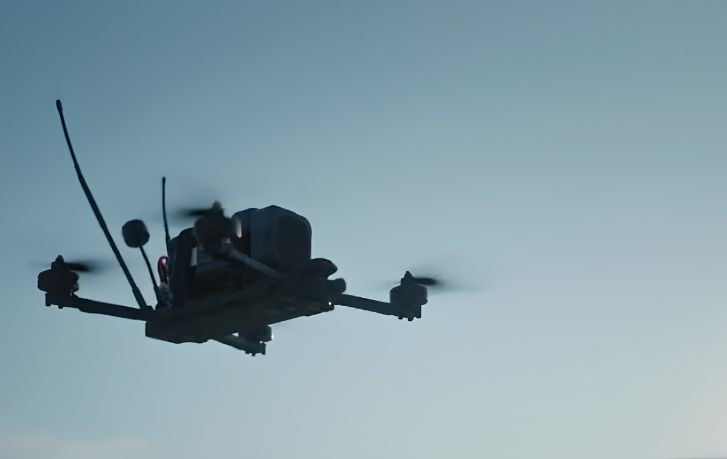
For autonomous-systems observers, Perm also illustrates the disproportionate industrial effect that comparatively small unmanned aircraft can create without requiring destruction of an entire facility. The relevant measure is not the drone’s physical size but the capacity concentrated in equipment taken offline. At the same time, the publicly available information does not establish the precise damage mechanism or support conclusions about specific defensive failures.
Perm enters an already constrained fuel system
Fuel shortages were already being reported in several Russian regions amid refinery disruptions and high seasonal demand. Separate estimates cited by Anadolu put Russian refinery crude runs at about 3.7 million barrels per day in July, 28% below the 2025 average. Russia has also increased gasoline imports from external suppliers.
Those broader conditions make a large refinery outage more consequential, but they do not prove that Perm alone caused any regional shortage. The actual supply effect depends on how long the plant remains down, available fuel inventories, transportation capacity, output at other refineries and the ability to replace local production with imports or redirected shipments.
The Perm plant lies approximately 1,460 kilometers, or 907 miles, northeast of Moscow. Repeated drone-related disruptions at that distance impose a broad readiness and industrial-protection burden, requiring authorities and operators to balance airspace monitoring, facility protection, fire response and repair resources across a large geographic area. The next decisive facts will be verified restart dates and operating rates for CDU-4 and CDU-5. Until those emerge, 74% is best understood as the refinery capacity tied to reported idle units
not a confirmed measure of fuel production lost.
| More aerospace and engineering stories, right in your MSN feed. Follow AMI on MSN |
By Stephen Wallace — Editor for AMI’s aerospace integration and unmanned mobility coverage, focused on drone manufacturing, VTOL systems, autonomous networks, and air-ground mobility links.