$280 Million Air Force One Charge Deepens Boeing’s Quarterly Loss
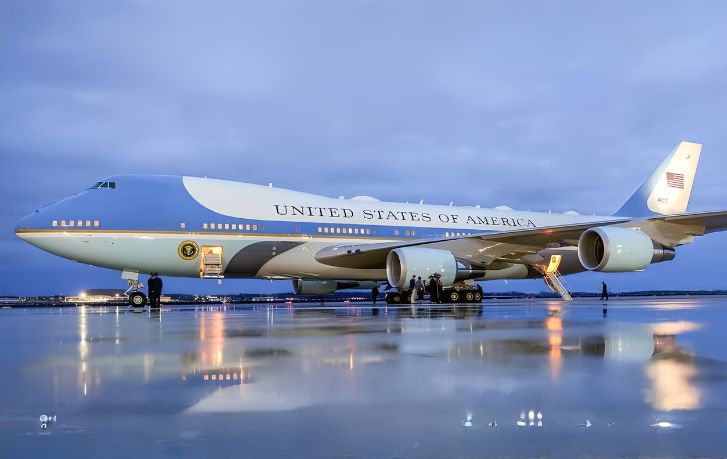
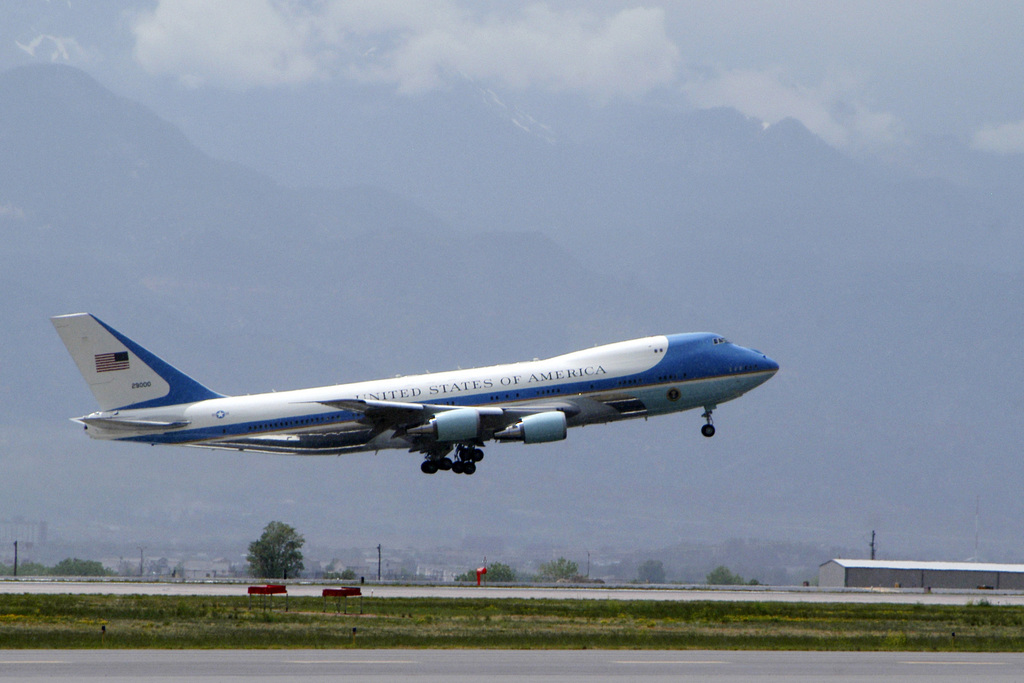
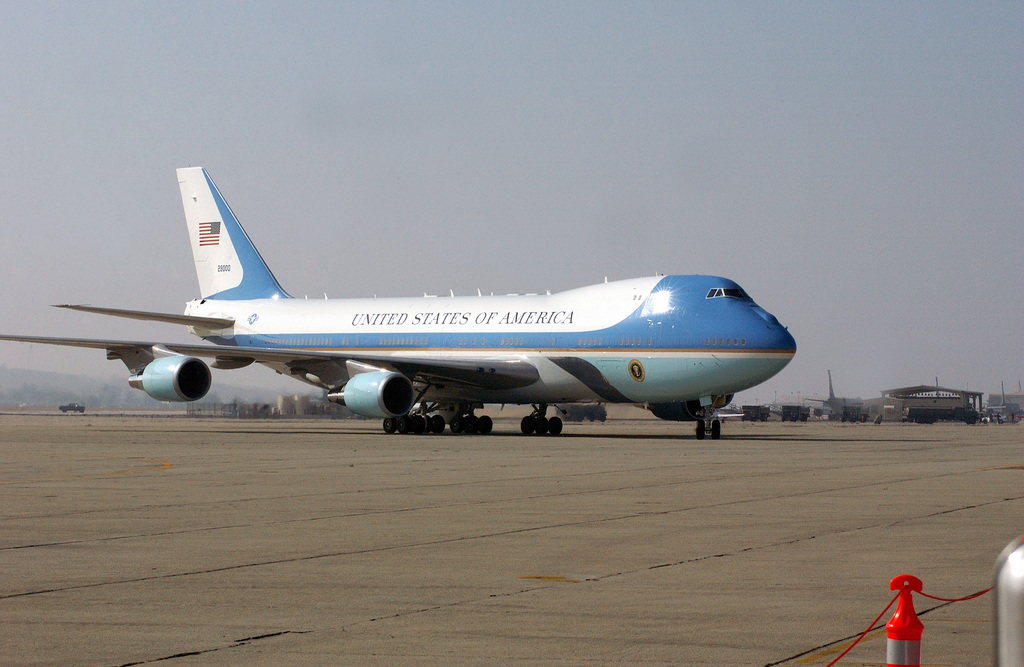
The U.S. Air Force expects Boeing to apply electrical power to the first new Air Force One before the end of 2026, followed by the aircraft’s first flight in 2027. The newly disclosed schedule gives the delayed presidential-aircraft program two concrete milestones ahead of its planned 2028 handover.
Power-on and first flight would represent major advances in integration and testing, but neither confirms that Boeing will deliver the aircraft in 2028. Powering up begins the process of checking whether installed electrical equipment works together as intended. First flight moves the program into airborne testing, with certification and remaining production work still standing between those events and an operational presidential aircraft.
Gen. Dale White, the Air Force official overseeing major programs, said at the AFA Air, Space & Cyber Conference on Sept. 14 that the program had made substantial progress. According to the newly reported Air Force schedule, Boeing was completing electrical work on the lead aircraft while pressing to finish final structural work on the two modified 747-8 airframes.
Why power-on matters
An aircraft can look substantially complete from the outside while still being deep in the integration phase. Initial power application is the point at which engineers can begin evaluating installed electrical systems as a connected aircraft rather than as separate components or bench-tested equipment.
That makes power-on an important diagnostic threshold. It can expose integration work that must be corrected before more extensive ground testing, although the Air Force has not publicly provided results because that milestone has not yet occurred. The event should therefore be read as the start of a demanding test period, not the end of the production challenge.
The first flight carries a similar qualification. Getting the aircraft airborne would demonstrate that it has progressed beyond static ground work and into flight testing. It would not, by itself, establish that the full presidential configuration has completed certification or that the Air Force is ready to accept and operate it.
The distinction is especially important for the VC-25B program because Boeing is not delivering an ordinary passenger 747. The company is converting two 747-8 aircraft into presidential transports, making production, integration and certification interdependent. Work completed in one area can enable testing elsewhere, while an unresolved certification item can remain on the schedule even after the aircraft begins flying.
The path to 2028 remains conditional
White identified critical-path work as a central focus and said substantial structural work had progressed. That work has included stringer crack repairs on the airframes. He also addressed certification issues involving spare windshields and passenger windows, saying he believed the matter was moving in the right direction and that a solution set existed. His comments indicated progress, not completed certification.
The 2028 target already represents a four-year shift from the original 2024 delivery expectation. Boeing agreed in 2018 to build the two aircraft under a $3.9 billion fixed-price contract. In July 2026, the company recorded another $280 million charge for additional production and certification expenses as it worked toward the revised delivery schedule. That charge contributed to Boeing’s $428 million second-quarter loss, but it does not change what must happen technically before Air Force acceptance.
The temporary presidential aircraft donated by Qatar’s royal family also provides some transition experience with the 747-8 platform. White said operating it has helped the Air Force examine the aircraft’s maintenance, sustainment and training requirements. That experience may support preparations for the permanent VC-25B fleet, but it does not substitute for testing and certifying Boeing’s two contracted aircraft in their intended configuration.
The next hard evidence will come from the aircraft itself. If Boeing applies power in 2026, the program can begin demonstrating whether its installed systems are ready for broader ground testing. A 2027 first flight would then open the airborne test phase. Only the work completed after those milestones will show whether the long-delayed 2028 handover remains achievable.
| More aerospace and engineering stories, right in your MSN feed. Follow AMI on MSN |
By David Whitaker — Associate editor for AMI’s aerospace and drone systems desk, translating flight systems, aircraft programs, spaceflight, and UAV developments into accessible technical stories.