Electrician Hiring Emerges as a Constraint on New Air Force One
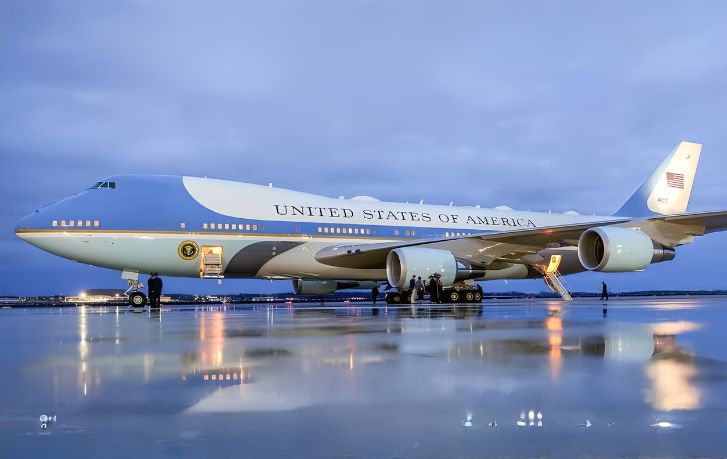
The U.S. Air Force expects Boeing to power on the first permanent new Air Force One before the end of 2026, followed by its first flight in 2027 and delivery in 2028. The planned milestone, detailed in an Air Force program update, would move the delayed presidential-aircraft replacement from extensive modification work toward operating as an integrated airplane.

Boeing is completing electrical work and advancing structural work on the two converted 747-8 airframes. Power-on is more than switching on the lights: It is the point at which installed electrical equipment and interconnected aircraft systems can begin functioning and being checked together. That makes it an early measure of whether years of design, wiring and structural changes are converging into a complete aircraft, although substantial ground testing will still separate power-on from the expected 2027 flight.
A milestone that tests integration
The investigation now turns on whether Boeing can hold that sequence power in 2026, flight in 2027 and delivery in 2028 while closing remaining design, structural and certification work. Gen. Dale White, the Air Force official overseeing major programs, said Boeing has made “tremendous progress” after substantial delays and is pushing to finish final structural work.
Electrical labor has been one practical constraint. Boeing has sought additional electricians to support the work, underscoring how a highly modified aircraft can be limited by skilled labor as much as by major hardware. Every protected communication system and presidential-mission installation must ultimately be supported by the aircraft’s power and data architecture. Power-on allows teams to move from checking individual installations toward evaluating their behavior within the broader aircraft.
Structural work has also progressed on both 747-8s, including repairs involving stringer cracks. Separately, a selected acquisition report identified certification issues involving spare windshields and passenger windows. White said that issue affects the broader 747-8 fleet rather than only these two aircraft and that it appeared to be moving toward a solution. Neither point establishes that the remaining schedule is secure, but both identify the kind of detailed closure work that can govern when flight testing actually begins.
The bridge aircraft provides an operational head start
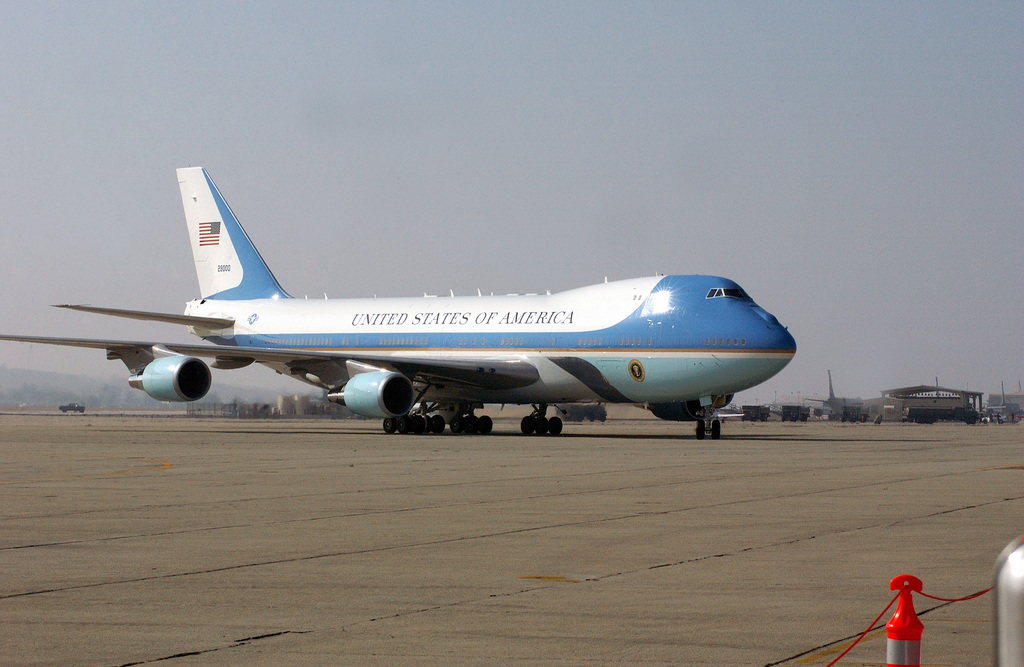
The Qatar-donated 747-8, converted by L3Harris Technologies for interim presidential use, is doing more than filling a schedule gap. According to White, operating the aircraft is helping the Air Force understand how the 747-8 differs in flight, maintenance and sustainment from the older presidential fleet. It is also forcing the service to develop associated training practices before the permanent Boeing aircraft arrive.
That experience cannot erase the permanent aircraft’s remaining test and certification burden. The interim jet was accelerated by omitting some modifications envisioned for the purpose-designed replacements, while still receiving security, protected-communications and defensive upgrades. Air Force Secretary Troy Meink has said the service “meticulously evaluated every requirement” and that the aircraft meets presidential standards. Some outside experts have questioned whether such a rapid conversion can provide security equivalent to the existing presidential aircraft, but no official finding cited here establishes that it does not.
The practical benefit is narrower and measurable: crews and maintainers can begin learning the underlying 747-8 platform before two extensively modified versions enter service. That can reduce the amount of basic fleet familiarization competing with presidential-mission training during the permanent aircraft’s introduction.
Cost and schedule remain the unresolved tests
Boeing is building the two permanent aircraft under a $3.9 billion fixed-price contract signed in 2018. The program is about four years late, and reported costs have grown beyond $5 billion, with Boeing recording billions of dollars in related charges. The interim conversion has separately drawn scrutiny after lawmakers estimated its cost at more than $1 billion, although an official final conversion price has not been provided.
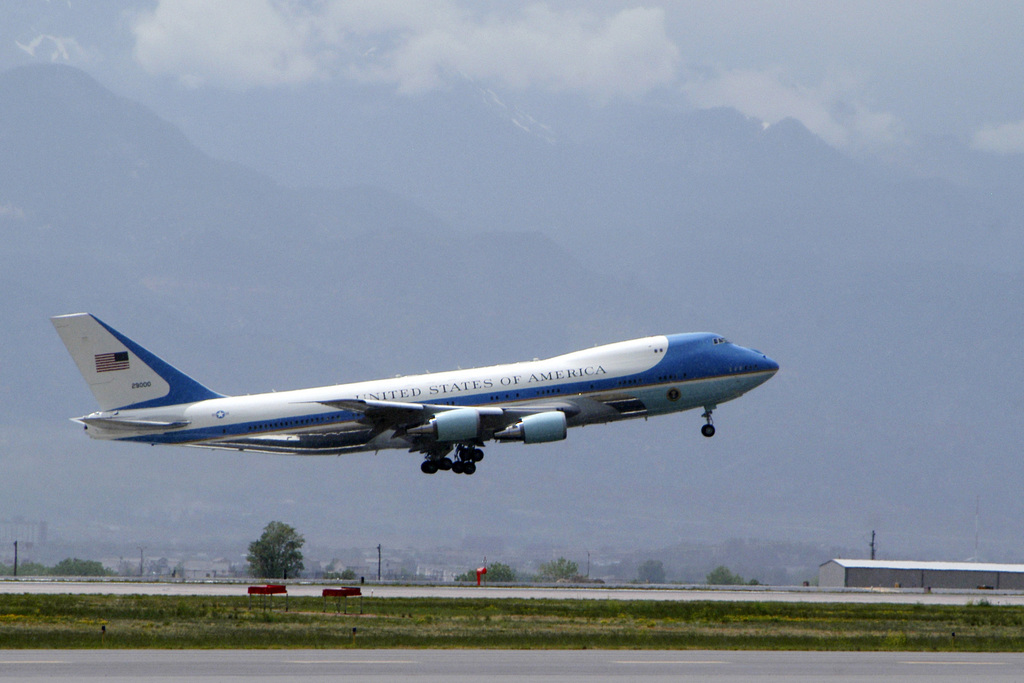
The older Air Force One fleet therefore remains operationally important. A second presidential-capable aircraft is routinely kept available during presidential travel, and an older aircraft was used for a July 2026 departure from Turkey while the converted 747-8 stopped at RAF Mildenhall for service members to tour.
For the permanent replacement, the next revealing event is not another schedule statement but energized hardware. If the first aircraft powers on in 2026, Boeing and the Air Force can begin showing whether the electrical and structural work has produced an integrated platform ready to advance toward flight in 2027 and whether a 2028 delivery remains achievable.
| More aerospace and engineering stories, right in your MSN feed. Follow AMI on MSN |
By David Whitaker — Associate editor for AMI’s aerospace and drone systems desk, translating flight systems, aircraft programs, spaceflight, and UAV developments into accessible technical stories.