Air Force One Power-On Could Expose Integration Faults Before Flight
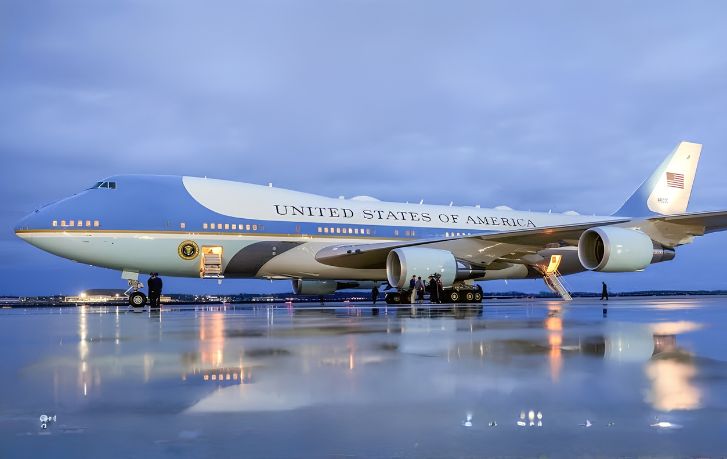
The U.S. Air Force expects Boeing to power on the first new Air Force One before the end of 2026, clearing a pivotal systems-integration milestone ahead of a planned first flight in 2027. The first Boeing-built VC-25B is still targeted for delivery in 2028, after major structural and electrical work that has included repairs to cracked stringers and installation of the wiring needed to bring the aircraft’s systems online.
Power-on will let engineers move from installing hardware to testing how electrical and aircraft systems operate together. Meanwhile, a Qatar-donated 747-8 serving as a bridge aircraft is already helping the Air Force prepare flight crews, maintenance practices, training and support systems for the two permanent VC-25Bs. That operational head start matters because delivering an aircraft and being ready to sustain it are separate challenges.
Gen. Dale White, the Air Force official overseeing major programs, described “tremendous progress” at the Air Force Association’s Air, Space & Cyber Conference on Sept. 14. According to an account of his program update, Boeing has been pushing to finish structural work and hiring electricians to support the final work before power-on.
Why power-on is more than flipping a switch
On a heavily modified aircraft, first power is an engineering transition point rather than a ceremonial event. Until electrical distribution is active, many installed components can be inspected individually but cannot be evaluated as a connected aircraft. Applying power opens the way for functional checks, software and hardware integration, fault isolation and verification that loads are being handled as intended.
It also exposes unfinished work more efficiently. Wiring errors, incompatible interfaces and components that fail under representative electrical loads become easier to identify once systems are operating together. Findings at this stage can still require redesign or rework, so reaching power-on in 2026 does not by itself guarantee the 2027 flight date. It does, however, provide a measurable indication that the lead aircraft is moving beyond extensive structural modification and toward integrated ground testing.
The stringer repairs illustrate why the program could not advance on electrical work alone. Stringers run along an aircraft’s structure and help carry loads through the fuselage. White said structural work, including repairs associated with stringer cracks, has progressed. The update did not identify those repairs as a flight-safety finding or suggest that they caused a particular delay, but completing structural tasks is necessary before affected areas can be closed and the aircraft can advance through later test stages.
Windows remain a certification issue
One unresolved item involves certification of spare windshields and passenger windows. A recent selected acquisition report identified the issue, which White said affects the broader 747-8 fleet rather than only the two presidential aircraft. He said it was trending in the right direction and that a potential solution set existed, but the certification work was not described as complete.
That distinction matters to the 2028 target. A successful first flight would prove that the aircraft has crossed a major test threshold, but delivery also depends on closing certification, design and support requirements. Window availability may sound peripheral beside structural conversion, yet an aircraft cannot enter dependable service without an approved supply of replacement components. Certification therefore intersects directly with fleet availability and long-term maintenance.
The bridge aircraft buys experience, not an instant replacement
The bridge 747-8 gives the Air Force a practical advantage before the permanent aircraft arrive. White said operating it has forced the service to examine how the 747-8 differs in flying, maintenance, sustainment and training. That experience can inform staffing, tooling, procedures and support planning for the Boeing-built fleet rather than leaving those systems to mature only after delivery.
The benefit has limits. Experience with the underlying 747-8 platform does not eliminate the testing and certification required for the permanent presidential aircraft, which incorporate extensive mission-specific structural, communications, power, security and defensive modifications. An available airframe is therefore not an off-the-shelf Air Force One.
That constraint previously shaped the review of existing 747-8 aircraft, including a Qatari-owned jet considered as officials sought a faster transition. Its conversion was estimated to require years and more than $1 billion, while the wider modernization effort has been estimated at approximately $5.1 billion. The aircraft review did not establish that such a candidate could bypass the engineering work controlling the permanent program’s schedule.
The next hard test is now power-on. If Boeing reaches it in 2026, attention will shift from visible structural progress to the less visible but decisive work of finding and closing integration problems before the lead VC-25B can fly in 2027 and still meet the Air Force’s aggressive 2028 delivery target.
| More aerospace and engineering stories, right in your MSN feed. Follow AMI on MSN |
By David Whitaker — Associate editor for AMI’s aerospace and drone systems desk, translating flight systems, aircraft programs, spaceflight, and UAV developments into accessible technical stories.