Japan Investigates Presumed Global Hawk Crash That Could Cut Fleet by One-Third
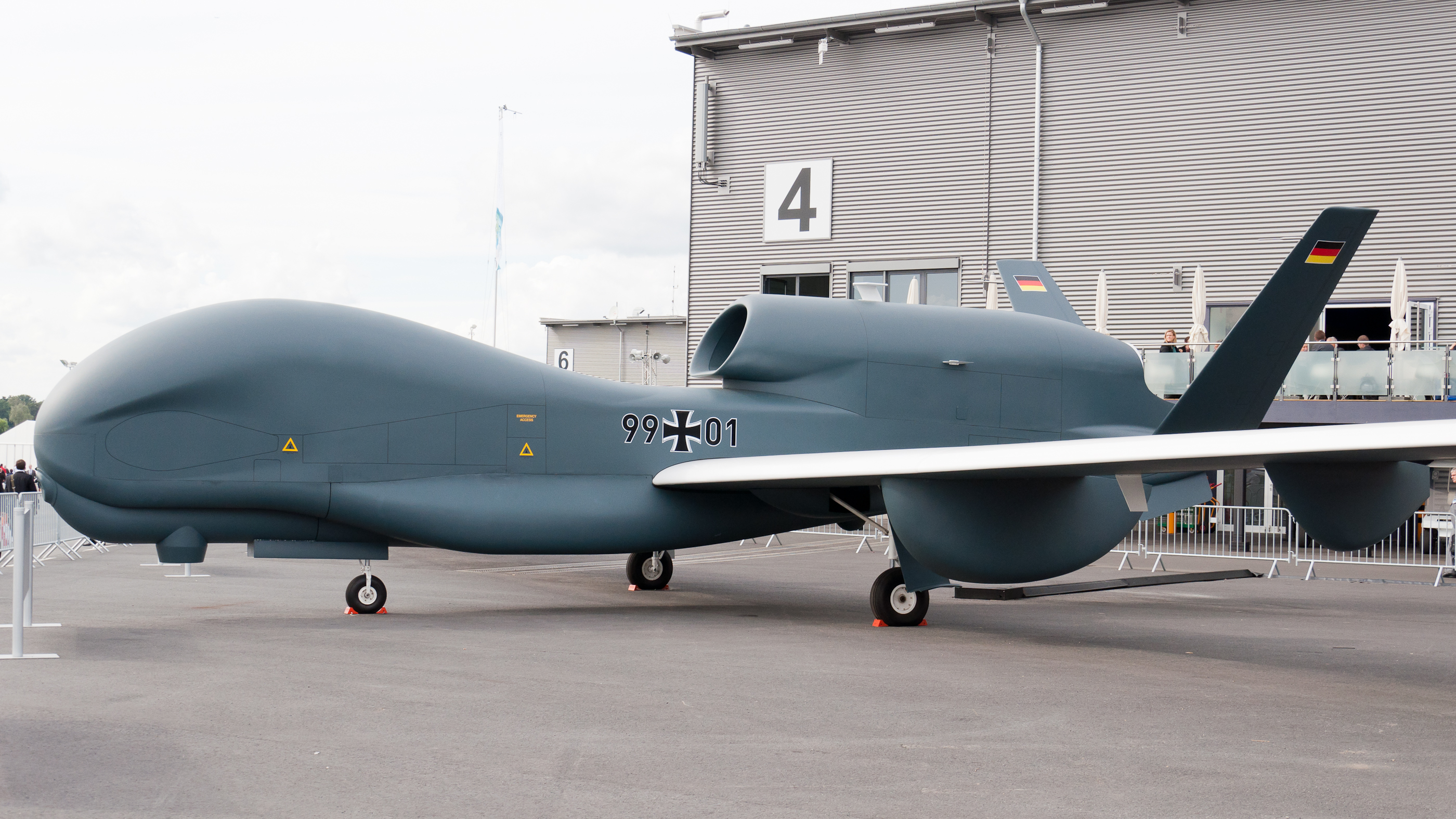
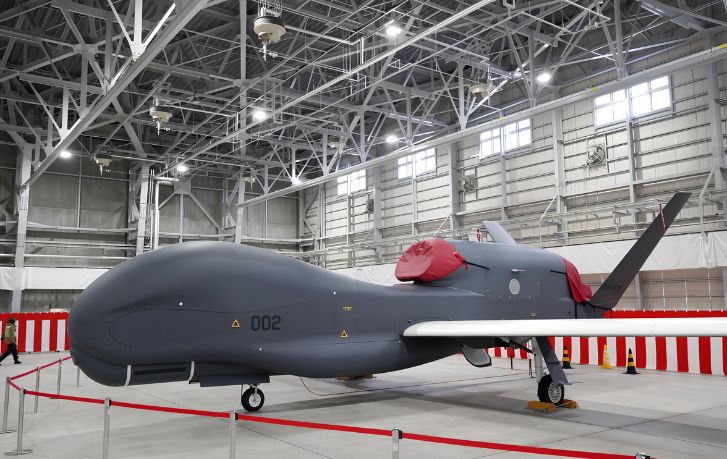
Japan is investigating the presumed sea crash of an RQ-4B Global Hawk after communication trouble was followed three minutes later by the aircraft disappearing from radar. If the loss is confirmed, the Air Self-Defense Force would be left with two of the three long-range surveillance drones it operates.
The uncrewed aircraft departed Misawa Air Base at about 10:20 a.m. on September 15. A communication failure occurred at 12:55 p.m., roughly 90 minutes into the flight, and its radar track disappeared at 12:58 p.m. Its last reported position was approximately 50 kilometers, or 31 miles, off the coast of Tottori Prefecture in western Japan.
A Japan Coast Guard patrol ship and an Air Self-Defense Force fighter later spotted floating debris believed to be from the drone. After examining photographs, the service concluded that the aircraft likely crashed shortly after radar contact ended. Officials reported no related injuries or damage outside the Self-Defense Forces.
The three-minute sequence does not establish a cause
The most important investigative boundary is the difference between the first observed problem and the mechanism that brought down the aircraft. Communication trouble came first, but that timing alone does not establish that a communications failure caused the presumed crash.
A remotely operated aircraft depends on communication links for supervision and control, but losing a link is not automatically equivalent to losing the aircraft. Uncrewed systems can incorporate automated responses intended to preserve flight when contact is interrupted. Investigators therefore must determine whether the communication problem was isolated, a symptom of a wider onboard failure or unrelated to the aircraft’s apparent inability to remain airborne. No answer has yet been announced.
The Air Self-Defense Force plans to establish an accident investigation committee and continue searching around the presumed crash site, according to a September 16 account of the service’s response. Training flights by its other Global Hawks have been canceled. That pause is a precautionary operational response, not a finding that the remaining aircraft share a defect.
Recovery could determine how far the inquiry can move beyond communication and radar records. Physical components may help investigators evaluate the aircraft’s condition, while control and system data could clarify what happened during the three-minute interval. The availability and condition of that information remain unknown.
A small fleet magnifies one aircraft loss
The potential readiness consequence comes from fleet size rather than an official conclusion that Japan’s surveillance mission has been impaired. All three Japanese Global Hawks are based at Misawa. The first arrived in March 2022, and delivery of the third in June 2023 completed the planned fleet.
Removing one aircraft would represent a one-third reduction in the number of Global Hawks available, but aircraft count is not the same as mission availability. Maintenance schedules, crew and ground-system capacity, investigation restrictions and the condition of the two remaining drones would all affect how much surveillance coverage could actually be generated. Japan has not published an operational-readiness assessment tied to the presumed loss.
The scale still matters because the Global Hawk is built for persistence. The aircraft can operate at approximately 60,000 feet and remain airborne for as long as 36 hours, allowing it to monitor distant areas for extended periods without placing an aircrew aboard. Japan uses the type for wide-area surveillance that includes areas of the Asian mainland such as North Korea and China.
That endurance is difficult to replace merely by counting shorter-duration sorties from another platform. Other aircraft may contribute surveillance, but doing so could require different basing, staffing, maintenance and scheduling arrangements. Whether Japan will redistribute missions or use other systems has not been disclosed.
The mission remains undisclosed
Officials said the aircraft was on duty rather than conducting a training flight, but they did not disclose its mission or route. There was no immediate indication of foul play. Without an investigative finding, neither the undisclosed mission nor the communication interruption supports claims of hostile interference, operator error or a particular mechanical failure.
The next consequential facts will come from the search and accident investigation: whether the aircraft is definitively identified, what recoverable records show and whether the service changes operations for the two remaining Global Hawks. Until then, Japan faces a narrow but significant uncertainty an aircraft designed to stay aloft for up to 36 hours apparently vanished from radar within three minutes of its first reported communication problem.
| More aerospace and engineering stories, right in your MSN feed. Follow AMI on MSN |
By Stephen Wallace — Editor for AMI’s aerospace integration and unmanned mobility coverage, focused on drone manufacturing, VTOL systems, autonomous networks, and air-ground mobility links.