Japan Confirms $109 Million Global Hawk Crashed After Losing Ground Connection
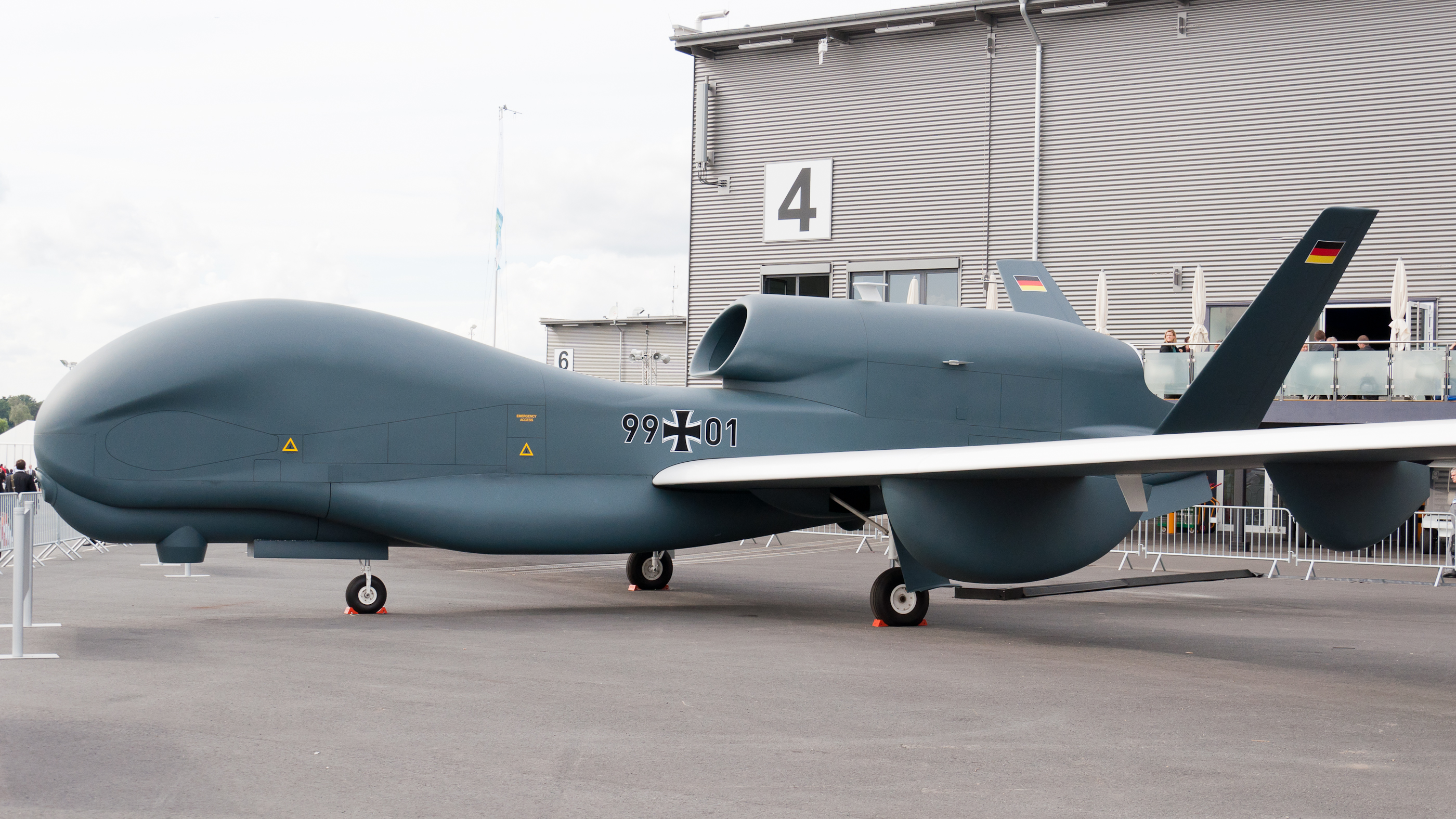
Japan has confirmed that a $109 million Global Hawk surveillance drone crashed in the Sea of Japan after its connection with ground equipment failed. The loss removes one of the Japan Air Self-Defense Force’s three Global Hawks and leaves investigators with a central unanswered question: what happened after the unmanned aircraft lost contact with its controllers?

The aircraft took off from Misawa Air Base at about 10:20 a.m. on September 15. A communications failure occurred at 12:55 p.m., and its radar track disappeared three minutes later about 50 kilometers off Tottori Prefecture. Search crews found floating objects, and the service determined from photographs that they belonged to the missing aircraft. The confirmed loss was the tenth involving a Global Hawk variant since 1999, although earlier accidents had different circumstances and do not establish the cause of Japan’s crash.
No injuries or related damage have been reported, and no cause has been established. The Air Self-Defense Force has dispatched an investigation team to recover the aircraft and examine its communications with ground control along with other possible factors.
The lost link is a starting point, not a cause
A remotely piloted aircraft depends on communications for routine command and supervision, but a broken connection does not by itself explain why an aircraft crashed. The relevant sequence includes the initial connection failure, the aircraft’s response to that condition, its subsequent flight path and any separate technical problem that may have been present. Investigators must distinguish among those elements rather than treating the last known anomaly as a completed explanation.
Global Hawks are designed with lost-link protections that can initiate pre-programmed flight sequences and an automated landing when the aircraft detects that it can no longer communicate normally. Those functions are intended to give the aircraft a predictable response without continuous pilot input. The Air Self-Defense Force has not disclosed whether the protections activated, whether the aircraft followed any programmed route or whether another condition affected its ability to do so.
That uncertainty matters because autonomy is not a single backup switch. Detection logic must recognize the communications state, onboard computers must select the programmed response, navigation and flight-control systems must remain available, and the aircraft must retain the mechanical and electrical ability to execute the commands. Nothing released so far establishes a failure in any one of those layers.
The missing aircraft also carried no flight recorder, according to the service. That does not make an investigation impossible, but it raises the importance of recovering onboard components and preserving ground side records. Communications logs could establish when links degraded or stopped, while control station records may help reconstruct commands, system messages and the aircraft’s reported condition before contact ended. Recovered wreckage may provide separate physical evidence, depending on its condition and completeness.
A small fleet absorbs a large loss
Japan began deploying the U.S.made Global Hawk at Misawa in 2022 and operated three before this accident. Losing one aircraft therefore removes one-third of the fleet by airframe count. That proportion does not automatically translate into a one-third reduction in available surveillance, because actual capacity also depends on maintenance, crew availability, mission duration and how the remaining aircraft are scheduled. It does, however, reduce the margin available when another aircraft requires maintenance or inspection.
The Air Self-Defense Force has halted Global Hawk practice flights during the investigation but said the remaining aircraft may still operate when required for duty. That is a narrower restriction than a complete fleet grounding. It preserves access to the platform for operational requirements while limiting nonessential flying as investigators look for information that could apply to the other two aircraft.
Local authorities are pressing for a broader response. Misawa city requested that all Global Hawk flights be suspended until the cause is determined. Tottori Gov. Shinji Hirai requested details about the accident and recovery effort, saying, We have not received a clear explanation from the Defense Ministry, such as the locations of high-risk waters. His concern adds a public safety and recovery-management issue to the technical inquiry, particularly while debris may remain at sea.
The investigation’s most consequential next findings will be whether ground records show that the aircraft detected the lost link, which automated response if any it initiated, and whether recovered components identify another malfunction. Until those facts emerge, the communications failure is the last confirmed disruption before the crash, not a confirmed cause and the performance of the Global Hawk’s automated protections remains unresolved.
| More aerospace and engineering stories, right in your MSN feed. Follow AMI on MSN |
By Stephen Wallace — Editor for AMI’s aerospace integration and unmanned mobility coverage, focused on drone manufacturing, VTOL systems, autonomous networks, and air-ground mobility links.