Tengiz Output Reportedly Halves After Drone-Related Black Sea Terminal Closure
Output at Tengiz, Kazakhstan’s largest oilfield, reportedly fell to about 406,000 barrels per day on Wednesday from a July average of 925,000 barrels per day. The drop of more than half followed the Caspian Pipeline Consortium’s suspension of tanker loading at its Black Sea terminal in Russia and its decision to stop receiving Kazakh oil after reported drone attacks involving tankers.

The estimate, attributed to an industry source, was not immediately confirmed by Tengiz operator Chevron or Kazakhstan’s energy ministry. The same source put Kazakhstan’s overall oil and gas-condensate production at 1.63 million barrels per day, down roughly 21% from July’s average of 2.07 million. Those figures make the production impact measurable, but they remain industry estimates rather than official results.
The interruption matters because Kazakhstan’s oil is produced far inland while its principal route to international buyers ends at the Black Sea. The CPC system handles more than 80% of the country’s oil exports and moves a volume equivalent to almost 2% of global oil supply. When the terminal stops loading tankers and the pipeline stops accepting crude, that downstream restriction can travel backward through the system until fields reduce output.
A loading halt can become a production constraint
An oilfield cannot necessarily keep producing at its normal rate while waiting indefinitely for export access to return. Pipeline capacity, storage and terminal loading form a connected logistics chain. If crude cannot leave the marine terminal, operators have fewer places to send additional barrels upstream. Storage can provide a buffer, but it does not replace sustained tanker-loading capacity.
Tengiz’s reported reduction illustrates that relationship. Its July average represented nearly 45% of the cited national oil and condensate total. A large adjustment at that single field therefore helps explain much of the national decline, although the available figures do not establish how reductions were distributed across every producer or how long the lower rates might last.
Alternative routes exist, including pipelines toward Russia and China and shipments across the Caspian Sea, but they do not offer a simple one-for-one substitute for CPC. A recent analysis of Kazakhstan’s export options identified the Baku-Supsa route as one possible source of resilience while noting that its reported annual capacity of 5 million tonnes is substantially below the volumes carried by CPC. Redirecting more crude would also require adequate ports, tankers and connecting infrastructure across the entire chain, not merely an agreement to use another pipeline.
That capacity mismatch explains why diversification can reduce the consequences of an interruption without eliminating them. Kazakhstan’s energy minister said in August that earlier disruptions affecting CPC had contributed to nearly 3.5 million tonnes of lost production and a reduction in the country’s 2026 production target from 98 million to 96 million tonnes. Maintenance schedules were also adjusted in an effort to preserve production, according to the published account of those changes.
Repeated interruptions increase continuity pressure
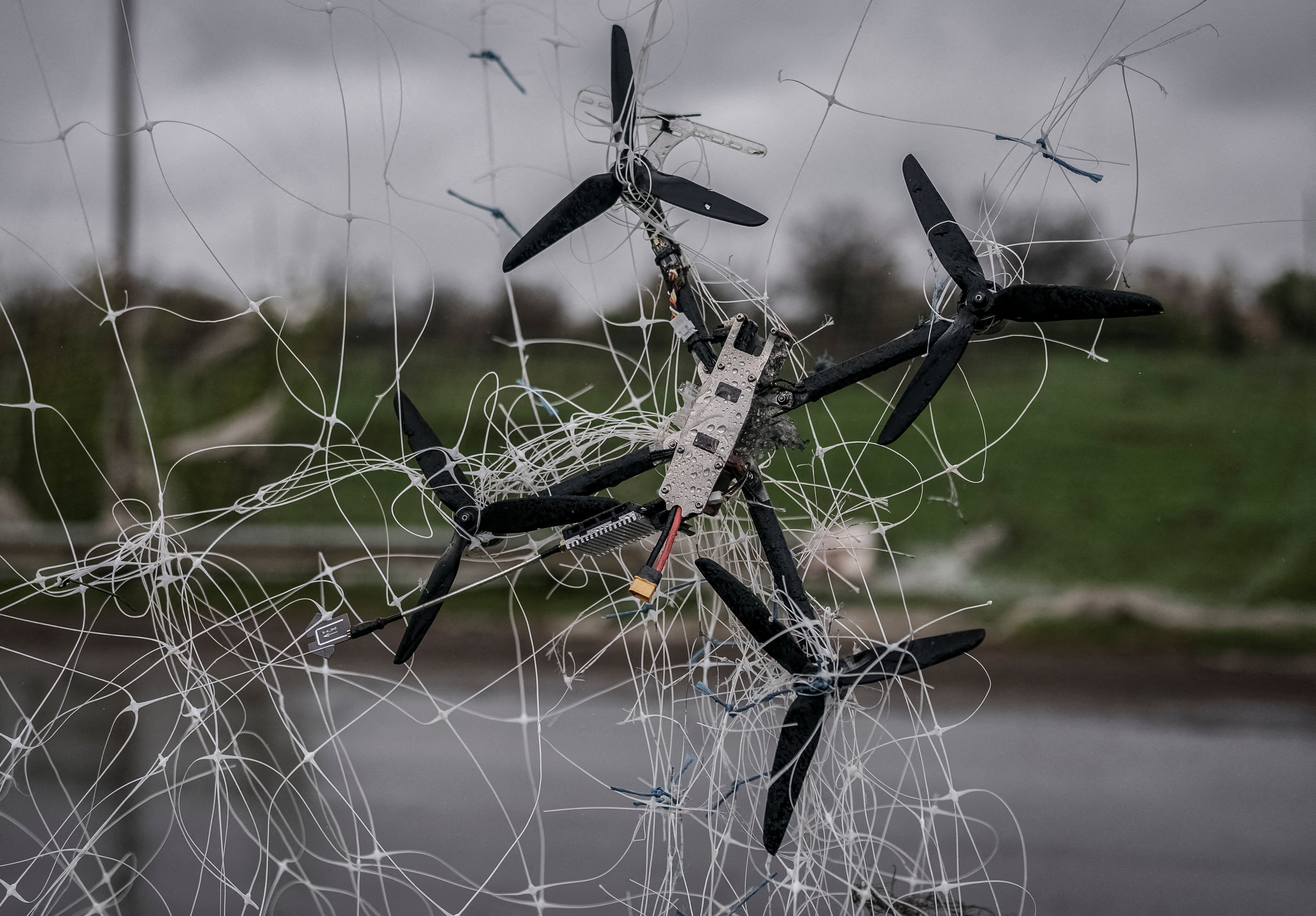
The drone dimension creates a broader readiness problem for industrial operators without resolving who carried out the latest attacks. Russia accused Ukraine of targeting CPC tankers, but Ukraine had not commented. Russia’s allegation, including its claim about motive, therefore remains disputed rather than established.
For CPC and Kazakhstan’s producers, the immediate engineering concern is continuity of inspection, loading and acceptance operations after an incident. Following a separate Sept. 8 drone incident near the terminal, loading at two offshore moorings was temporarily suspended. Kazakhstan’s energy ministry later said inspections found no cargo-system or tanker issues preventing continued operations, no environmental impact was recorded, and loading resumed normally.
That earlier restart shows how inspections can return a terminal to service after a temporary interruption, but it does not establish the condition or likely duration of the latest closure. Nor does it confirm whether the current production estimates will be revised. The unresolved variables are how quickly tanker loading and Kazakh intake resume, how much production can be restored afterward, and whether alternate routes can absorb any meaningful share of the displaced crude.
Until those points are confirmed, the strongest available measure is upstream: Tengiz reportedly lost about 519,000 barrels per day compared with its July average. That steep reduction shows the practical cost of relying on one export system for more than four-fifths of a major producer’s overseas oil shipments.
| More aerospace and engineering stories, right in your MSN feed. Follow AMI on MSN |
By Stephen Wallace — Editor for AMI’s aerospace integration and unmanned mobility coverage, focused on drone manufacturing, VTOL systems, autonomous networks, and air-ground mobility links.