US Approves Proposed $24.3 Billion Saudi F-35 Package, Contract Not Final
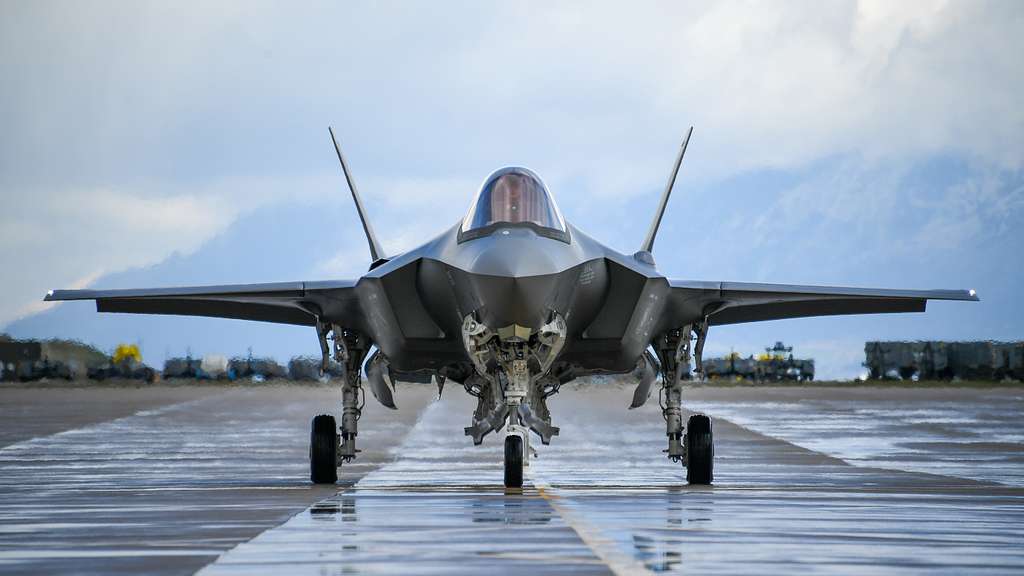
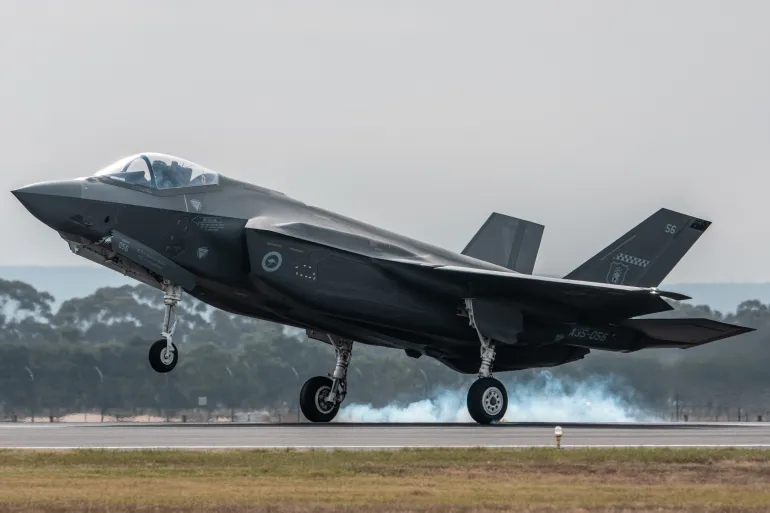
$24.3 billion is the estimated ceiling for a proposed Saudi package covering 48 Lockheed Martin F-35A fighters, 49 Pratt & Whitney F135-PW-100 engines and an extensive group of support items. The U.S. State Department has approved the possible sale, but that formal action does not amount to a signed contract, a final price or a production order.

The proposal now enters a 30-day congressional review period. Congress has the authority to block the transaction. If it proceeds beyond that review, the governments would still have to settle terms through the foreign military sales process. Quantities and prices can change during those negotiations.
What the $24.3 billion figure covers
The headline value applies to a package rather than 48 aircraft alone. Saudi Arabia requested the fighters, 49 engines, communications equipment, spare parts and other support. Additional reporting on the notification identifies support equipment and training among the included elements.
That distinction matters when interpreting the price. Dividing $24.3 billion by 48 would produce a crude figure of about $506 million per aircraft, but it would not represent the unit price of an F-35. The package estimate includes equipment and services needed to introduce and support an aircraft fleet, while the eventual scope and transaction value remain subject to negotiation.
The request for 49 engines means the package includes one more powerplant than aircraft. The available notice does not explain the extra engine’s intended role, so it should not be assigned a specific maintenance or reserve function without further documentation. What can be established is that a completed order at this scale would create prospective demand for both Lockheed Martin’s aircraft production and Pratt & Whitney’s F135 engine operation.
Approval establishes a pathway, not a delivery plan
The State Department action confirms that the U.S. government is prepared to let the proposed transaction advance under the foreign military sales framework. It does not establish when manufacturing slots would become available, when Saudi aircraft would enter production or when deliveries could begin.
Those unanswered questions are central to the industrial meaning of the proposal. A 48-aircraft acquisition would be substantial, but its effect on factory workload cannot be calculated from the package total alone. Production impact depends on the final agreement, configuration, annual build allocation and delivery sequence none of which has been disclosed here.
The same limit applies to sustainment. Communications equipment, spares, training and support indicate that this is intended as a fleet-introduction package rather than a bare aircraft purchase. Yet the notice does not quantify spare-parts inventories, training volume, support duration or long-term maintenance requirements. The $24.3 billion ceiling therefore signals broad scope, not a settled lifecycle cost.
Government rationale remains an attributed assessment
The State Department said the proposal would support U.S. foreign-policy and national-security objectives by improving the security of Saudi Arabia, which it characterized as a major non-NATO ally and a force for political stability and economic progress in the Gulf. It also said the package “will not alter the military balance in the region.” Those are the department’s policy assessments, not independently demonstrated outcomes of a transaction that has yet to be completed.
The immediate consequences fall first on the government review and procurement process. Saudi authorities do not yet have a final purchase price or public delivery schedule. U.S. suppliers have a prospective requirement, but not enough disclosed information to translate it into a firm production forecast. Congress, meanwhile, has a defined period in which it can review or object to the proposal.
If the sale survives that review and reaches a completed agreement, it could add 48 F-35As and 49 F135 engines to the program’s international demand. Until then, the most consequential numbers describe authorization at the upper boundary of a possible package not aircraft under contract or jets assigned delivery dates.
| More aerospace and engineering stories, right in your MSN feed. Follow AMI on MSN |
By David Whitaker — Associate editor for AMI’s aerospace and drone systems desk, translating flight systems, aircraft programs, spaceflight, and UAV developments into accessible technical stories.