F-47 Gets $5 Billion as Apache Procurement Falls Nearly to Zero
The proposed fiscal 2027 U.S. defense budget puts two aircraft programs on sharply different tracks: $5 billion for F-47 fighter development and a reported reduction in Apache helicopter procurement from $361.7 million to $1.5 million. That 99.6% Apache cut is one of the clearest tradeoffs inside a defense plan totaling roughly $1.5 trillion.

The figures remain requests, not final appropriations. The administration requested approximately $1.1 trillion in discretionary defense funding and another $350 billion in mandatory funding, according to a Congressional Research Service review of selected weapon systems. Congress can approve, reject or modify individual amounts, and committees have already proposed changes to several aircraft lines.
A development program gains while procurement contracts
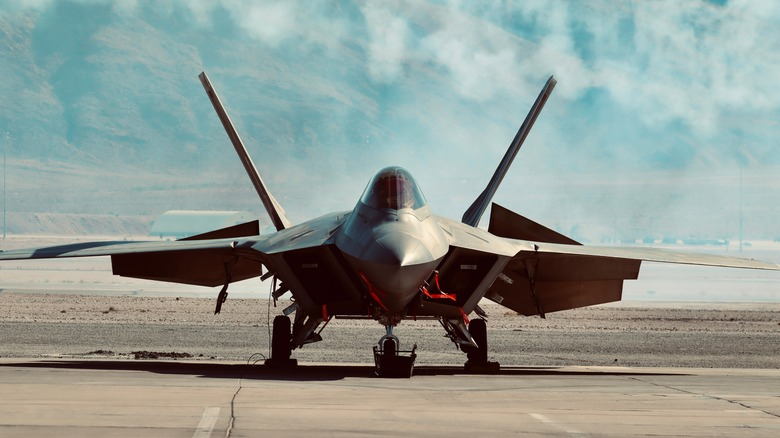
The F-47’s proposed $5 billion is research, development, testing and evaluation money, up about $1.5 billion from fiscal 2026. It is intended to advance the Air Force’s next-generation fighter rather than purchase a mature aircraft already moving through a stable production line.
The Apache number measures a different activity: procurement. That distinction matters because a near-zero aircraft-purchasing line does not mean the Army would immediately stop operating, maintaining or upgrading its Apache fleet. Broader tables combining procurement, development, spares and repair parts can produce a higher Apache total; CRS lists approximately $280 million across those selected categories. The reported $1.5 million figure refers specifically to the sharply reduced procurement account.
Nor does one thin annual procurement request prove that the helicopter has been declared obsolete. The Army still has a large installed fleet and the associated maintenance, training, supply and upgrade obligations. The Defense Logistics Agency has also described a nearly $4.7 billion order for new Apache builds awarded in late 2025, even as the service develops plans to divest an undetermined number of aging airframes. Existing contracts and fleet support can therefore continue despite a steep reduction in one subsequent annual request.
The helicopter reductions extend beyond Apache
The comparison is not limited to one Army aircraft. Proposed Black Hawk procurement falls from $913 million to $39.3 million, while Chinook funding declines from $629 million to $210 million. Taken together, those reductions would put pressure on established rotorcraft production and supplier workloads if Congress ultimately carries them into enacted appropriations.
The industrial effect would depend on more than the headline percentages. Backlogged orders, foreign customers, multiyear contracts, upgrade work and sustainment demand can keep factories and suppliers active even when a new federal procurement line drops. Still, large year-to-year changes make planning harder for manufacturers because specialized labor, tooling and qualified suppliers cannot be switched between helicopter and fighter programs instantly.
Missiles and space receive the larger expansion
The F-47 is only one beneficiary of the proposed mix. Air Force missile procurement would rise from $6.3 billion to $11.4 billion, while Army missile spending would jump from $7 billion to $37 billion. Space Force funding would increase 77% to $71.2 billion, accompanied by a proposed active-duty increase from 10,657 to 13,200 personnel.
Golden Dome missile defense would receive $17.5 billion, with $400 million in the discretionary base request and most of the remainder dependent on mandatory funding. That financing structure is significant: industrial expansion requires appropriated money, contracts and durable demand, not simply a large requested total. Missile manufacturers deciding whether to add facilities, workers and suppliers need confidence that elevated orders will persist long enough to justify the investment.
Other aircraft results are mixed. The Navy’s next-generation F/A-XX fighter receives $140 million in the reported proposal, the E-7 Wedgetail receives no requested development or procurement funding, and Collaborative Combat Aircraft receive approximately $1 billion. Sentinel intercontinental ballistic missile funding declines by $300 million to $4.5 billion.
Congressional action already shows why the request should not be mistaken for the final program map. The House Appropriations Committee has proposed funding the administration did not request for additional Black Hawks, the E-7A Wedgetail and further F/A-XX development. The decisive comparison, therefore, is not just F-47 versus Apache. It is between an administration proposal that concentrates money in selected fighters, missiles and space systems and a congressional process that can restore, reduce or redirect every one of those lines before fiscal 2027 funding becomes law.
| More aerospace and engineering stories, right in your MSN feed. Follow AMI on MSN |
By David Whitaker — Associate editor for AMI’s aerospace and drone systems desk, translating flight systems, aircraft programs, spaceflight, and UAV developments into accessible technical stories.