Air Force Accelerates Nearly $2 Billion in Ellsworth B-21 Upgrades
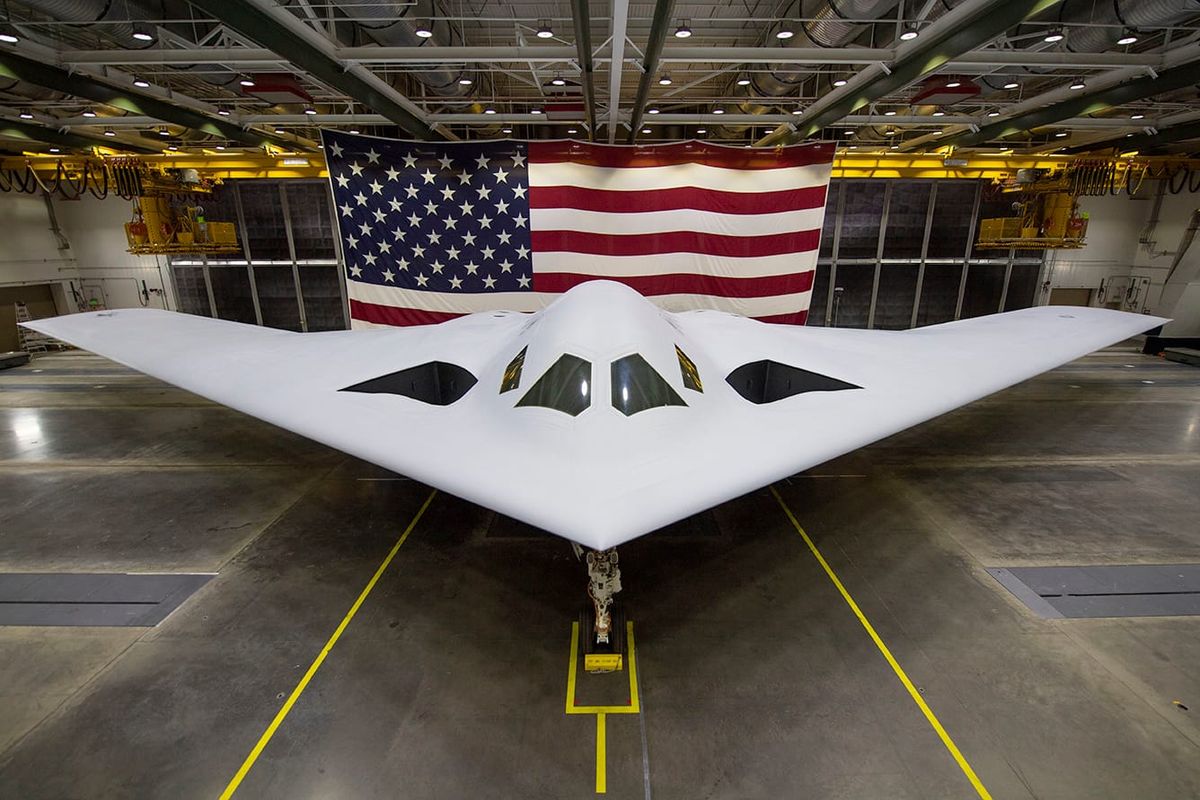
Nearly $2 billion is being spent to prepare Ellsworth Air Force Base in South Dakota for the B-21 Raider and that figure does not include buying the bombers. The construction program is intended to give the Air Force the specialized maintenance, secure support and training infrastructure required before the first operational B-21s are expected at the base in 2027.
The Air Force made the transition more concrete on Sept. 9, 2026, by activating a dedicated B-21 Integration Detachment at Ellsworth. According to the Air Force Global Strike Command announcement, the unit will coordinate construction, communications, crew training, nuclear preparation and mission-system integration while Ellsworth continues operating its B-1B Lancer force. The service says the B-21 remains on track for delivery to Ellsworth in 2027.
What nearly $2 billion buys
The largest point is not any single building. It is the need to turn an existing bomber base into a complete operating, maintenance and training system for a materially different aircraft.
Construction includes a Low Observable Restoration Facility where technicians can inspect, clean and repair the B-21’s radar-absorbent materials indoors. Controlled working conditions matter because low-observable performance depends partly on the condition of the aircraft’s exterior materials. Providing an appropriate environment for restoration is intended to preserve the bomber’s radar-evading signature while reducing the time it remains unavailable for maintenance.
A Wash Rack and General Maintenance Hangar is also being built or configured specifically for the B-21. The broader program covers secure communications, mission systems, aircraft-support infrastructure and training facilities. Ellsworth will be both the first main operating base and the home of the B-21 Formal Training Unit, giving it responsibility not only for operating aircraft but also for preparing crews for the new bomber.
That combined role helps explain the scale of the bill. A base receiving a new aircraft needs more than parking space and a runway. Maintenance workflows, technical spaces, communications, training pipelines and security arrangements must work together before the aircraft can deliver a sustainable operational capability. The roughly $2 billion therefore buys the surrounding system needed to use the B-21, not additional bombers.
A cost beyond aircraft procurement
For taxpayers, the distinction is important. Aircraft procurement figures do not capture the full public cost of introducing a new fleet. Facilities have to support daily inspection and repair, personnel must train on new equipment, and mission systems must be installed and validated. Those expenses can arrive years before an operational unit receives its first aircraft.
Ellsworth already supports strategic bombers, but its current B-1B infrastructure cannot simply be assumed to meet every B-21 requirement. The Raider brings different low-observable maintenance, mission-support and security needs. Reusing an established base avoids creating an installation from scratch, yet the existing location still requires extensive adaptation.
The Air Force is also choosing to develop construction, communications and crew training in parallel rather than waiting for one track to finish before starting another. That approach is intended to reduce transition lag, but it creates a demanding integration problem: building schedules, equipment installation, training and certification must converge around the aircraft’s arrival. The new detachment gives one commander responsibility for connecting those dependencies while the 28th Bomb Wing remains focused on its operational B-1 mission.
This structure also makes Ellsworth a test case for later B-21 basing. Air Force officials say lessons from the first transition are intended to inform future beddowns at Whiteman and Dyess Air Force Bases. That does not establish what later upgrades will cost, but it gives the Ellsworth investment significance beyond one installation: procedures developed there could reduce avoidable delays when other bases transition.
The aircraft and the base must mature together
B-21 flight testing is continuing at Edwards Air Force Base. In June, the Air Force reported that an operational test pilot had flown the aircraft alongside a developmental test pilot, a step toward evaluation centered on operational employment, weapons integration and survivability. The official procurement objective remains at least 100 aircraft. Expanded production capacity may allow a larger fleet, but no purchase above that objective has been confirmed.
Ellsworth’s immediate constraint is more definite. Before operational B-21s arrive in 2027, the Air Force must finish enough of a nearly $2 billion support system to maintain the aircraft, train its crews and connect the bomber to its mission infrastructure. The cost of the Raider begins well before the first one joins the flight line.
| More aerospace and engineering stories, right in your MSN feed. Follow AMI on MSN |
By David Whitaker — Associate editor for AMI’s aerospace and drone systems desk, translating flight systems, aircraft programs, spaceflight, and UAV developments into accessible technical stories.