Russia’s August Fuel Imports Were Triple Its Total for All of 2025
Russia imported a record 172,000 tonnes of refined fuel in August 2026, more than seven times its previous monthly high since the full-scale invasion began. The total, valued at EUR 114 million, was also three times Russia’s fuel-import volume for all of 2025, according to an August analysis by the Centre for Research on Energy and Clean Air.
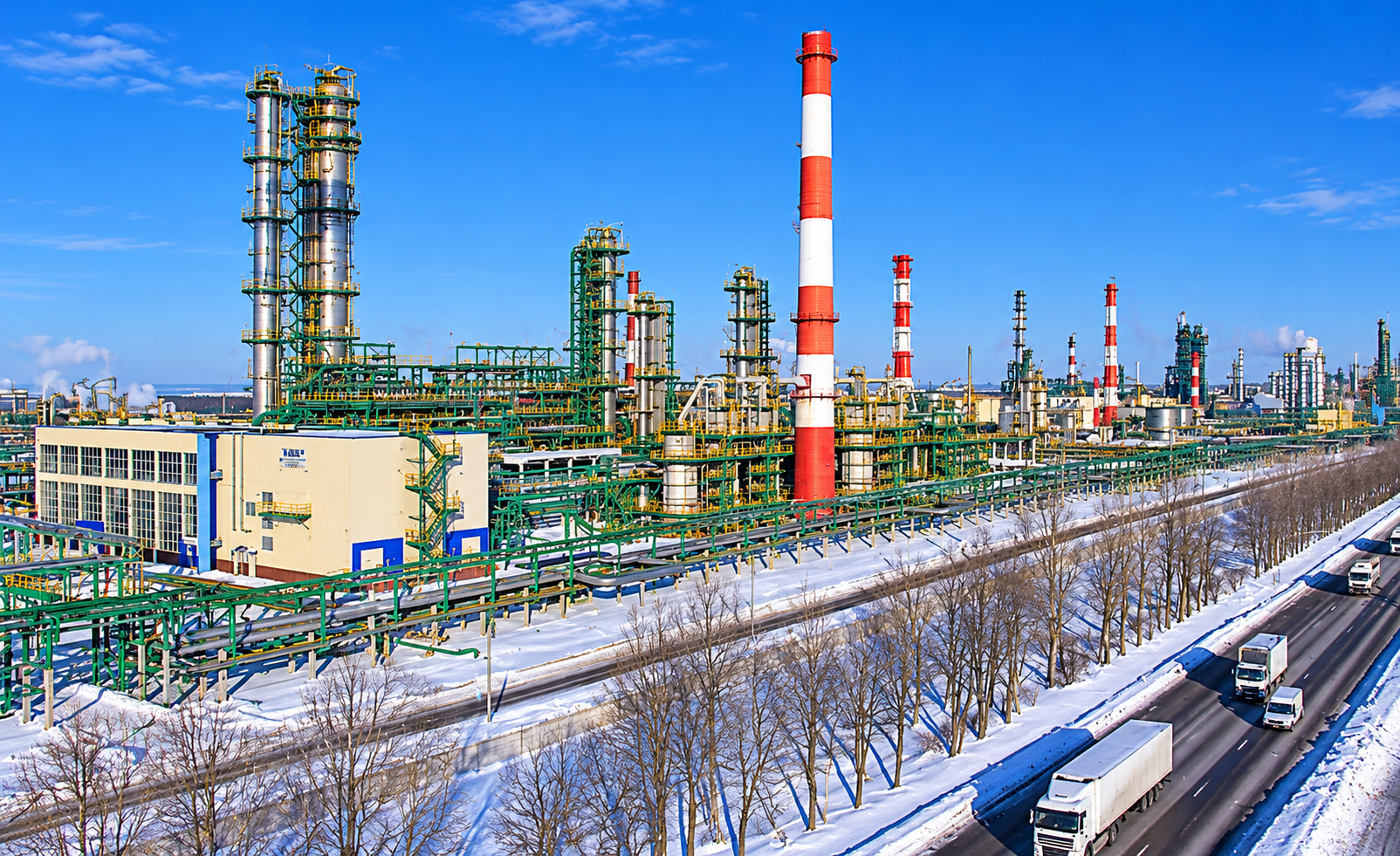
The import surge came as Russian refinery throughput remained broadly depressed and exports of refined products declined. However, the available data do not isolate how much of that change resulted from the separate shutdowns at Lukoil’s Nizhny Novgorod, Perm and Volgograd refineries. They also do not establish repair schedules, restart dates or the amount of Lukoil capacity that remained unavailable through the month.
What the August figures do establish is a system-level reversal. Russia, historically a major exporter of refined petroleum products, was obtaining much larger volumes of fuel from foreign refineries while loading substantially less product at its own ports. Revenue from seaborne oil-product exports unloaded at destination ports fell 32% from July to EUR 78 million per day, the lowest level since the full-scale invasion began. Export volumes fell 21% month on month.
The loading data indicate that this was more than a one-month price effect. Russian ports loaded less than half as much oil product in August 2026 as they did in August 2025, extending a decline that had continued for three consecutive months. Domestic demand was receiving priority while gasoline, diesel and aviation fuel remained subject to export restrictions.
Imports became a substitute for constrained refining
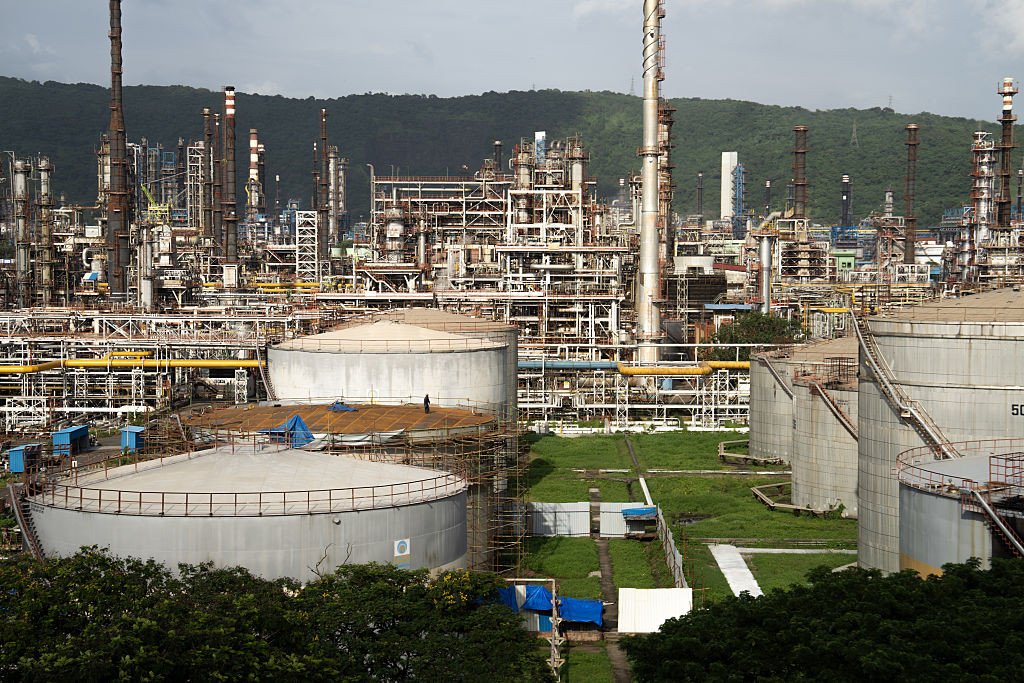
Gasoline represented 74% of Russia’s August oil-product imports, compared with only 6% between 2023 and 2025. India supplied 70% of all imported oil products and 94% of imported gasoline during the month. That included 120,000 tonnes of gasoline from the Vadinar refinery, which had sourced all its crude from Russia during the first eight months of 2026.
This arrangement illustrates the operational cost of losing usable refining output even when crude remains available. Crude oil and finished gasoline are not interchangeable within a distribution system. When domestic conversion capacity is constrained, fuel must be refined elsewhere, purchased back and transported over much longer routes. Those steps introduce freight, handling and insurance expenses that would not exist if the same material could be processed near its intended market.
South Korea supplied another 18,000 tonnes of oil products, mostly gasoil. That was 41% above the previous post-invasion monthly record set in July and eight times the three-year monthly average. The quantities remain modest relative to Russia’s overall petroleum industry, but the abrupt change in direction is significant: imports were being used to support parts of the fuel network while product exports contracted.
Distributed drone pressure creates an industrial readiness problem
The refinery disruption also demonstrates how repeated long-range drone operations can impose pressure beyond the facility most recently affected. Lukoil’s Nizhny Novgorod refinery suspended crude processing on August 26 after a reported Ukrainian drone strike. It was described as Russia’s fourth-largest refinery by capacity and second-largest petrol producer. The company’s other major Russian refineries at Perm and Volgograd were already offline following separate attacks.
For industrial operators, multiple concurrent outages complicate recovery because restart decisions involve more than replacing visibly damaged equipment. Processing units, connections between units and plant-wide facilities were reportedly affected at Nizhny Novgorod. No repair duration was established. Without verified inspection findings and restart data, it is not possible to determine whether the limiting factor is equipment replacement, shared utilities, safety checks or another plant requirement.
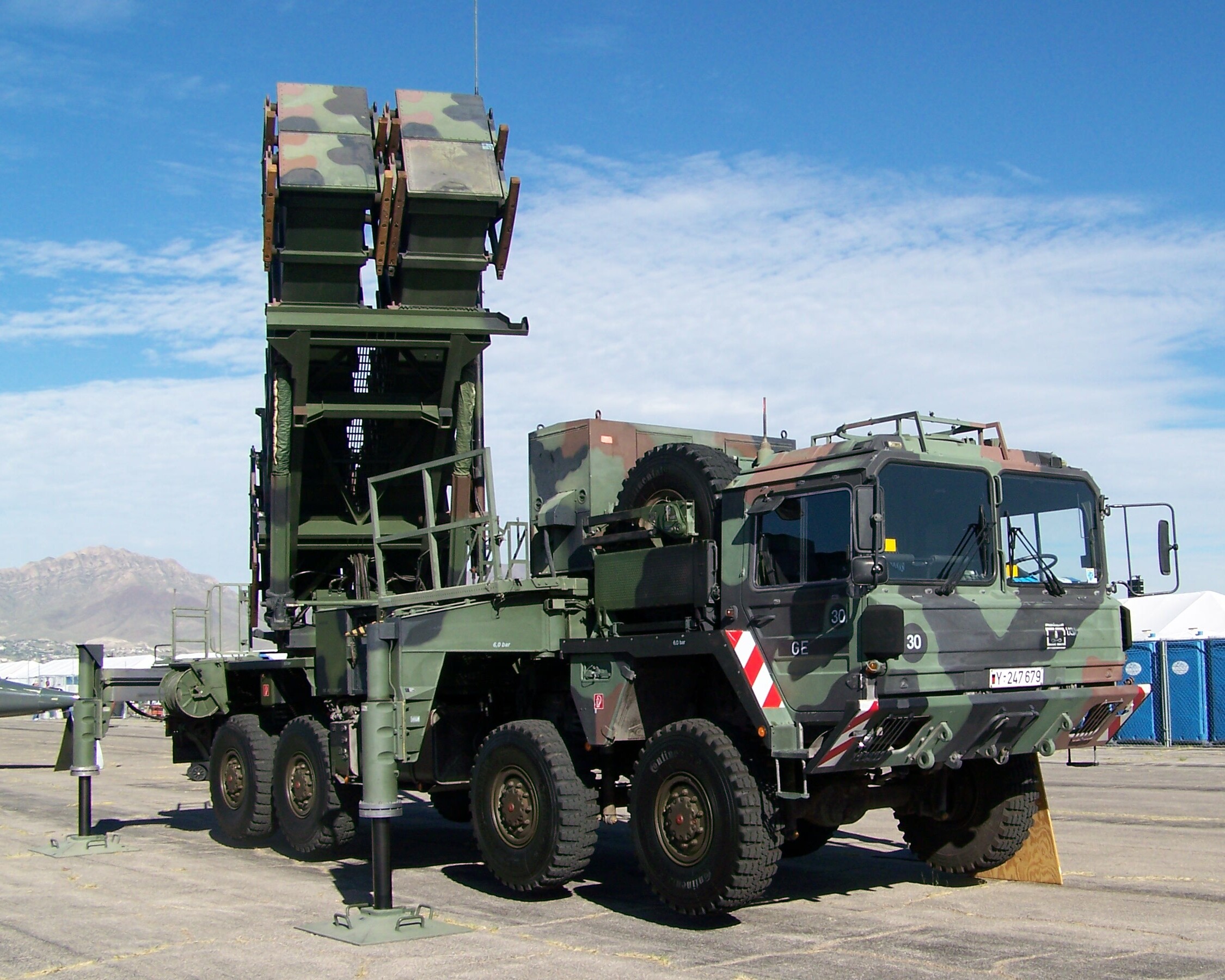
At the national level, repeated drone incidents also spread air-defense and emergency-response demands across geographically separated industrial sites. The public data do not reveal interception performance or prove that any particular defensive allocation caused an outage. They do show the readiness challenge: authorities and plant operators must protect, inspect and potentially restore several large facilities while maintaining fuel distribution.
The next decisive evidence will be operational rather than declarative confirmed refinery restarts, recovered throughput, normalized inventories and a sustained return of product loadings. Until those indicators appear, the clearest measurable consequence remains the August reversal: record fuel imports accompanied by the lowest seaborne product-export revenue of the full-scale invasion.
| More aerospace and engineering stories, right in your MSN feed. Follow AMI on MSN |
By Stephen Wallace — Editor for AMI’s aerospace integration and unmanned mobility coverage, focused on drone manufacturing, VTOL systems, autonomous networks, and air-ground mobility links.