U.S. Fired 1,000 Tomahawks in 38 Days, Straining Missile Supplies
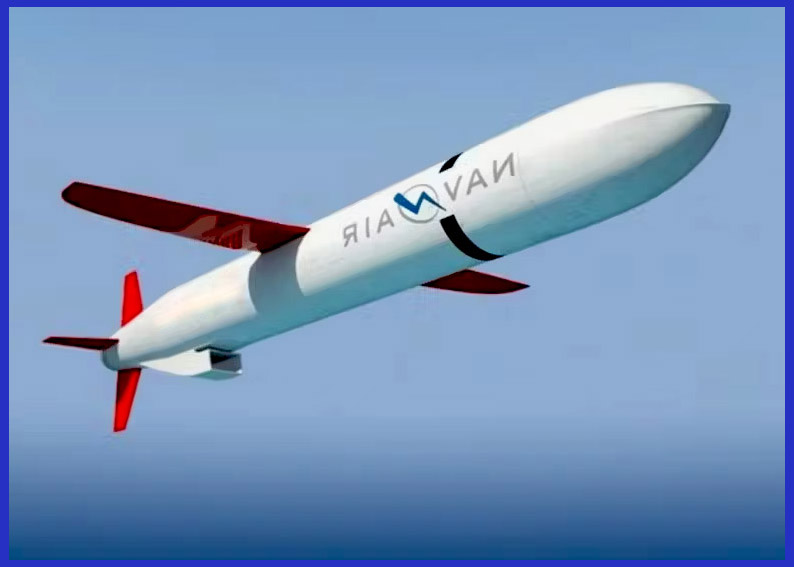
More than 1,000 Tomahawk cruise missiles in 38 days: That is the reported scale of U.S. expenditure during the war with Iran, roughly 10 times the number the Pentagon currently purchases in a year. The comparison captures the central readiness problem left after the cease-fire not simply what was fired, but how slowly some of the most sophisticated weapons can be replaced.
The Defense Department has not publicly released a complete count of munitions used. The figures come from internal department estimates and administration and congressional officials, so they should not be treated as an official public inventory statement. Even with that qualification, the reported use across several missile families points to a substantial drawdown with consequences beyond the Middle East.
The depletion extended well beyond Tomahawks
U.S. forces reportedly used around 1,100 long-range stealth cruise missiles that had been intended for a possible conflict with China. Reporting placed that expenditure close to the quantity remaining, although publishing granular estimates of residual inventories would create a false sense of precision around numbers the Pentagon has not confirmed publicly.
The defensive side was also costly. The Pentagon reportedly fired more than 1,200 Patriot interceptors, each priced at more than $4 million. At that stated unit cost, those interceptors alone represent more than $4.8 billion, before accounting for launch equipment, deployment, sustainment or the other weapons used.
Reported expenditure also included more than 1,000 Precision Strike Missiles and Army Tactical Missile System weapons. These are not interchangeable rounds pulled from one generic missile pool. Each family has its own production line, suppliers, test requirements and approved configuration, so replenishing one category does not restore readiness in another.
The Defense Department says U.S. forces struck more than 13,000 targets during the conflict, but that figure cannot be converted directly into a weapon count. Officials cautioned that aircraft and artillery can hit a large target multiple times. The campaign total therefore provides scale, not a reliable procurement ledger.
Readiness was redistributed, not merely consumed
Administration and congressional officials said bombs, missiles and other hardware were moved from commands in Asia and Europe to the Middle East. Those transfers reportedly reduced the readiness margin available to commands responsible for potential contingencies involving China and Russia.
That is the cross-regional consequence of a globally managed arsenal. Moving an interceptor or cruise missile can solve an immediate demand in one theater, but it does not create another round for the command that released it. The transfer buys time at the expense of flexibility elsewhere, especially when replacement output is measured in annual production rather than wartime consumption.
Tomahawk makes the mismatch particularly visible. The Congressional Research Service’s review of the fiscal 2027 defense request shows the Pentagon seeking funding for 785 Tactical Tomahawks 727 through mandatory funding and 58 through discretionary funding. That request is much larger than recent annual purchases, yet it remains below the more than 1,000 reportedly fired in 38 days. Funding authority also does not mean that every missile can leave a factory within that fiscal year.
More money cannot instantly expand a missile factory
The broader fiscal 2027 submission requests $95 billion in procurement and research funding for missiles and munitions. For selected programs reviewed by CRS, the request totals $52.9 billion. The scale signals urgency, but budgets and physical output operate on different clocks.
Missile production depends on more than final assembly. A CSIS assessment of the air- and missile-defense industrial base identifies shared constraints including solid rocket motors, energetic materials, seekers, electronics, actuators, testing capacity, skilled workers and qualified suppliers. Those bottlenecks can affect several programs at once. New facilities must be equipped, workers trained and suppliers qualified; components and completed rounds still have to pass demanding acceptance tests.
Long-term orders can help manufacturers justify capital spending and workforce expansion. Shared production with allies can also add capacity: Germany and the United States signed an agreement this month aimed at expanding licensed manufacturing and sustainment, with German production of the latest Patriot interceptor expected to begin later this year. Officials are also considering which Tomahawk components Germany could supply. That is an industrial expansion step, not an immediate refill of U.S. magazines.
The Precision Strike Missile illustrates the same timing constraint. The Army recently awarded Lockheed Martin an agreement worth up to $1.2 billion for initial production, future orders and continued development of the Increment 2 variant. Work under that arrangement is expected to run through September 2031, while additional flight tests are scheduled for 2027. Even an urgent program must move through testing, production maturation and delivery.
White House officials declined to estimate the war’s total cost. Two independent groups placed it between $28 billion and $35 billion just under $1 billion per day but those estimates are not official totals. Replenishment will add procurement costs beyond the campaign itself.
Less expensive weapons and higher-volume production are being pursued as ways to improve the cost exchange, but neither is yet a blanket replacement for long-range cruise missiles or high-end air-defense interceptors. After 38 days, the hard constraint is on the factory floor: the United States reportedly consumed more than 1,000 Tomahawks, while even its sharply expanded fiscal 2027 funding request covers 785.
| More aerospace and engineering stories, right in your MSN feed. Follow AMI on MSN |
By David Whitaker — Associate editor for AMI’s aerospace and drone systems desk, translating flight systems, aircraft programs, spaceflight, and UAV developments into accessible technical stories.