Russian Refineries Restart, but Motorists Still Face Fuel Shortages
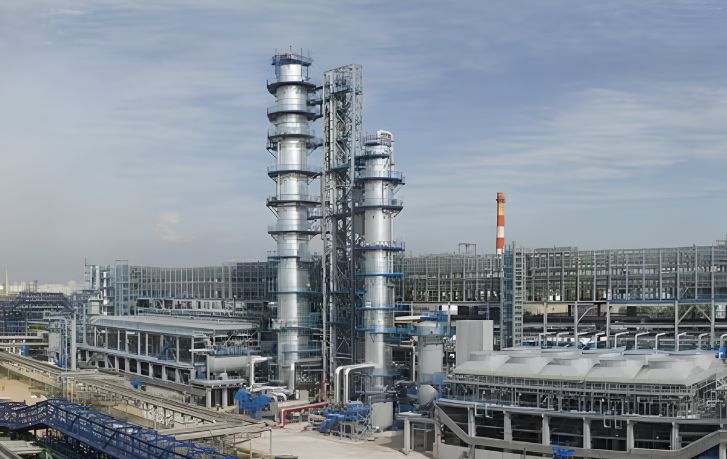
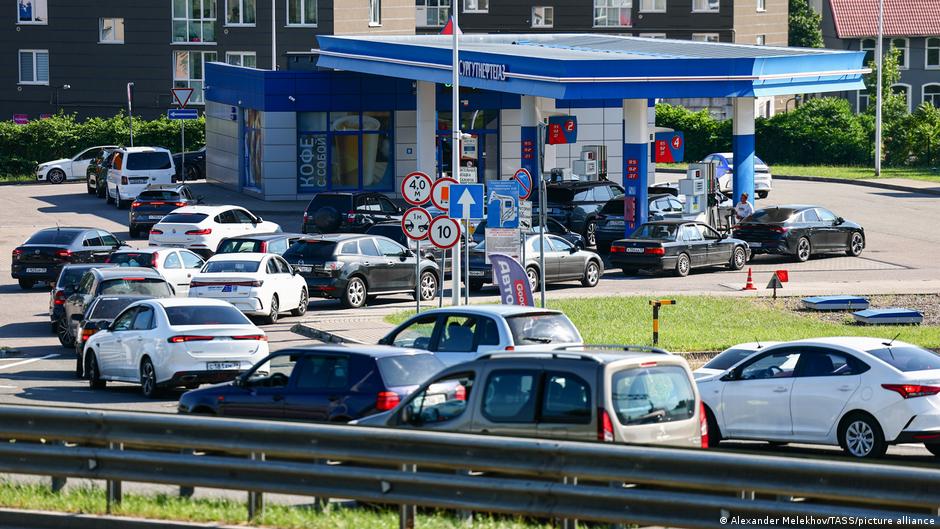
Several Russian oil refineries are operating again after repairs, but restarting equipment is not the same as restoring fuel at filling stations. Motorists have faced more than three months of gasoline and diesel shortages, including rationing, empty pumps and long queues, while the amount of processing capacity brought back online remains undisclosed.
Deputy Prime Minister Alexander Novak said on August 24 that several refineries had resumed operation and officials expected domestic supply to rise, taking logistics into account. He also said federal officials, regional authorities and fuel companies were meeting twice weekly as conditions changed. Russia has not named the restarted plants, quantified their returned capacity or confirmed that retail shortages have eased.
That missing capacity figure is central. A refinery is a collection of linked process units, not a single machine that simply switches from stopped to fully productive. Crude-distillation equipment begins the separation process, while more complex secondary units increase the yield and quality of gasoline, diesel and other lighter products. A plant can therefore resume some operation without recovering its former product mix or output.
The International Energy Agency says Russia has 32 major refineries with about 6.5 million barrels per day of installed capacity. It estimated that throughput fell to 3.8 million barrels per day in June, the lowest level in more than 20 years and about 30% below the previous year. Gasoline output was reported down 20% from 2025, while diesel production was estimated to have fallen nearly 30%.
Those figures explain why an unspecified group of restarts cannot establish that the shortage is ending. Nameplate capacity describes what equipment is designed to process under appropriate conditions. Available throughput depends on which units are operating, their condition, feedstock supply, maintenance requirements and the products the refinery can actually finish to usable specifications.
Repairs must reconnect with distribution
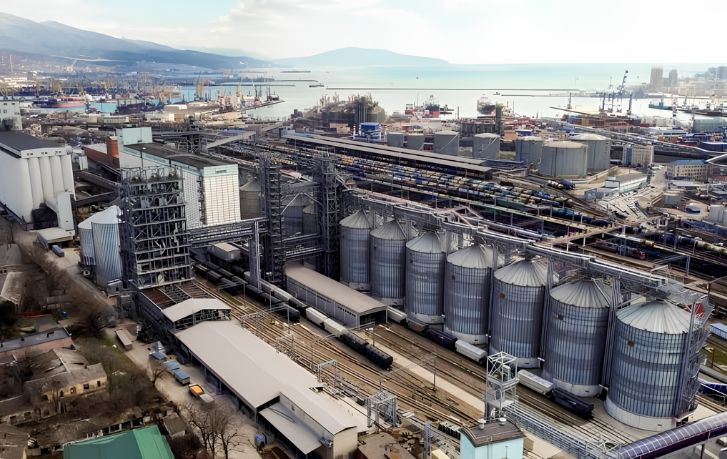
Even fully usable refinery output has to move through storage, rail, road, pipeline and wholesale networks before it reaches motorists. Novak’s reference to logistics matters because the country’s scale creates a second recovery problem: additional fuel may be produced far from the regions experiencing the tightest supply, while inventories and transport capacity determine how quickly that imbalance can be corrected.
The uneven geography of shortages is consistent with that distribution constraint. Conditions can improve in one region while deteriorating elsewhere, meaning national production gains may not translate immediately into fuel at every pump. Retail recovery would require evidence such as fewer purchasing limits, shorter queues, replenished station inventories and sustained product deliveries not merely confirmation that refinery machinery has restarted.
Russia has used several buffers while domestic refining has been intermittently unavailable. Export restrictions preserve more locally produced fuel for the home market, and imports replace part of the missing supply. The Centre for Research on Energy and Clean Air reported that Russian oil-product imports reached 172,000 tonnes in August, more than seven times the previous monthly high since the full-scale invasion began. Supplies included gasoline from India and products from South Korea.
Imports can relieve local deficits, but they add transport time and cost and do not demonstrate that domestic processing has recovered. Likewise, keeping diesel and gasoline from export markets can support Russian consumers while transferring part of the shortage abroad. Russian diesel and gasoil exports have fallen to their lowest level in many years, with reduced Russian volumes adding pressure to an already tight international middle-distillate market.
Repeated disruption complicates industrial recovery
The broader reliability issue is not limited to one repair cycle. The IEA says Ukrainian drone attacks intensified over the previous 18 months and that Russian refinery throughput is likely to struggle to recover meaningfully while disruptions continue. This places simultaneous demands on repair crews, replacement equipment, maintenance planning and protective resources across a geographically dispersed industrial system.
From a manufacturing perspective, accelerated repairs and deferred maintenance can return output faster, but they also compress the time available for planned inspection and overhaul. The IEA notes that Russian refiners have delayed scheduled maintenance, returned mothballed units to service and accelerated repairs. It says the cumulative effect of repeated damage-and-repair cycles on reliability remains uncertain.
There is also a readiness tradeoff. A drone campaign reaching facilities deep inside Russia forces authorities and operators to divide protective attention across a large refinery network. That does not establish how any individual plant is defended or what caused a specific outage, but it does raise the industrial burden of keeping production stable while repairs continue elsewhere.
The next meaningful milestone is therefore measurable delivery, not a restart announcement. Until Russia identifies how much usable gasoline and diesel capacity has returned and retail indicators show that fuel is consistently reaching stations the repaired refineries represent partial mechanical recovery, not proof that the supply crisis has ended.
| More aerospace and engineering stories, right in your MSN feed. Follow AMI on MSN |
By Stephen Wallace — Editor for AMI’s aerospace integration and unmanned mobility coverage, focused on drone manufacturing, VTOL systems, autonomous networks, and air-ground mobility links.