USS John F. Kennedy Enters Navy Testing, but Delivery Work Continues
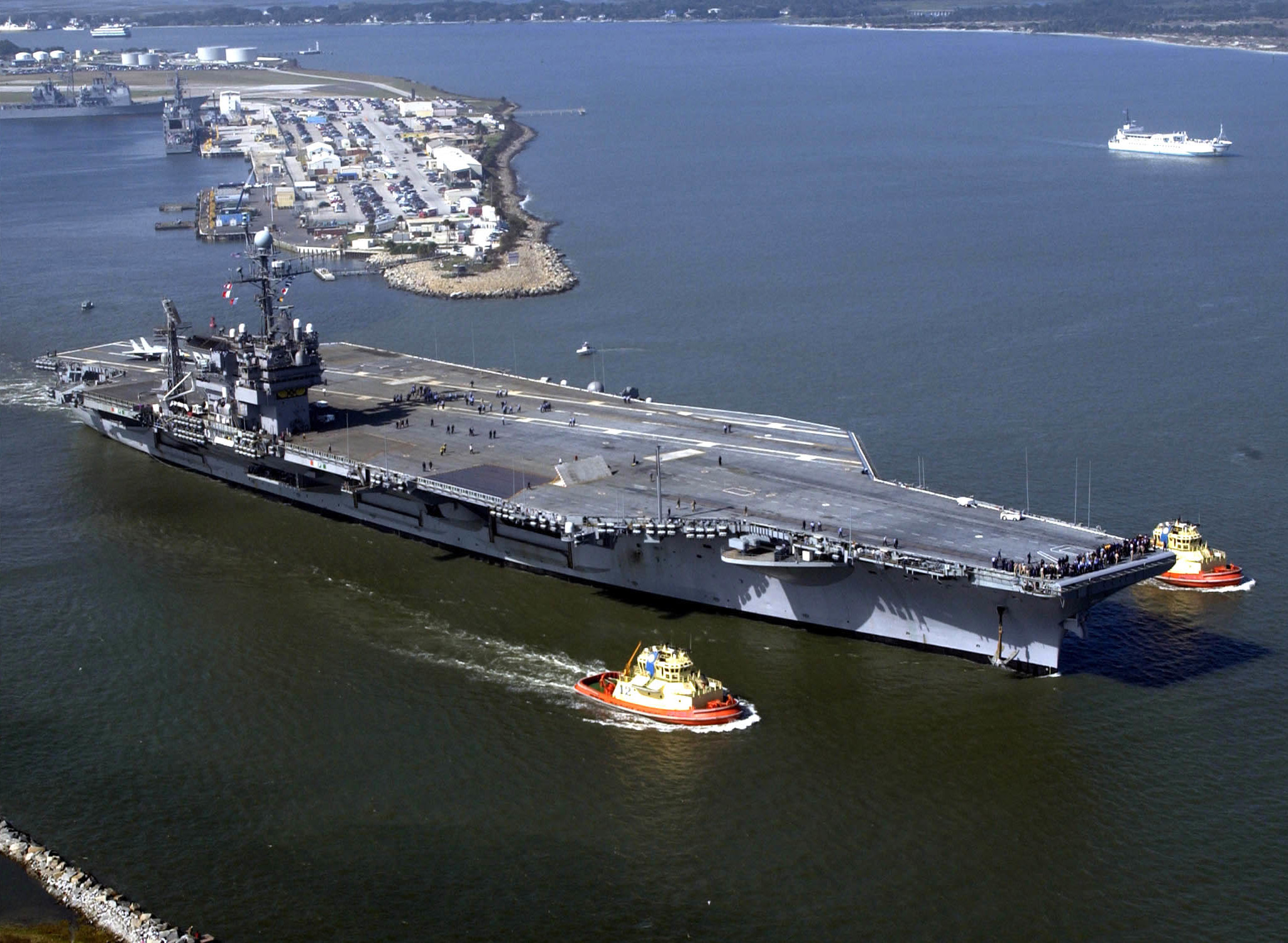
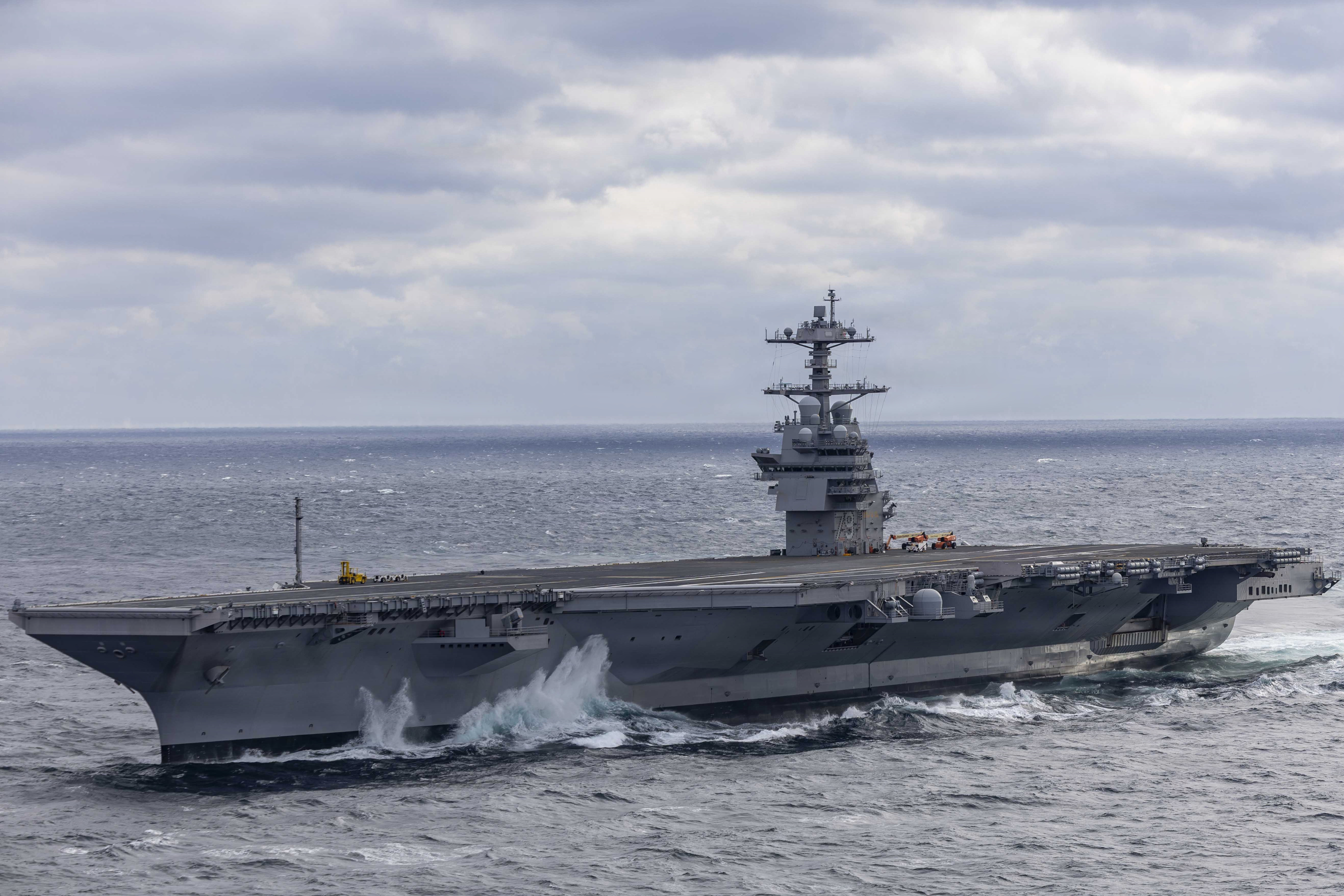
The U.S. Navy took preliminary acceptance of the future USS John F. Kennedy on Sept. 29, 2026, after the aircraft carrier completed acceptance trials in August. The approximately 99%-complete ship then departed HII’s Newport News Shipbuilding division for Naval Station Norfolk, marking a shift from predominantly shipyard-centered construction to broader Navy evaluation, according to the Navy’s official announcement.

That acceptance lets the carrier and its crew conduct at-sea testing and build underway proficiency, but it is not formal delivery or operational readiness. Newport News Shipbuilding must continue final systems testing including work on the remaining four Advanced Weapons Elevators while additional certification, crew qualification and aviation integration remain ahead of the planned spring 2027 delivery.
The distinction matters because a nearly complete aircraft carrier is not the same thing as one available for fleet operations. Preliminary acceptance gives sailors greater access to the ship as an integrated platform and permits more training outside the shipyard environment. It also allows testing and construction to overlap during the final phase rather than keeping the carrier tied exclusively to a conventional shipyard handoff sequence.
The Navy said all major systems are complete, but the remaining work still touches functions central to how a Ford-class carrier is intended to operate. Kennedy incorporates the Electromagnetic Aircraft Launch System, Advanced Arresting Gear, electrically driven weapons elevators, a reconfigured flight deck and an all-electric architecture. Those systems are designed to improve aircraft and weapons movement, support higher sortie generation, reduce manpower requirements and leave greater electrical capacity for future equipment.
Four elevators remain a visible delivery boundary
The unfinished Advanced Weapons Elevator work provides the clearest measure of what preliminary acceptance does and does not mean. Seven of the carrier’s 11 elevators had been delivered by its August trials, leaving four for final testing. The elevators move ordnance between the ship’s magazines and flight deck as part of the class’s redesigned weapons-handling process.
At this stage, the issue is not simply whether individual components can move. Final ship-system testing must establish that equipment performs as required within the carrier’s larger electrical, control and operating environment. That integrated qualification burden helps explain why the Navy can accept access to a ship for training and evaluation without declaring the vessel formally delivered.
Kennedy completed four days of acceptance trials on Aug. 15, when the Navy described construction as about 98% complete. Those trials were an important assessment milestone, but the subsequent rise to approximately 99% illustrates the limits of completion percentages on a ship of this scale. The carrier is about 1,092 feet long and displaces approximately 100,000 tons; the final percentage covers testing, documentation, qualifications and system closeout across a highly integrated nuclear-powered vessel.
The new arrangement also moves more of the learning process to the crew. Underway proficiency cannot be built entirely at the pier: sailors must operate the ship, coordinate its systems and develop repeatable routines at sea. Preliminary acceptance creates room for that work while the builder closes remaining items, but successful training does not substitute for the construction and certification steps required for delivery.
A second Ford-class carrier, but not yet a fleet asset
John F. Kennedy is the second Gerald R. Ford-class nuclear-powered aircraft carrier. The lead ship, USS Gerald R. Ford, completed a 326-day deployment before entering scheduled maintenance in July 2026. Once Kennedy enters service, a second carrier of the class could give the Navy more flexibility across deployment, training and maintenance cycles.
That prospective benefit remains bounded by the current status. Kennedy is unavailable for operations, and preliminary acceptance should be read as controlled access to accelerate evaluation and crew development not as an early declaration of combat readiness. The Navy and shipbuilder still have to complete the remaining construction, system tests and qualifications before the carrier formally joins the fleet.
Spring 2027 is therefore the next decisive marker. Until formal delivery, Kennedy’s progress will be measured less by its departure from Newport News than by whether its final systems including all 11 weapons elevators complete testing while the crew turns a nearly finished ship into a qualified operating platform.
| More aerospace and engineering stories, right in your MSN feed. Follow AMI on MSN |
By David Whitaker — Associate editor for AMI’s aerospace and drone systems desk, translating flight systems, aircraft programs, spaceflight, and UAV developments into accessible technical stories.