Germany Plans 1,000 Interceptors for Jet-Powered Shahed Drones, Timing Undisclosed
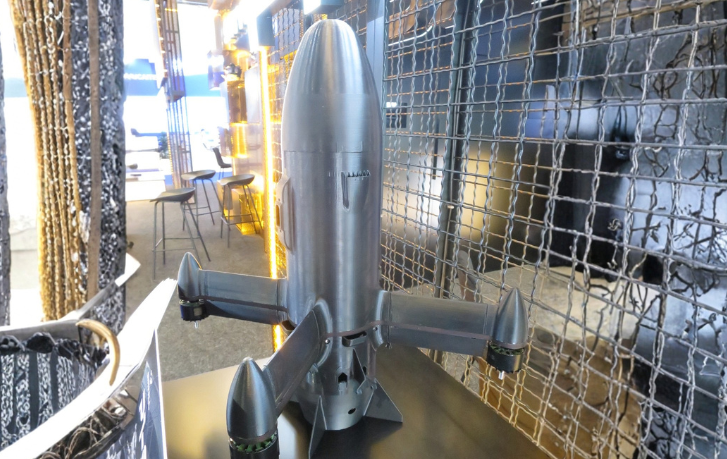
One thousand is the headline number, but it is not yet a delivery count. German government officials said Germany plans to provide Ukraine with 1,000 newly developed interceptor systems intended to stop jet-powered Shahed drones. The plan disclosed during Chancellor Friedrich Merz’s Oct. 4 visit to Kyiv was described as a rapid supply commitment, although no delivery schedule was provided.

The proposed scale could add a substantial new layer to Ukraine’s defenses as attacks continue against utilities and transport links. It cannot yet be translated into operational readiness, however. The interceptor model, manufacturer, contract status, unit cost, production rate and performance evidence have not been disclosed. Germany also has not said whether the figure represents complete systems already being manufactured, planned production, or capacity dependent on future industrial work.
Quantity alone does not establish available capacity
A commitment for 1,000 systems is more concrete than a general promise to fund counter-drone development, but readiness depends on when usable equipment reaches its operator. A production program delivering a small number each month has a different near-term effect from one supported by an established serial assembly line. Without a starting date, monthly output or completion target, the stated quantity describes intended scale rather than available defensive capacity.
The word “systems” also leaves an important scope question unresolved. It is not clear whether each system is one interceptor, a reusable platform, or a broader equipment set. That distinction matters when assessing how many engagements the supply could support and what additional equipment, training or maintenance would be required. No conclusion about those points is possible from the announced figure.
Germany announced the interceptor plan within a broader package reported at more than €1.3 billion, including about €1 billion in military assistance and approximately €350 million for energy support. The military portion covers several areas, including air defense, drones and satellite technologies. That package value does not reveal the cost of the 1,000 interceptors because no system-specific allocation or unit price was identified.
Production evidence is the next industrial test
The presence of German economic officials and 10 executives and senior industrialists from the defense-manufacturing and commercial energy sectors indicates that industrial cooperation was part of the Kyiv discussions. The two countries also announced counter-drone cooperation and funding for joint production. Those steps can support manufacturing, but they do not by themselves establish that engines, electronics, airframes and other production inputs are available at the rate needed for an expedited delivery.
For a newly developed unmanned system, production maturity is separate from design maturity. A prototype can demonstrate the intended function without proving that suppliers can repeat its performance across hundreds of units. At this scale, meaningful public indicators would include an identified production line, a contracted quantity, an output target and an acceptance process. None was disclosed for this 1,000-system plan.
The manufacturer and model are also unconfirmed. Separate reporting has discussed German support for jointly produced interceptors and possible links to Ukraine’s Bars platform, but that does not establish that Bars is the system covered by this particular commitment. Treating a likely candidate as the confirmed model would attach specifications and performance claims to an unidentified procurement plan.
Effectiveness needs a defined basis
The stated mission is unusually specific: intercepting jet-powered Shahed drones. That mission description signals an effort to address a faster class of attack drone, but it does not provide test conditions, interception results, reliability data or acceptance criteria. No disclosed evidence establishes how the planned system performs across different operating conditions or how consistently manufactured units reproduce development-test results.
Those gaps do not make the commitment insignificant. A four-digit procurement objective can give manufacturers a demand signal and justify investment in tooling, suppliers and serial production. It may also help reserve more costly air-defense resources for other threats if the interceptors perform as intended. That remains a prospective benefit, not a demonstrated outcome.
The next meaningful milestone is therefore not another total announced on paper. It is confirmation of the system being purchased, the contractual and production status behind the 1,000-unit figure, and a dated delivery sequence supported by performance evidence. Until those details emerge, Germany’s plan establishes ambition and intended scale but not how soon the promised defensive capacity will arrive.
| More aerospace and engineering stories, right in your MSN feed. Follow AMI on MSN |
By Stephen Wallace — Editor for AMI’s aerospace integration and unmanned mobility coverage, focused on drone manufacturing, VTOL systems, autonomous networks, and air-ground mobility links.