

Airbus Plans A320 Successor at 100 Jets Monthly Despite Current Delays
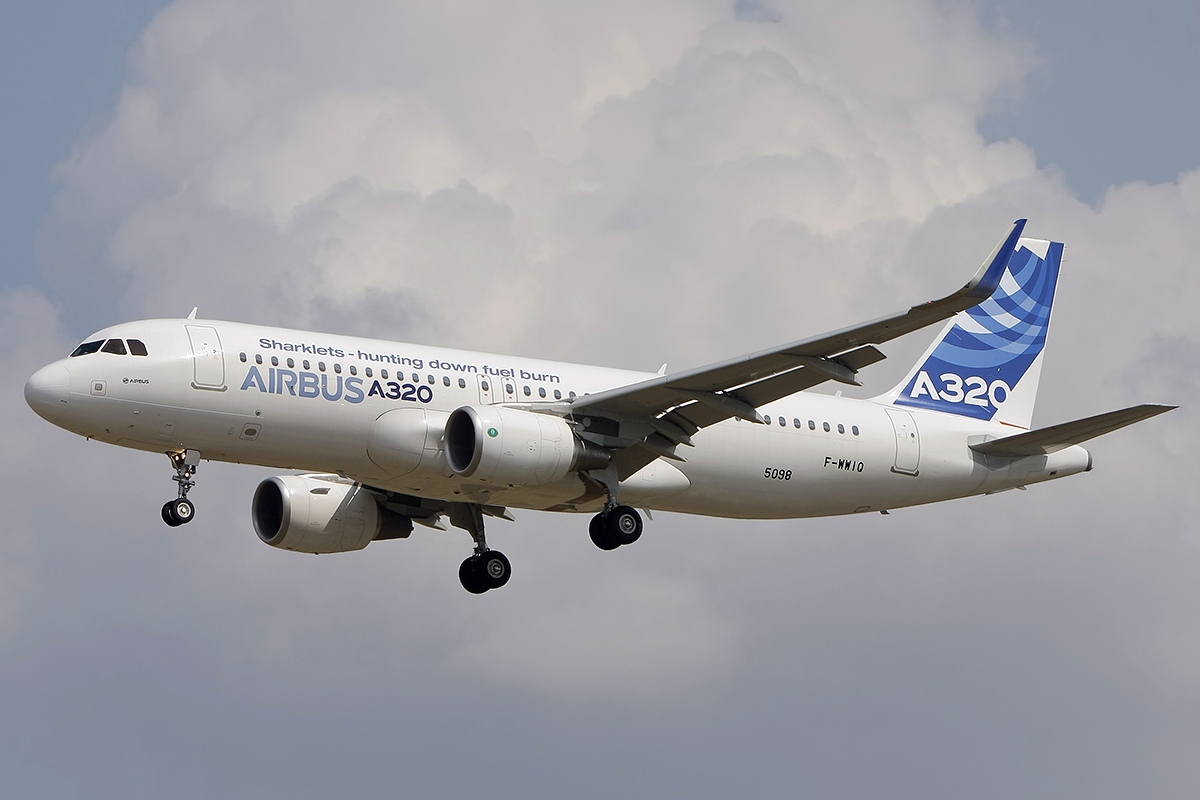
Airbus is planning its next A320-class aircraft and the factories behind it around production of approximately 100 jets per month. Yet the company is still contending with engine and supply constraints that have delayed its existing goal of 75 A320-family aircraft per month. The contrast puts the industrial system, not merely the future aircraft’s configuration, at the center of the program.

A sustained rate of 100 aircraft per month would equal 1,200 jets annually. It would also be about one-third higher than the current 75-per-month objective, which Airbus now expects to reach only after A320-family production rises to between 70 and 75 aircraft per month by the end of 2027. The proposed successor is targeted to enter service in the second half of the 2030s, so the higher rate remains a planning assumption rather than approved or demonstrated capacity.
Current engine shortages define the challenge
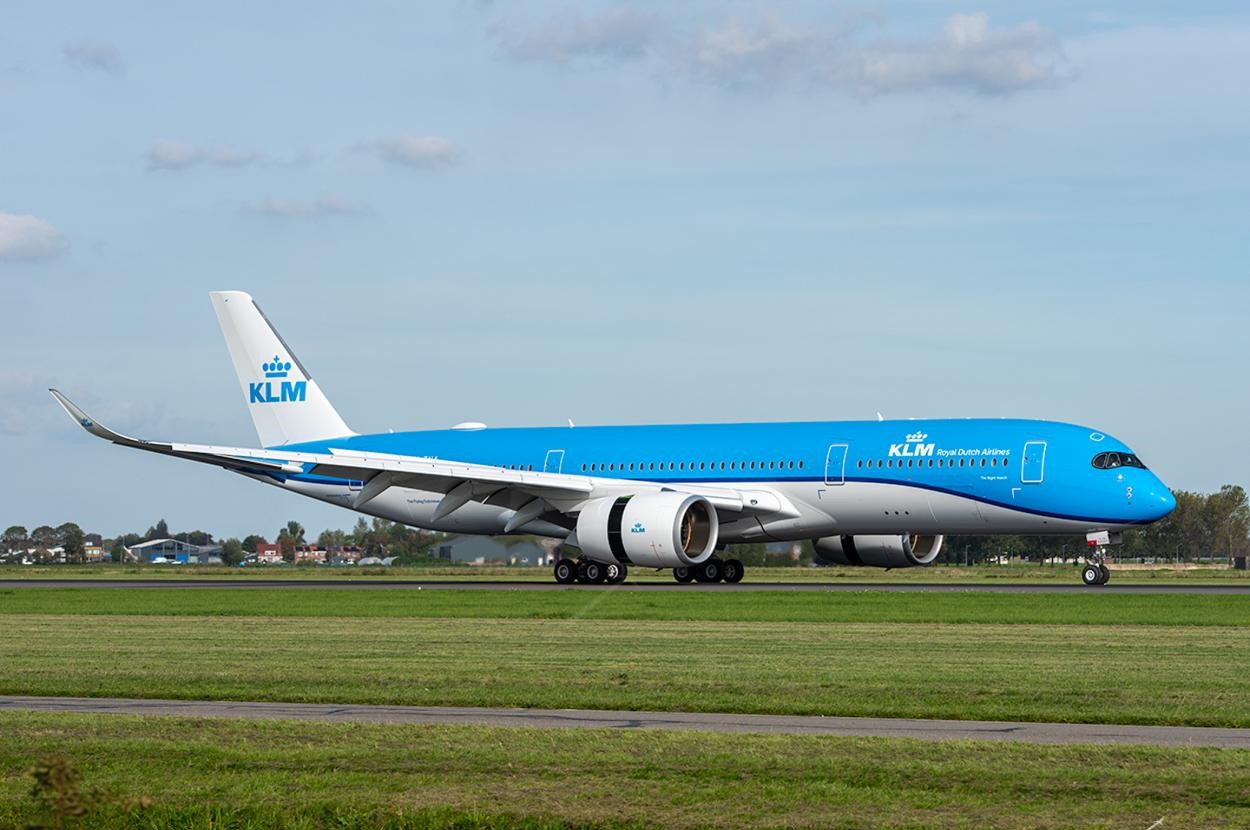
Airbus already operates 10 A320-family final assembly lines across Toulouse, Hamburg, Mobile and Tianjin. A second modernized line in Toulouse opened in June, expanding the physical network available for the current family. But final assembly is only the visible end of a much longer production chain.
Pratt & Whitney engine availability has been one of the principal constraints affecting production expectations for 2026 and 2027. Repeated delays to the existing ramp illustrate a basic systems-integration problem: additional factory positions cannot produce finished aircraft unless engines, structures, avionics, cabin equipment and other components arrive at the required rate and quality.
At 100 aircraft per month, that dependency becomes more consequential. Airbus would need suppliers to expand capacity while maintaining conformity, traceability and delivery stability. The practical requirement is therefore broader than constructing more assembly lines. The company would need an industrial network capable of absorbing disruptions without allowing one constrained component to determine output for the entire program.
Faster testing cannot mean less certification evidence
Development speed is the other side of the production objective. According to Aviation Week’s account of Airbus’s testing strategy, the manufacturer wants to halve testing lead times by conducting more assessments virtually and earlier in development. Flight testing would increasingly confirm results already established through simulation, digital models and ground tests.
That does not mean Airbus expects certification authorities to accept less evidence. Aircraft systems are becoming more complex, while certification requirements are expected to become stricter. The intended change is in how evidence is developed and validated: engineers would use digital and physical testing together to identify maturity problems before the aircraft reaches its flight-test campaign.
This distinction matters because a compressed test schedule must still account for interactions among structures, propulsion, electrical power, avionics and flight controls. Digital models can help engineers examine more conditions earlier, but those models must themselves be supported and correlated by physical results. Flight testing remains decisive; the proposed efficiency comes from arriving at that stage with a more mature design, not from treating simulation as an automatic substitute for demonstration.
The aircraft itself is not yet fixed
Airbus is targeting a 20% to 30% fuel-efficiency improvement for the successor, but it has not selected the final configuration. Its research includes the X-Wing demonstrator, a modified Cessna Citation VII used to study a high-aspect-ratio wing and folding wingtips. Airbus and CFM International are also preparing open-fan engine flight tests using an A380 demonstrator.
Neither research effort establishes what will enter airline service. Airbus has not committed to open-fan propulsion, and demonstrator hardware is intended to generate engineering data rather than announce a production design. Propulsion selection, wing architecture, airport compatibility, maintenance needs and manufacturability will have to be resolved as one integrated aircraft and production system.
The 100-per-month objective raises the cost of choices that are difficult to manufacture or inspect consistently. A design can offer aerodynamic or fuel-burn advantages while introducing tooling, supplier or assembly demands that complicate a rapid ramp. Designing for production therefore has to begin before the configuration is frozen, particularly when the intended output exceeds a rate Airbus has not yet sustained with its established A320 family.
Key program decisions are expected near the end of the decade. By then, Airbus will need more than promising demonstrator results: it will need a credible path connecting the aircraft design, certification evidence, supplier capacity and factory system. Its progress toward 75 current-generation jets per month will provide the clearest real-world test of whether a future rate of 100 is industrially achievable.
| More aerospace and engineering stories, right in your MSN feed. Follow AMI on MSN |
By Thomas Caldwell — AMI’s senior editor for mechanical and mobility engineering, covering vehicle electronics, systems integration, electrification, chassis systems, propulsion, and safety policy.